Pomegra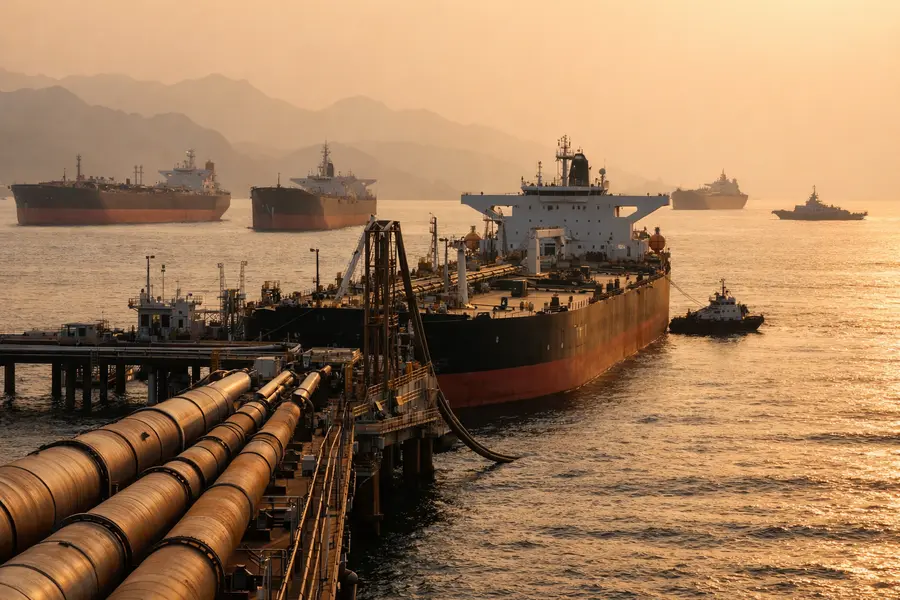
The U.S.-Israel-Iran conflict has sealed the Strait of Hormuz and shuttered the East-West Crude Oil Pipeline, triggering the largest energy supply disruption in history and halting 31% of global oil shipments.
- Brent crude is trading near $70 a barrel as coordinated strategic reserve releases and demand destruction offset record supply losses.
- The Strait of Hormuz closure has cut approximately 17 million barrels per day from global supply; the East-West Crude Oil Pipeline halt on September 11 eliminated the primary overland bypass.
- The conflict has disrupted 39% of global trade flows and 31% of global oil shipments, surpassing every prior energy crisis in scale.
What Happened
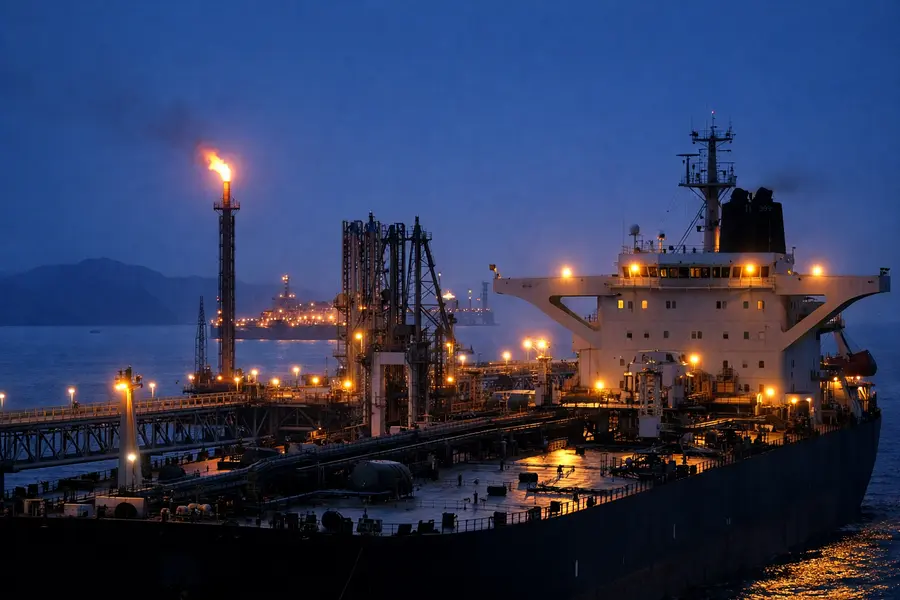
Brent crude settled near $70 a barrel on September 27, 2026, stabilizing after weeks of violent intraday swings as U.S. and allied military operations maintained an effective seal on the Strait of Hormuz. The closure has halted the movement of approximately 17 million barrels of crude oil per day - roughly one-sixth of global daily consumption - that would normally transit the waterway.
The disruption reached a new threshold on September 11, when Saudi Arabia shuttered the East-West Crude Oil Pipeline, the 1,200-kilometer overland corridor that had long served as the region's critical contingency bypass. The simultaneous closure of both the maritime strait and the pipeline has eliminated the two dominant arteries through which Persian Gulf crude reaches global markets. Combined with cascading effects on container shipping, commodities transport, and trade finance, the conflict has disrupted 39% of global trade flows and 31% of global shipments - figures that place the current episode beyond the 1973 Arab oil embargo, the 1979 Iranian Revolution shock, and the 1990 Gulf War disruption in combined scale.
Why Is Crude Oil Near $70 Despite Record Supply Losses?
Two powerful offsetting forces have compressed what would otherwise be a far sharper price move. Demand destruction has erased an estimated 4-6 million barrels per day of global consumption as manufacturing contractions spread across Europe, East Asia, and the United States, with the sharpest declines in energy-intensive export-oriented industries. Simultaneously, the International Energy Agency authorized its largest strategic petroleum reserve release on record, injecting roughly 180 million barrels into the market over 30 days to cap the physical shortage. The result is a crude oil price that, while elevated against pre-conflict levels, reflects a market simultaneously absorbing catastrophic supply loss and an economic slowdown with few modern parallels. Shipping insurance suspensions and tanker route repricing - rates on operable corridors have surged 600-800% - have further suppressed visible demand.
How Has This Affected Global Financial Markets?
Equity markets have repriced sharply across major sessions. The S&P 500, tracked through funds such as SPY, has declined approximately 18% since hostilities escalated. The semiconductor sector has faced severe pressure - SOXL, a leveraged benchmark for chip-sector exposure, has fallen amid industrial demand collapse and supply-chain disruption through affected shipping lanes. Gold (GLD) has rallied to record nominal highs as institutional allocators rotate into safe-haven assets.
Sovereign credit spreads have widened materially across energy-importing economies in South and Southeast Asia, where import bills denominated in dollars have swelled against weakened local currencies. For India, South Korea, Japan, and Pakistan - which collectively import more than 9 million barrels per day from Gulf sources - the disruption has created acute balance-of-payments pressure in a tight-dollar environment.
What Are the Structural Implications for Energy Supply?
The closure has reframed a set of assumptions that have underpinned global energy investment for five decades. Gulf producers - Saudi Arabia, the UAE, Kuwait, and Iraq - account for 35-40% of the world's proven oil reserves and have historically been treated as a reliable foundation for long-run supply projections. An extended Hormuz closure fundamentally revises that assumption.
Pipeline diversification projects previously considered expensive and politically constrained - overland routes through Turkey, the Caucasus, and Central Asia - have moved to emergency procurement review in Brussels, Beijing, and Tokyo. LNG terminal expansions across Europe and Northeast Asia are being fast-tracked at a pace comparable to the post-2022 European energy buildout. Strategic reserve policy frameworks are being redesigned in at least a dozen major importing nations.
The September 11 East-West Crude Oil Pipeline halt adds a structural layer independent of the military conflict: even partial diplomatic progress on Hormuz transit rights may not immediately restore the overland bypass, given the physical, contractual, and political complexity of restarting a 1,200-kilometer system under active wartime conditions.
Outlook
The duration of the Strait closure remains the single most consequential variable for global energy markets. Each additional week without a negotiated shipping corridor depletes the strategic reserve buffer that has contained crude prices and prolongs the industrial demand contraction. If hostilities extend beyond 60 days, the reserve cushion narrows sharply and the price floor rises regardless of demand conditions.
The convergence of the Hormuz blockade and the East-West pipeline shutdown has, within weeks, produced the largest energy supply disruption on record. For institutional investors, policymakers, and supply-chain operators, the twin closures have drawn a hard line between pre-conflict assumptions about energy security and the structural realities that will govern investment, trade architecture, and geopolitical alignment in the years ahead.
Mentioned tickers: SPY, GLD, SOXL