Pomegra
Microsoft's $190B AI capex plan for 2026 erased roughly 15% of MSFT's value as investors debate when infrastructure outlays will match revenue returns.
- Microsoft's 2026 capex of $190B exceeded analyst consensus by ~$35B, with Q4 spend guided above $40B
- MSFT shares have shed roughly 15% year-to-date, touching their lowest earnings multiple in three years
- Azure AI revenue tracks at a $13B annual run rate, but quarterly free cash flow contracted 10%
Lead
Microsoft (MSFT) is confronting the defining tension of the current AI investment cycle: quarterly capital expenditures now regularly exceed $31 billion, yet free cash flow contracted 10% last quarter as the company's $190 billion annual infrastructure commitment outpaces near-term monetization. Shares have dropped roughly 15% in 2026, underperforming the broader market even as Azure recorded 40% year-over-year growth in the March quarter — making Microsoft AI investment ROI the central question for institutional investors heading into fiscal Q4 earnings.What Happened
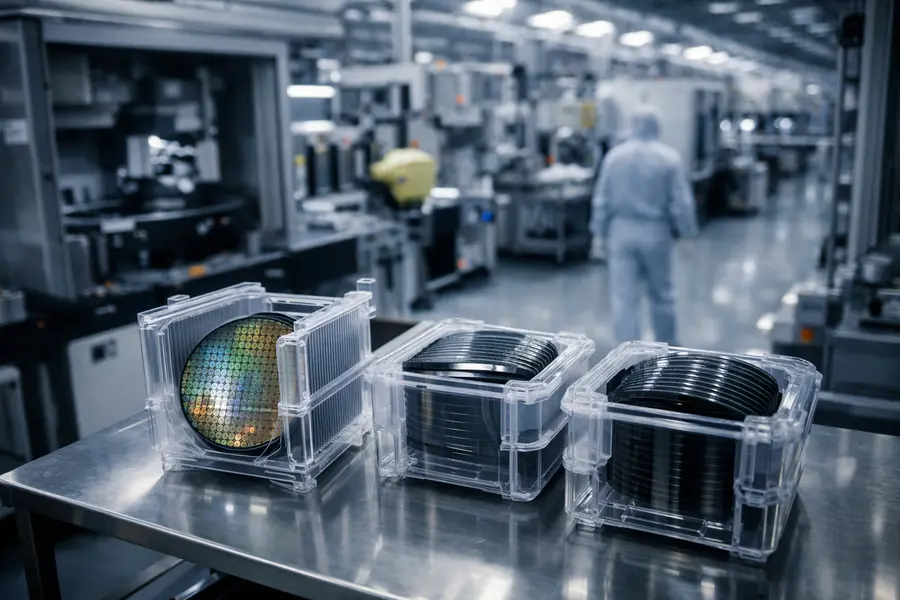
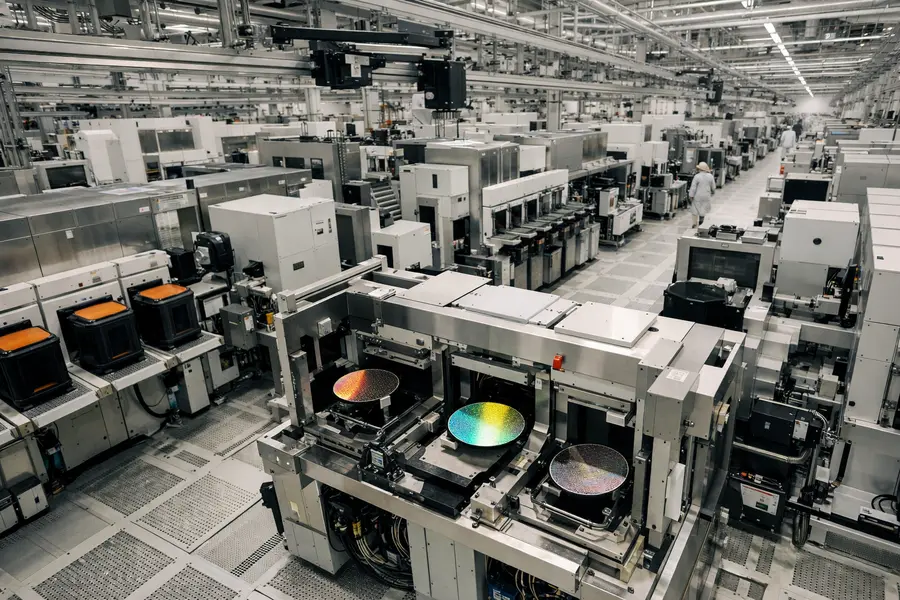
Microsoft disclosed its full-year 2026 capital expenditure trajectory in late April, revealing plans to spend approximately $190 billion on data centers, GPUs, and AI infrastructure — a 61% increase from fiscal 2025 and roughly $35 billion above the analyst consensus of $154.6 billion. The company spent $31.9 billion on capital expenditures and finance leases in fiscal Q3 alone, up 49% year-over-year, with roughly two-thirds of that directed at short-lived assets including GPU and CPU arrays. Management guided MSFT quarterly capex above $40 billion for Q4, with approximately $5 billion of the sequential increase attributable to elevated component pricing.
For the first six months of fiscal 2026, capital expenditures reached $72.4 billion — already approaching the $88.2 billion deployed across all of fiscal 2025. The pace represents the most aggressive infrastructure buildout in the company's history.
Market Reaction
The disclosure reignited what has become the central debate in tech earnings scrutiny: whether hyperscale AI spending will yield commensurate returns before margin pressure becomes structurally damaging. MSFT shares, which hit a one-year low in late June, now carry a price-to-earnings multiple of approximately 21.8 times — the lowest level in three years — reflecting a market that has shifted from pricing imminent AI revenue to pricing a three-to-five-year infrastructure cycle with compressed near-term free cash flow.
A shareholder class action alleging the company misled investors about the financial strain of AI investments on the Azure cloud business and the underperformance of Copilot products has added legal overhang to an already-cautious sentiment backdrop.
Strategic Context
The revenue side of the ledger carries substance. Microsoft reported Q3 fiscal 2026 total revenue of $82.9 billion, up 18% year-over-year, with Azure and other cloud services growing 40%. AI services are generating approximately $13 billion in annualized revenue. Microsoft Cloud revenues crossed $50 billion for the first time in Q2. Copilot Studio has drawn 160,000 organizations that collectively built more than 400,000 custom AI agents in three months.
The challenge is pacing. Enterprise Copilot seat adoption is advancing more slowly than initial projections, and converting pilots into tens of millions of paid seats requires change-management cycles that extend beyond fiscal quarters. The broader AI outlook for enterprise software monetization remains intact but long-dated.
A concentration risk also commands attention: roughly 45% of Microsoft's $627 billion commercial backlog is tied to OpenAI, a single customer that has signaled plans to diversify its cloud footprint.
What Comes Next
Microsoft's fiscal Q4 2026 earnings, expected in late July, will serve as the next significant data point. The pivotal metric is whether Azure AI demand growth — as distinct from overall Azure — can absorb the accelerating capex without further compressing margins. Analyst consensus calls for Azure growth in the low-to-mid 40% range. Any deceleration would intensify questions about the return timeline on what is now the largest capital deployment in the company's history.
Outlook
Microsoft's $190 billion infrastructure commitment reflects a calculated wager that AI infrastructure built now will underpin cloud and enterprise software revenues for the coming decade. The near-term cost is measurable — contracted free cash flow, a depressed valuation multiple, and intensifying investor scrutiny. The payoff horizon, however, remains contested. Quarterly earnings will determine whether the market's patience holds or whether the discount widens further ahead of what management describes as an inflection in agentic AI revenue.