Pomegra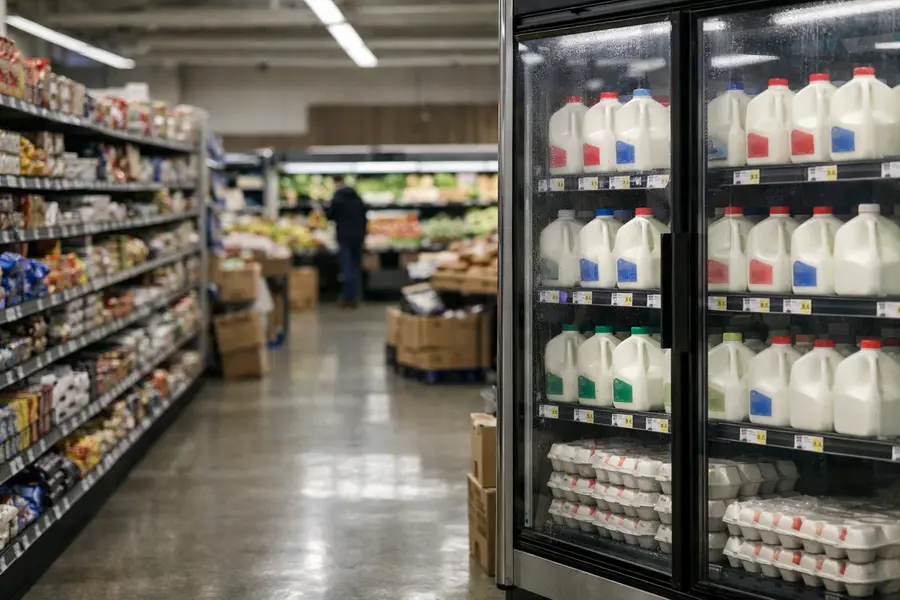
The July 2026 CPI report showed annual inflation easing to 3.4% as grocery prices moderated and a flat PPI cleared the path for a Fed hold in September.
- July headline CPI rose just 0.1% month-over-month, with the annual rate easing to 3.4% from June's 3.5%.
- July PPI came in flat month-over-month, below the 0.2% consensus, as energy prices continued to retreat.
- Futures markets now price a 64% probability the Federal Reserve holds rates at its September 16 meeting.
Lead
Consumer prices in the United States rose 3.4% in the twelve months through July 2026, the Bureau of Labor Statistics reported on August 12, as easing energy costs and moderating grocery prices produced back-to-back cool readings that all but cement a Federal Reserve hold at its September 16 policy meeting. The month-over-month gain was a slim 0.1%, reinforcing a deceleration from the 4.2% annual peak reached in May during the oil-price spike triggered by U.S.-Iran hostilities.
What Happened
The July CPI report extended a two-month cooling trend that began as global energy markets stabilised following the initial shock from military conflict with Iran. Headline inflation fell 0.1 percentage point from June's 3.5% annual pace, while core CPI — which excludes food and energy — eased to 2.5% annually, also down 0.1 percentage point.
Grocery prices, measured as food at home, rose 2.7% year-over-year, a meaningful deceleration from the more acute pressures of 2022 and 2023. Within that category, meats, poultry, fish, and eggs increased 1.9% over twelve months, while dairy prices slipped 0.5%. Egg prices, which spiked sharply in prior cycles, have normalised. Produce costs were weighed down partly by softer consumer demand tied to cyclospora outbreak concerns affecting lettuce — a development that exerted downward pressure on the broader fruits and vegetables index.One day after the CPI release, the Bureau of Labor Statistics reported that the Producer Price Index was flat month-over-month in July — below market expectations of a 0.2% gain and a significant deceleration from June. On an annual basis, PPI advanced 4.7%, slowing from June's 5.5%. Core PPI excluding food and energy rose 0.2% month-over-month, below the roughly 0.3% consensus, with the annual core measure easing to 4.2% from 4.7%. The headline flatness was driven primarily by retreating energy and food input costs; a narrower measure stripping out food, energy, and trade services rose 0.4% on the month, lifted by a 6.5% surge in portfolio management fees — a component that tends to be volatile and mean-reverting.
Market Reaction
Federal funds futures shifted decisively after the paired releases. Traders now assign a 64% probability that the Fed keeps its benchmark rate at 3.50%–3.75% at the September 16 meeting, up from 52% before the CPI print. Treasury yields edged lower as investors pared back bets on further tightening, while equities absorbed the data with modest gains. The dollar softened slightly on reduced rate-hike expectations, and inflation-linked securities reflected market confidence that the post-Iran energy shock is largely behind the economy.
Strategic Context
The Federal Reserve held rates at 3.50%–3.75% in a 9-to-3 vote on July 29, with Fed Chair Kevin Warsh declining to characterise the decision as a pause. Three dissenting members judged that additional tightening remained warranted, signalling that the committee is not uniformly convinced the disinflation trend is durable.
Wage growth running at 3.2% annually — below the current 3.4% headline CPI rate — means real wages remain compressed, sustaining demand-side pressure even as supply-side costs moderate. Treasury Secretary Scott Bessent has publicly indicated he expects the Fed to cut rates before year-end, a view now more aligned with market pricing following the July data.
The September 16 FOMC meeting is one of four annually accompanied by updated economic projections and the interest rate dot plot, which will provide the most detailed public view of where policymakers expect rates to land through 2027.
What Comes Next
The single most consequential data release before the September decision arrives on August 26, when the Bureau of Economic Analysis publishes the core Personal Consumption Expenditures price index for July — the Fed's preferred inflation gauge. The 0.4% monthly surge in the trade-services-heavy PPI core measure injects some upside risk into that reading, as portfolio management fees flow directly into the PCE calculation.
Consumer resilience will also be tested: with wages trailing inflation, household purchasing power remains under pressure even as the pace of price increases moderates. A sustained deceleration in shelter costs — which account for a large share of core CPI and have remained sticky — would meaningfully accelerate the return toward the Fed's 2% target.
Outlook
July's paired CPI report and PPI readings confirm that the inflation surge triggered by the Iran conflict has substantially reversed, but price growth at 3.4% remains materially above the Fed's 2% objective. The September 16 meeting carries heightened significance: the updated dot plot will signal whether the committee views the current rate as its peak or whether the three dissenting hawks are gaining ground. The August 26 core PCE release stands as the deciding input before that decision.