Pomegra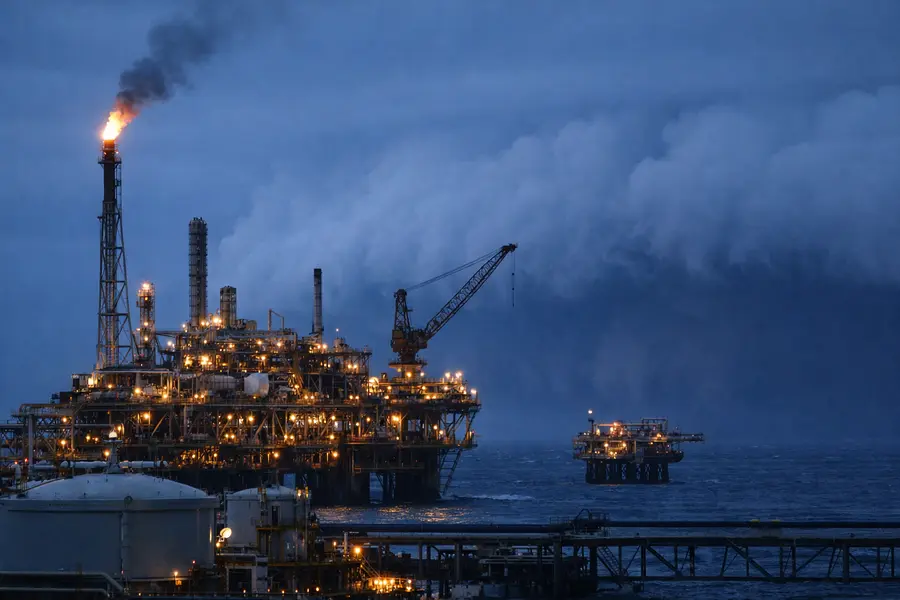
A Gulf of Mexico storm is set to become 2026's first Atlantic hurricane, putting about 15% of U.S. crude output at risk as Brent holds near $101 a barrel.
- Tropical Depression Nine is forecast to become the first Atlantic hurricane of 2026 within about two days.
- Offshore areas in its path produce 15% of U.S. crude and 5% of natural gas, and six refineries are exposed.
- Brent rose to about $101.5 a barrel and WTI to about $90 on Wednesday, with Saudi attack risks adding to supply worries.
Lead
A storm in the Gulf of Mexico is expected to strengthen into the first Atlantic hurricane of 2026 within days, a threat to offshore energy infrastructure that supplies roughly 15% of U.S. crude oil and 5% of natural gas. Brent crude futures rose about 0.9% to $101.51 a barrel on Wednesday, October 7, while U.S. West Texas Intermediate gained a similar margin to $90.25. The storm adds a domestic supply risk to a market already strained by attacks on Saudi Arabia and elevated shipping costs from the Persian Gulf.
What Is the Storm Forecast to Do?
Tropical Depression Nine is forecast to intensify rapidly over warm Gulf waters and reach hurricane strength by Thursday. The system had maximum sustained winds of 35 mph early Wednesday and was moving east at about 5 mph. It is expected to be named Isaias once it reaches tropical storm strength.
The forecast track takes the storm north of Mexico's Yucatan Peninsula on Thursday, then toward the northern Gulf Coast on Friday. Landfall could fall anywhere from Louisiana to the Florida Panhandle, and the National Hurricane Center expects a dangerous hurricane at landfall, possibly Category 2. The 2026 Atlantic season has been unusually quiet, partly because of strong wind shear. Warm Gulf waters could allow brief rapid intensification before the system meets less favorable conditions near the coast.
How Much U.S. Oil Production Is Exposed?
Offshore areas in the storm's expected path account for about 15% of U.S. crude production and 5% of natural gas output. Gulf Coast refineries represent about half of the country's 18.2 million barrels per day of refining capacity, and six plants could be affected. They are operated by Shell (SHEL), Valero Energy (VLO), Marathon Petroleum (MPC), PBF Energy (PBF) and Chevron (CVX).
Operators have started precautionary steps. Chevron has begun moving nonessential workers off some offshore platforms, while production continued at normal levels. Past Gulf storms have led to wider shut-ins and evacuations as forecasts firmed, and the scale of any shutdown will depend on where the storm tracks.
Why Is the Crude Oil Price Rising?
The crude oil price is rising because the storm threatens both output and refining at a time when other supply routes are under pressure. Traders also face a Middle East risk premium. Houthi forces targeted airports in Jazan and Najran in Saudi Arabia on Monday evening, and Saudi-backed Yemeni forces have launched an offensive to retake territory from the Houthis. Saudi Arabia's East-West pipeline has reached 5.8 million barrels per day, which helps move crude away from the Persian Gulf.
Seaborne costs remain a constraint. Tanker freight out of the Persian Gulf reached a record of about $33 a barrel, and Brent held a premium of about $13.80 over WTI on October 6. That spread shows how much more expensive imported crude is than U.S. barrels. A prolonged outage in the U.S. Gulf would narrow it by lifting WTI relative to Brent.
U.S. inventory data point to a tight domestic balance. Crude stocks fell 2.09 million barrels in the week ended October 2.
What Comes Next for Oil Prices?
The path of the storm will decide whether the move in oil is brief or lasting. Market consensus holds that crude stays near $100 unless the Middle East de-escalates, and the hurricane adds a separate risk on top of that.
- Landfall west of the main production zone: Shut-ins would be shorter and the price effect smaller.
- A track through central Gulf platforms: Output disruption is likely. Refinery outages would pressure gasoline and diesel prices more than crude, because plants that stop buying crude reduce demand while product supply falls.
- Rapid weakening before landfall: Producers could restart operations within days, and the storm premium in prices would fade.
Natural gas faces its own exposure, since the 5% share of U.S. output is smaller but more concentrated in offshore fields.
Outlook
The storm is expected to reach hurricane strength by Thursday and approach the northern Gulf Coast on Friday, with 15% of U.S. crude output and six refineries in range. With Brent above $100 on Middle East attacks and record freight costs, the market has little spare capacity to absorb a major Gulf outage. Platform evacuations, shut-in estimates and the final landfall forecast over the next 48 hours will set the near-term direction for energy prices.
Mentioned tickers: SHEL, VLO, MPC, PBF, CVX