Pomegra
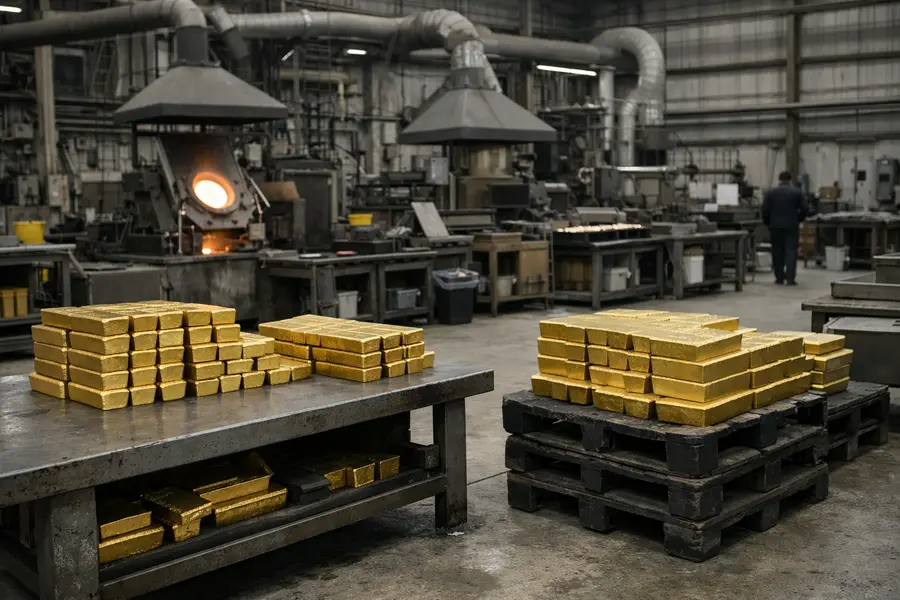
Gold slipped toward $4,000 an ounce on Oct. 27 as a firmer U.S. dollar and 5% Treasury yields weighed on bullion before Wednesday's Fed rate decision.
- Gold fell toward $4,000 an ounce on Oct. 27 as the dollar hit a near two-week high and Treasury yields stayed elevated.
- Futures price about a 90% chance the Fed holds at 3.75%-4.00% on Oct. 28, with roughly 82% odds of a December hike.
- Goldman Sachs trimmed its year-end gold forecast to $4,650 an ounce from $4,900.
Lead
Spot gold gave back its Monday rebound on Tuesday, sliding toward the $4,000 an ounce threshold as the dollar rose about 0.3% to a nearly two-week high. The 10-year Treasury yield held near 4.99%, close to the 5% level that has capped demand for non-yielding assets. Traders are positioned for the Federal Reserve to leave the fed rate unchanged on Wednesday at 2 p.m. EDT, while pricing further tightening before year-end.
What Happened to Gold Prices?
Gold fell back toward $4,000 after recovering above that level on Monday, when lower crude prices and Middle East diplomacy eased inflation concerns. The rebound followed steep losses last week, and Tuesday's retreat erased part of it. Silver, which traded above $54 an ounce on Monday, tracked the move lower.
Bullion is down sharply from its recent peak. The slide has been driven by a repricing of interest rates rather than any loss of safe-haven demand. Each rise in real yields increases the opportunity cost of holding a metal that pays no coupon.
Why Are a Stronger Dollar and Higher Yields Pressuring Gold?
A stronger dollar and higher yields pressure gold because bullion is priced in dollars and competes with interest-bearing assets. A firmer dollar makes the metal more expensive for buyers using other currencies, which dampens physical and investment demand.
Treasury yields are near multi-year highs. The 2-year yield stood at about 4.73%, the 10-year at 4.99% and the 30-year at 5.30%. The 2-year has closed between 4.70% and 4.82% in every session this month, signaling that markets expect policy to stay restrictive. At those levels, a risk-free government bond offers a return that gold cannot match without sustained price appreciation.
Energy prices are the link between geopolitics and the rate outlook. Brent crude traded near $116 a barrel and WTI near $102 earlier this week, keeping inflation pressure elevated. Diplomatic efforts involving Iran and regional powers cooled oil on Monday and helped gold, but crude remains high enough to sustain expectations of tighter policy.
What Will the Fed Decide on Wednesday?
The Fed is expected to hold the federal funds target range at 3.75% to 4.00% on Oct. 28. CME FedWatch puts the probability of a hold at about 90.6%, and fed funds futures show less than a 10% chance of a quarter-point increase this week. A Reuters survey found 94 of 100 economists expecting no change.
The focus is on December. All 100 economists in the same survey forecast a hike at that meeting, and futures assign roughly 82% odds. Nearly three-quarters of respondents expect at least one increase by year-end. The central bank's messaging under Chair Kevin Warsh has emphasized policy credibility, which has supported short-dated yields and the dollar since early September.
How Are Investors Positioned in Gold?
Institutional forecasts have turned more cautious. Goldman Sachs (GS) cut its year-end 2026 fair-value estimate for gold to $4,650 an ounce from $4,900. The new figure still implies about 16% upside from current levels, so the bank's view on the longer-term trajectory has not reversed.
Exchange-traded products tied to the metal, including SPDR Gold Shares (GLD) and iShares Silver Trust (SLV), are exposed to the same rate-driven swings as the underlying commodities. A hawkish tone from the Fed would reinforce the dollar and yield headwinds. A message that leaves room for a pause after December would remove some of the pressure.
What Comes Next for Gold?
The next move depends on three variables: the Fed's guidance on December, the path of oil, and the direction of the 10-year yield around 5%. A decisive break above 5% in yields would add pressure to bullion, with $4,000 the level traders are watching. A drop in crude toward the low $100s for Brent would weaken the inflation case for further tightening and give gold room to recover.
Gold has repeatedly found support near $4,000 in recent sessions. A close below it would mark a shift in short-term sentiment. A hold would keep the metal in a range defined by rate expectations.
Outlook
Gold sits at a decision point. The Fed is expected to hold on Wednesday, but a December increase is largely priced in, and the dollar and Treasury yields are setting the tone for bullion. The size of the Fed's signal on further tightening will determine whether gold stabilizes above $4,000 or tests lower levels in the weeks ahead.
Mentioned tickers: GS, GLD, SLV