Pomegra
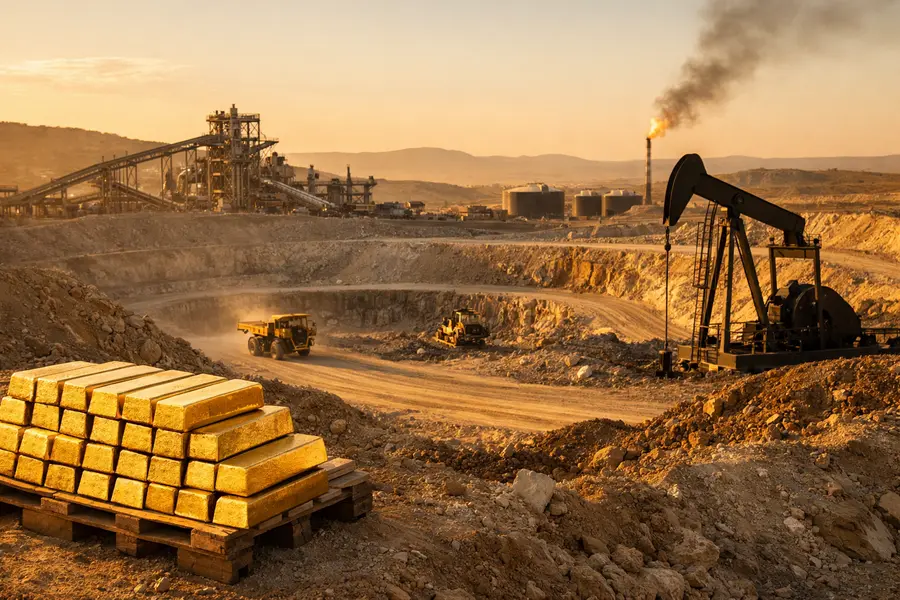
Gold price rose 2.1% to $3,957.19 an ounce on Monday, rebounding from a one-year low as oil fell on Iran peace talks and U.S. midterm elections drew near.
- Spot gold gained 2.1% to $3,957.19 by 10:49 a.m. ET, recovering part of Friday's 3.6% drop to the lowest level since October 2025.
- Oil fell more than 3% as Iranian and Qatari officials held a third straight day of talks on ending the war on Iran.
- Investors are positioning ahead of the November 3 midterm elections and their implications for fiscal policy.
Lead
Spot gold climbed more than 2% on Monday, November 2, to about $3,957 an ounce, recovering from a one-year low set in the prior session. Bullion had fallen 3.6% on Friday, its lowest close since October 2025, before buyers returned as a drop in oil prices eased inflation concerns. Financial markets today are balancing softer energy prices against the uncertainty of Tuesday's midterm elections.
What Happened to Gold Prices on Monday?
Gold rebounded by 2.1% on Monday after the previous session's slide to its weakest level in 12 months. The move came as crude oil weakened and traders reassessed the path of inflation and interest rates.
Friday's decline was steep. A 3.6% single-session loss pushed bullion to its lowest point since October 2025 and extended a retreat that has pulled the metal below the $4,000 level. Monday's gain recovered a little more than half of that drop.
Gold-backed exchange-traded funds such as the SPDR Gold Shares fund (GLD) track the spot price, and the rebound is visible across physically backed products as well as futures.
Why Did Oil Prices Fall?
Oil fell more than 3% because Iranian and Qatari officials held a third consecutive day of talks aimed at brokering a deal to end the U.S.-Israeli war on Iran. Any agreement would reduce the risk to supply routes in the Gulf, which carry a large share of global crude and liquefied natural gas.
The geopolitical channel matters for the crude oil price because Iran sits beside the Strait of Hormuz, the narrow passage through which roughly a fifth of global oil consumption moves. Progress toward a settlement lowers the risk premium embedded in energy contracts. Over a 3-to-12-month horizon, a durable ceasefire would also ease freight and insurance costs for tankers operating in the region.
How Does Cheaper Oil Support Gold?
Cheaper oil supports gold because it reduces inflation pressure and weakens the case for interest rates staying higher for longer. Gold pays no interest, so its appeal rises when yields on cash and government bonds are expected to fall. Lower energy prices feed through to headline consumer prices within weeks, which shapes expectations for federal reserve policy.
The relationship has not been one-directional in recent months. Gold has sold off even as geopolitical risk remained elevated, a sign that rate expectations and the dollar have outweighed haven demand. Monday's rebound reflects a partial reversal of that dynamic.
Why Do the Midterm Elections Matter for Bullion?
The midterm elections matter because the result will shape the outlook for fiscal policy, government borrowing and trade measures, all of which influence the dollar and real yields. Voters go to the polls on November 3. A divided Congress would typically limit new spending and tax legislation, while a unified result would leave room for larger fiscal packages that could add to the deficit.
Markets have tended to trade cautiously into U.S. elections, with positioning adjusted after the outcome is known. Gold's recovery on Monday was achieved on moderate conviction rather than a surge in haven buying, consistent with investors waiting for results.
What Comes Next for Gold?
Near-term direction depends on three variables: the election outcome, the status of the Iran negotiations and the next U.S. labor market report, due on Friday, November 6. A deal that lowers oil further would extend the disinflation argument. A breakdown in talks would lift energy prices and could revive inflation worries, which has recently been negative for bullion because of its effect on rate expectations.
Technical markers are also in focus. Friday's low is now the reference support level, while the $4,000 mark has become resistance after the recent decline.
Outlook
Gold recovered 2.1% to $3,957.19 on Monday as lower oil prices, driven by Iran peace talks, eased inflation concerns and trimmed the odds of prolonged high interest rates. The metal remains near a one-year low, and the midterm elections, the Iran negotiations and Friday's U.S. jobs data will determine whether the rebound holds.
Mentioned tickers: GLD