Pomegra
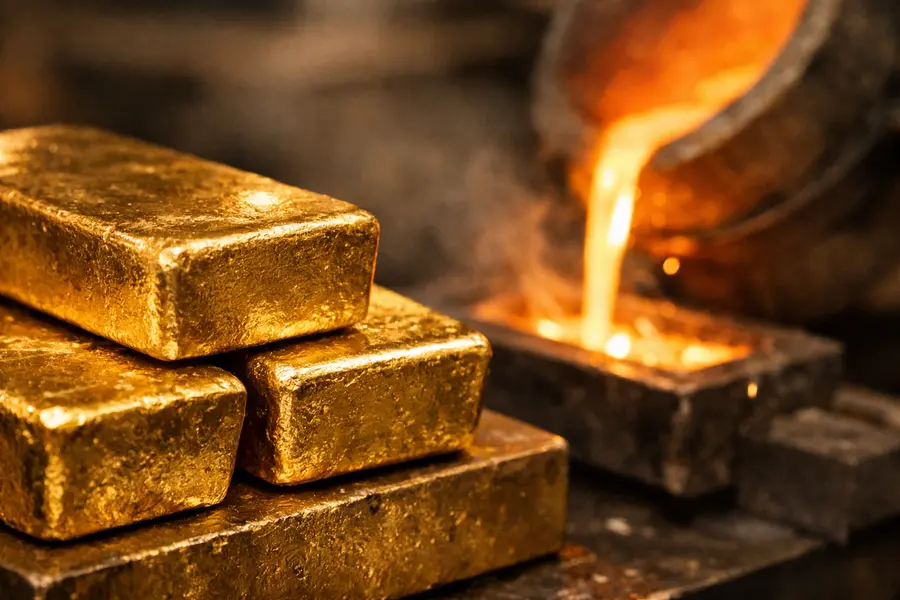
Gold is trying to steady near $4,000 and silver near $54 an ounce after a rough week, as high Treasury yields and Fed hike bets weigh on non-yielding metals.
- Gold fell about 3.8% on the week and silver more than 6%, with both trying to stabilize near $4,000 and $54 an ounce.
- A 10-year Treasury yield above 5% and firmer oil prices raised rate-hike bets, which hurts assets that pay no interest.
- The Fed meets October 27-28, and the metals face their next test from its policy signal.
Lead
Gold and silver are attempting to steady after their weakest week in months. Gold is hovering near $4,000 an ounce, close to its lowest level since July, and silver is near $54. For the week, gold lost about 3.8% and silver more than 6%. The sell-off came as high bond yields increased the cost of holding non-yielding assets, according to the market consensus. The moves are a central theme in financial markets today, with investors positioning for the Federal Reserve's October 27-28 policy meeting.
What Happened to Gold and Silver This Week?
Gold slid from roughly $4,165 at the start of the week to around $4,000, breaching the level briefly in some sessions. That was its first break below $4,000 since July. Silver fell from about $57 to near $54, a steeper drop than gold's, in line with its usual pattern of larger swings in both directions.
Silver's higher volatility reflects its split identity. It trades as a monetary metal alongside gold, but it also depends on industrial demand, which makes it more sensitive when growth or risk appetite wobbles. Exchange-traded products tied to the metals, including the SPDR Gold Shares ETF (GLD) and the iShares Silver Trust (SLV), tracked the declines.
Physical markets showed less stress than futures and spot screens. Coin and bar premiums stayed firm, and central-bank buying that anchored bullion above $4,100 for much of the month continued to provide a floor under demand.
Why Do High Yields Hurt Gold and Silver?
High yields hurt gold and silver because the metals pay no interest, so the opportunity cost of owning them rises when safe government debt offers more income. The 10-year Treasury yield moved above 5% this week, its highest range in years, and the dollar firmed alongside it. A stronger dollar makes dollar-priced metals more expensive for buyers using other currencies, which trims demand at the margin.
The rate move traces back to energy. A Middle East-driven spike in oil prices revived inflation concerns and pushed traders to price in a more restrictive Fed. Futures markets now show a clear majority probability of a rate increase by December, even though a hold at this week's meeting is the overwhelming expectation. When investors expect higher policy rates for longer, real yields climb, and real yields have historically been the single strongest macro driver of gold.
Why Did Other Markets Add to the Pressure?
A sell-off in technology and AI shares added to the weakness in metals. Gold normally benefits from equity stress, but this week some investors sold profitable gold positions to raise cash or meet margin needs elsewhere. That dynamic is common in sharp risk-off episodes, when liquidity matters more than safe-haven demand.
The result was a rare combination of falling equities, rising yields and falling bullion. It undercut the standard view of gold as a hedge against all forms of market stress. It also shows that gold's role depends on the type of shock. Inflation-driven rate fears have proven to be a headwind, while growth scares and falling real yields have been a tailwind.
What Does the Fed Meeting Mean for Gold and Silver?
The Federal Reserve decision on October 28 is the next catalyst, and the metals are likely to react more to the tone of the statement and press conference than to the rate decision itself. A hold is widely expected. What matters is whether policymakers signal that higher oil prices have shifted their bias toward tightening.
A hawkish message that validates December hike pricing would likely keep yields elevated and test the $4,000 level in gold again. A message that treats the oil shock as temporary could ease yields and give the metals room to recover. The lower end of this year's trading range, around July levels, is the next area of technical interest if $4,000 fails to hold.
For silver, the $54 area serves as the immediate reference point after a drop of more than 6% in five sessions. Its recovery pace will depend on both the rate path and signals from industrial activity.
What Comes Next for Precious Metals?
The near-term picture rests on three variables: the path of oil, the direction of the 10-year yield and the Fed's guidance. Each feeds into real yields, the key input for non-yielding assets. The structural backdrop is more supportive, given persistent central-bank purchases and strong physical premiums, but those forces move slowly. Price action in the coming sessions will be dominated by rates and positioning.
Outlook
Gold and silver are consolidating near $4,000 and $54 after a week that cost gold about 3.8% and silver more than 6%. Yields above 5%, a firmer dollar and oil-driven rate-hike expectations were the main pressures. The Fed meeting on October 27-28 is the next decisive event, and its message on inflation and the December outlook will determine whether the metals stabilize or extend the decline.
Mentioned tickers: GLD, SLV