Pomegra
The 10-year Treasury yield slid below 5% on Oct. 22 after peaking at 5.36%, as an AI-led stock sell-off drove investors into bonds and lowered interest rates.
- The 10-year yield fell about 19 basis points on Oct. 22, its biggest one-day drop since March 2023.
- The yield peaked at 5.36% on Oct. 7, its highest level since 2002.
- The Nasdaq Composite lost 2.6% as AI spending worries hit tech shares.
Lead
The benchmark 10-year Treasury yield dropped below 5% on Thursday, Oct. 22, for the first time in about a month. It fell roughly 19 basis points to near 4.95%, the steepest one-day decline since March 10, 2023. Two weeks earlier, on Oct. 7, it had reached 5.36%, the highest level since 2002. A sell-off in technology shares over the returns on artificial intelligence spending sent investors into government debt. Oil near $112 a barrel kept geopolitical pressure on markets.
What Happened to Treasury Yields on Oct. 22?
The 10-year yield fell more than 17 basis points on the day, and by about 19 basis points at its sharpest point in afternoon trading. A basis point is one hundredth of a percentage point. The policy-sensitive 2-year yield fell by a similar margin, to roughly 4.65%. Yields move inversely to bond prices, so the drop reflected strong buying of Treasuries.
The week ended with the 10-year near 4.99%, about 40 basis points below the October peak. The 30-year bond had reached 5.70% during the early-October surge.
Why Did the AI Stock Sell-Off Send Investors Into Bonds?
Doubts about the payoff from AI infrastructure spending pushed money out of equities and into Treasuries, the traditional safe haven. The S&P 500 fell 1.2% to 7,663.43, and the Nasdaq Composite dropped 2.6% to 26,008.86. The Nasdaq's decline was its worst session since June.
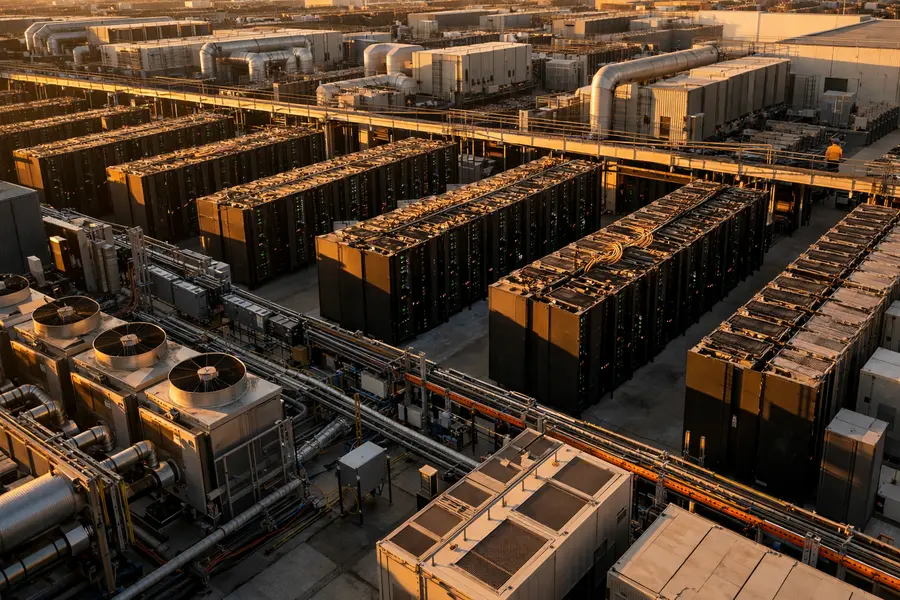
The trigger was the earnings report from Meta Platforms (META). Third-quarter free cash flow was negative $2.12 billion, as capital expenditure exceeded operating cash generation. Spending commitments of about $825 billion added to concern that AI outlays are outrunning revenue. Meta shares fell about 6%.
The sell-off marked a reversal in how AI shaped the bond market. Earlier in October, the AI buildout had been cited as a driver of higher yields. Corporate borrowing to fund data centers added to Treasury supply, and strong growth forecasts lifted expectations for short-term rates. When equity investors turned cautious, the flow reversed.
How Did Yields Reach 5.36% in the First Place?
Yields climbed on three pressures: energy-driven inflation, heavy government borrowing, and AI-related corporate debt issuance. Brent crude has risen more than 50% since the Iran war began in late February. That has kept consumer prices and inflation expectations elevated, and it has kept the federal reserve from signaling relief on interest rates.
A projected federal deficit of about $1.9 trillion added to supply. Weak demand at recent Treasury auctions pushed the 10-year to its 24-year high on Oct. 7. That level eclipsed the peaks of late 2023, when the yield briefly approached 5%.
What Does the Move Mean for Borrowing Costs?
Lower yields ease pressure on mortgage rates, corporate bonds and other loans priced off the 10-year Treasury. Many long-term borrowing rates track this benchmark. A decline of about 40 basis points from the peak narrows the gap with the elevated levels that had pushed home-loan and business-credit costs to multi-year highs.
The relief may be short-lived. The drop followed a flight to safety, not a change in inflation or deficit trends. Oil near $112 and large Treasury issuance remain on the table, and both can push yields higher again.
How to Buy Treasury Bonds When Yields Are This High?
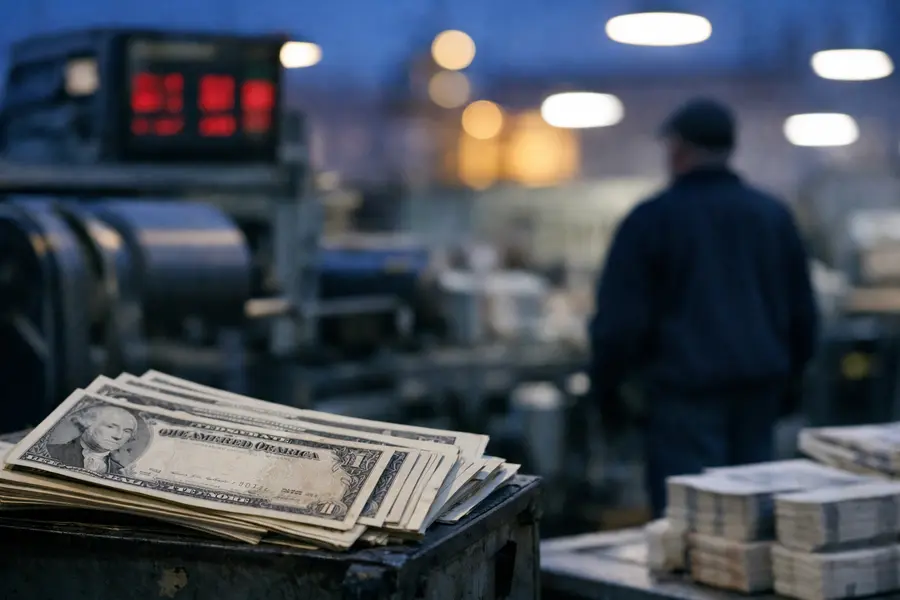
Treasury bonds can be bought directly from the government at auction through TreasuryDirect, or through a brokerage account on the secondary market. Auction purchases are made at a yield set by competitive bidding. Brokerage purchases of existing bonds are priced at prevailing market yields. Exchange-traded funds that hold Treasuries are an alternative route to the same asset class.
At yields near 5%, Treasuries pay income not seen since the early 2000s. The Oct. 22 move also showed the other side of bond ownership. Prices rise when yields drop, so holders of longer-dated bonds gained on the day.
What Comes Next for the 10-Year Yield?
The next direction depends on three variables: whether AI spending doubts persist, how oil prices behave, and what the Fed signals about rates. A continued equity sell-off would sustain demand for bonds and keep yields below 5%. A recovery in tech shares, or a further jump in crude, would likely reverse the move.
Upcoming Treasury auctions will test appetite for supply at lower yields. Investors are also watching inflation data and the central bank's next policy meeting for evidence on whether the 5.36% peak marked a turning point or a pause.
Outlook
The 10-year yield has retreated about 40 basis points from its highest level since 2002 and sits just under the 5% threshold. The Oct. 22 drop, the largest in more than three years, reflected a rotation out of AI-exposed equities into safe-haven debt. Inflation pressure from energy, a large federal deficit and heavy corporate borrowing keep the risks to yields two-sided as the Fed's next move approaches.