Pomegra
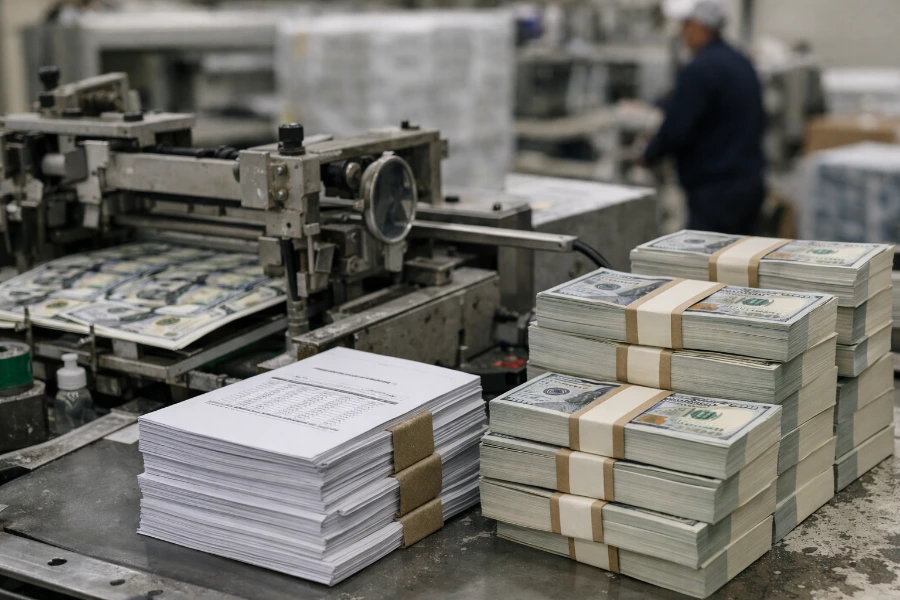
A stronger-than-expected October jobs report lifted the 10-year Treasury yield to about 4.86% and moved traders firmly toward a December Fed rate hike.
- The U.S. added 165,000 jobs in October versus about 59,000 expected, and unemployment fell to 4.1%.
- The 10-year Treasury yield rose to about 4.86%, its highest level in the recent run of data.
- Futures markets put the odds of a December Fed rate hike at about 78%.
Lead
U.S. employers added 165,000 jobs in October, almost triple the roughly 59,000 forecast, and the unemployment rate dropped to 4.1%. The report, released Friday, Nov. 6, pushed the benchmark 10-year Treasury yield to about 4.86% and raised the probability of a quarter-point December Fed rate increase to about 78%. Only a week earlier, markets had treated a rate hike as a minority outcome.
What Did the October Jobs Report Show?
The October report showed payroll growth of 165,000, far above the forecast, alongside a falling jobless rate and firmer wage growth. The size of the beat matters as much as the headline. Consensus had pointed to a labor market that was cooling, and the data instead showed hiring broadening and unemployment moving lower.
A rate-setting committee can look past one strong month. It is harder to dismiss a report in which job gains, unemployment and pay all point the same way. Higher wages feed services prices, which keep inflation above target even when goods prices ease.
Why Did Treasury Yields Jump?
Treasury yields jumped because stronger hiring reduced the chance of rate cuts and raised the chance of an increase. The 10-year yield climbed several basis points on the day to about 4.86%. The yield on the 2-year note, which tracks policy expectations more closely, moved in the same direction.
Bond prices fall as yields rise, so holders of longer-dated Treasuries took losses on the session. The 10-year yield is also the reference rate for mortgages, corporate borrowing and the discount rate in equity valuation models. A move toward 4.9% therefore tightens financial conditions without any action from the central bank.
Equity markets were mixed. Rate-sensitive benchmarks, including the S&P 500 ETF (SPY) and the Nasdaq-100 ETF (QQQ), have been exposed to this channel, because higher discount rates weigh most on long-duration growth stocks.
How Likely Is a December Fed Rate Hike?
A December hike is now the market's base case, with futures pricing about a 78% probability of a 25-basis-point increase and the remainder on no change. Earlier in the week the odds sat well below that level.
The repricing is large because the federal reserve has been weighing whether inflation progress has stalled. A labor market that adds jobs faster than the working-age population grows leaves less slack to absorb. That is the condition under which policymakers have historically tightened rather than waited.
The committee has two more data points before it meets in December: the October consumer price report and the November employment report. A soft reading in either could pull the odds back. Two firm readings would push them toward certainty.
What Does a Hike Mean for Borrowing Costs?
A December hike would raise short-term interest rates across the economy almost immediately. The bank prime rate, which is set at a fixed spread above the Fed's target range, moves in step with each policy change. Credit card rates, home equity lines and many small-business loans are priced off it and would reset higher within one or two billing cycles.
Longer-term borrowing costs have already moved. The rise in the 10-year yield feeds into mortgage pricing before the Fed acts, so households and companies are absorbing part of the tightening now.
Savers see the opposite effect. Deposit and money-market yields track the policy rate, so a hike would lift returns on cash while raising the cost of debt.
Market Context and Consensus View
The prevailing view among economists and rate strategists is that the report removes the case for further easing this year and reopens the case for tightening. A minority view holds that one month of payroll data is volatile and subject to revision, and that the Fed will wait for confirmation before acting.
Payroll figures are often revised in the following two months. A downward revision to October in the next release would soften the signal. Without one, the data stands as the strongest labor print in the current cycle's recent history, relative to expectations.
For the Treasury market, the supply backdrop adds pressure. Large federal deficits require steady issuance, and higher policy rates raise the cost of servicing that debt. That dynamic keeps term premiums, the extra yield investors demand for holding long-dated bonds, elevated.
Outlook
The October jobs report moved the debate from when the Fed might cut to whether it will hike in December. With the 10-year yield near 4.86% and odds of an increase at about 78%, the next inflation and employment releases will determine whether the market's pricing holds. A confirmation would mark the first rate increase in this policy cycle and keep long-term yields near their current range. A miss would likely trim the odds and ease pressure on bonds.