Pomegra
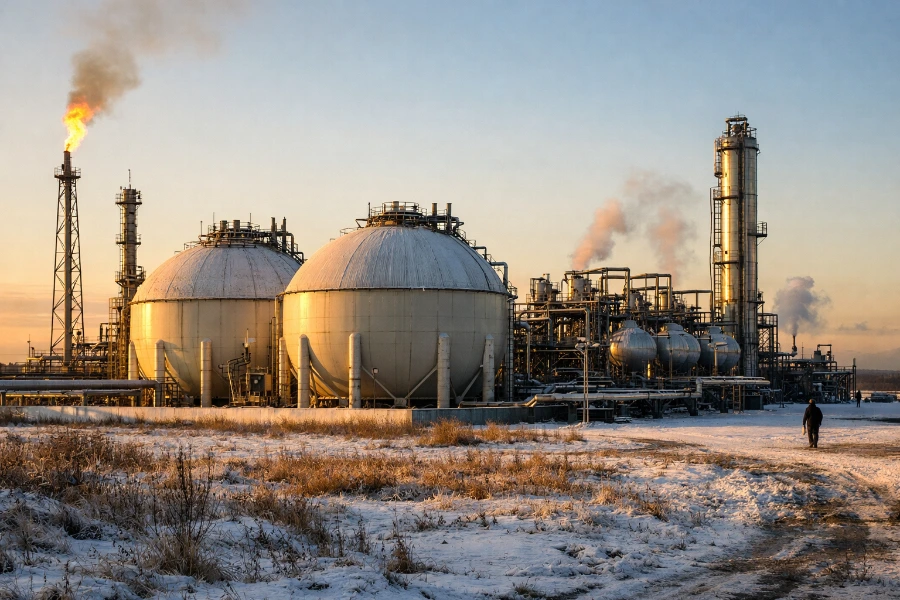
European gas prices jumped as much as 8.6% to about €96/MWh as a prolonged cold snap hit northwest Europe, with EU storage only about 69% full against a five-year average near 89%.
- Dutch TTF month-ahead futures hit an intraday high of €96.08/MWh, the highest since November 13, before easing to around €92.50.
- EU storage is about 69% full, versus a five-year average near 89% and roughly 82% a year ago.
- TTF rose 12% in October and is up about 163% from a year earlier.
Lead
Dutch TTF month-ahead futures, the European benchmark for natural gas, surged as much as 8.6% in early trading on Monday, November 23, to €96.08 per megawatt-hour. The contract later pared gains and traded near €92.50. The move came as forecasts showed a deepening cold spell across northwest Europe, arriving while EU gas storage sits at its lowest level for the time of year in about a decade.
What Drove European Gas Prices Higher?
A colder weather outlook meeting depleted inventories drove the jump. Temperatures across northwest Europe are forecast to run 3°C to 5°C below the 30-year average this week. In early December, they are forecast to run 5°C to 8°C below normal.
Cold weather lifts heating demand and wind-power output can fall in stagnant conditions, which raises gas burn for electricity. Storage is expected to draw down quickly over the next one to two weeks. That leaves less gas in reserve for January and February, usually the coldest months.
How Full Are EU Gas Storage Sites?
EU storage sites were about 69% full heading into Monday, equal to roughly 781 terawatt-hours. The five-year average for this point in the season is near 89%, and storage stood at about 82% at this time last year. The gap is around 20 percentage points against the multi-year norm.
The shortfall reflects several pressures. Summer heatwaves lifted cooling demand and power-sector gas use. Qatari LNG exports slowed because of the war in the Middle East. Outages in Norway, Europe's largest pipeline supplier, have added to the tightness.
Why Does Low Storage Make Prices So Sensitive?
Low storage removes the cushion that normally absorbs weather shocks. With less gas banked, traders price in the risk that Europe must compete for LNG cargoes against Asian buyers through the rest of winter. That competition tends to support prices.
The price trend shows how tight conditions have become. TTF rose 12% in October and stands about 163% above its level a year earlier. Monday's high of €96.08 was the strongest print in more than a week.
What Does This Mean for Industry and Consumers?
Higher wholesale gas feeds directly into power prices and into costs for energy-intensive sectors such as chemicals, fertilisers, steel and glass. Governments face renewed pressure over household bills as the heating season gets under way.
The pattern is familiar from earlier winters. Europe's exposure to global LNG markets has grown since pipeline imports from Russia fell. As a result, supply disruptions in Qatar or Norway now transmit quickly into TTF prices.
What Comes Next for European Gas Prices?
Near-term direction depends on temperatures, Norwegian output and LNG arrivals. A colder-than-forecast December would accelerate withdrawals and keep TTF near or above €90. A milder turn, restored Norwegian flows or a surge in LNG send-out would ease pressure. Even so, storage cannot recover quickly while heating demand is rising.
Outlook
TTF futures touched €96.08/MWh on a cold snap, with EU storage near 69% against a five-year average close to 89%. Through early December, weather forecasts, Norwegian supply and LNG availability are the main drivers. The thin storage buffer leaves the market exposed to further price spikes if the cold persists.
Mentioned tickers: None