Pomegra
The European Commission's 22nd sanctions package against Russia targets about 60 banks, crypto platforms and energy services, and needs all 27 states' backing.
- The Commission proposed the package on Nov. 23, 2026, extending transaction bans to about 60 more Russian banks.
- Kyrgyzstan becomes the first country hit by the EU's wholesale crypto anti-circumvention tool.
- The package needs unanimous approval from all 27 member states before it takes effect.
Lead
The European Commission on Monday proposed a 22nd sanctions package against Russia, aimed at the country's banks, crypto platforms and energy sector. Commission President Ursula von der Leyen presented the measures in a video address. She said the EU "will continue to propose new sanctions until Russia shows genuine intent for a lasting peace in Ukraine." The proposal extends the transaction ban to about 60 additional Russian banks, all of which would also be cut off from the SWIFT messaging network. It also introduces the first EU sanctions on Russian electricity companies and a ban on all tankers insured in Russia.
What Does the 22nd Sanctions Package Include?
The package covers finance, energy, shipping, crypto, sport and corporate governance.
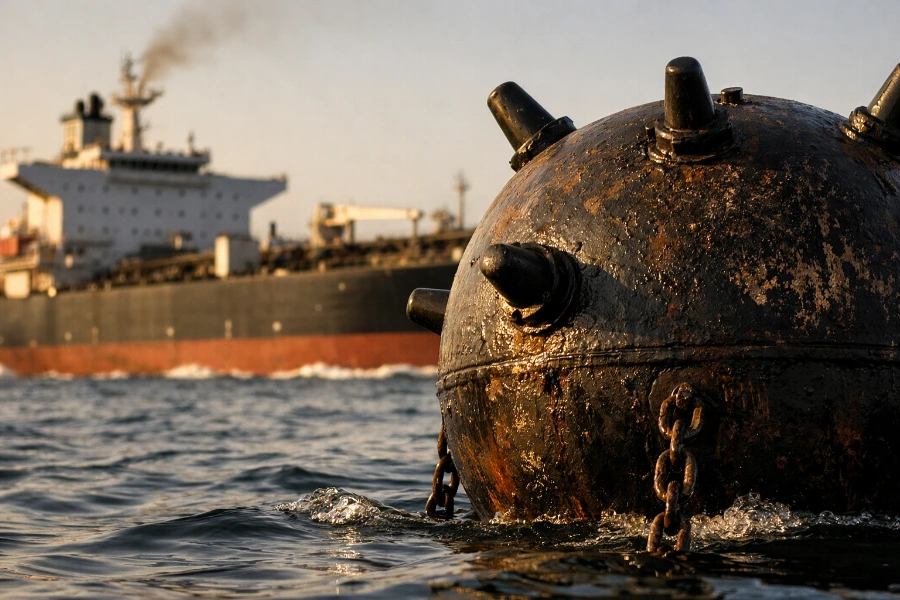
Banking and finance. The transaction ban on about 60 more banks would bar EU operators from dealing with them. Removal from SWIFT would further limit their ability to move money across borders. The measure builds on earlier packages that already cut much of the Russian banking system off from European and dollar-clearing channels. Energy. The Commission proposes widening the EU's services ban so European companies cannot help Russia build, operate or repair energy infrastructure, with refineries singled out. Electricity companies are sanctioned for the first time. The package also removes Georgia's Kulevi refinery from the sanctions list, after the facility shifted to sourcing crude from Libya. Shipping. More than 70 additional shadow fleet vessels would be listed. The package also bans all tanker vessels insured in Russia. Moscow has relied on ageing tankers with opaque ownership and domestic insurance to carry crude and products outside Western price caps and services. Corporate governance. European citizens would be barred from holding posts in Russian companies and their governing bodies. Former German Chancellor Gerhard Schröder is among those affected. Sport and visas. The package bans Russian athletes and teams from competing under the Russian flag at EU sporting events. It also proposes a visa ban on Russian ex-combatants, a measure agreed in principle in the previous package pending feasibility. Migration Commissioner Magnus Brunner said that "anyone fighting on Russia's side against Ukraine is not welcome in Europe." Tourist visas would be limited to substantiated individual cases.How Does the Package Target Crypto Platforms?
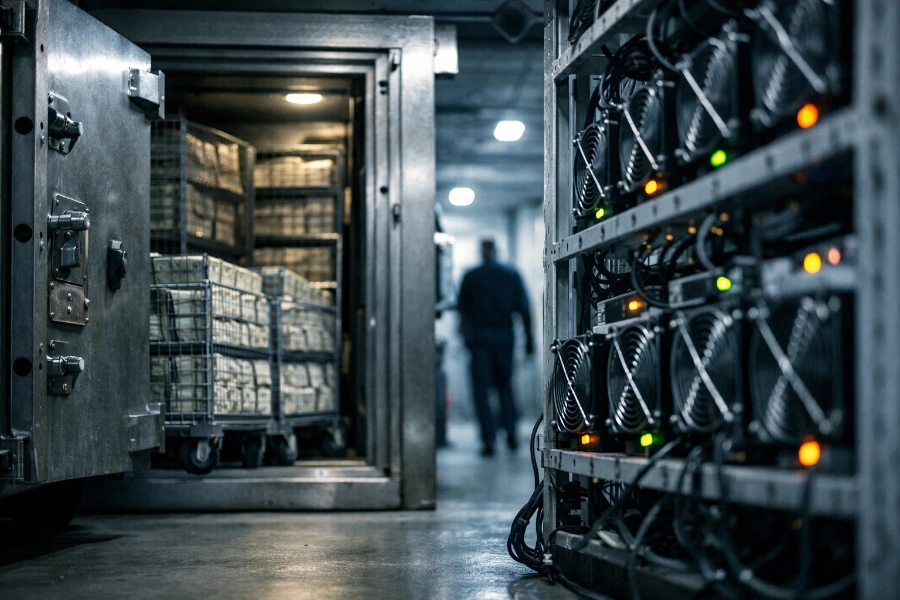
The package targets crypto through a new enforcement task force and a country-level ban. The Commission has launched a Crypto Sanctions Task Force to track platforms in third countries that help Russian entities move funds outside the formal banking system.
The package also uses, for the first time, a tool created in the 21st package. The tool allows a wholesale ban on a jurisdiction whose banks and crypto companies are used to dodge sanctions. Kyrgyzstan is the first target. Crypto rails and Central Asian intermediaries have become a main route for Russian importers and exporters since the banking restrictions tightened. Brussels is now treating that channel as a country-level issue rather than a company-by-company one.
Why Does the Energy Services Ban Matter for Oil Markets?
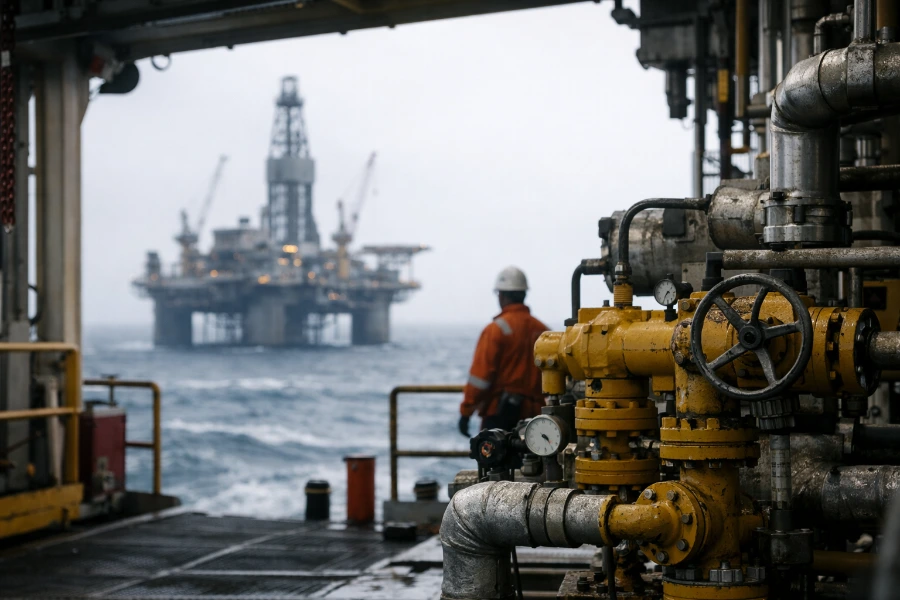
The services ban matters because it targets Russia's ability to maintain and rebuild refining capacity, not only the crude it sells. Russia's refineries have been exposed to repair and equipment shortages, and a European services ban narrows the technical help available to them.
Oil markets showed limited reaction on the day. Brent crude traded near $90 a barrel on Nov. 23, down about 2% from the previous session, according to market data. The roubles-denominated tax price of Russian oil fell about 30% in the first three weeks of November compared with October. That decline raises pressure on Russian budget revenue independent of the new package. Traders tracking Russian assets, including the MOEX Russia index, will watch whether the shipping and insurance measures remove physical barrels from the market or only raise the cost of moving them.
Geopolitical Dimension
The proposal comes as the EU links further pressure on Moscow to the absence of a settlement in Ukraine. The 22nd package follows the 21st by a short interval, a sign that the Commission intends to keep a steady flow of new measures rather than wait for long negotiation cycles. The Kyrgyzstan designation extends the EU's reach beyond Russia and its closest partners. It signals that third-country financial centres face direct consequences for enabling circumvention. Governments and banks across Central Asia and the Caucasus now have a clearer picture of the compliance risk.
What Happens Next for the Sanctions Package?
The package now goes to member states, where it requires unanimity. Negotiations among the 27 governments are under way. Sanctions packages usually change during that process, as capitals press for carve-outs, longer phase-in periods or the removal of individual listings. The Kulevi delisting shows the type of adjustment already built into the draft. Once approved, the measures are published in the EU's Official Journal and apply across the bloc.
For European firms, the energy services ban and the restriction on holding posts in Russian companies carry the most direct compliance burden. For banks and payment providers, the key change is the wider SWIFT cut-off and the Kyrgyzstan crypto restrictions, which add new screening requirements for flows through Central Asia.
Outlook
The 22nd sanctions package widens EU pressure on Russia's financial system, energy sector and shadow fleet, while treating crypto circumvention as a policy target in its own right. Its fate depends on unanimity among the 27, and the final text may differ from the Commission's proposal. In the three to twelve months after adoption, the main effects will show up in Russian banking access, tanker insurance and refinery maintenance, and in how Central Asian intermediaries respond to the Kyrgyzstan precedent.
Mentioned tickers: None