Pomegra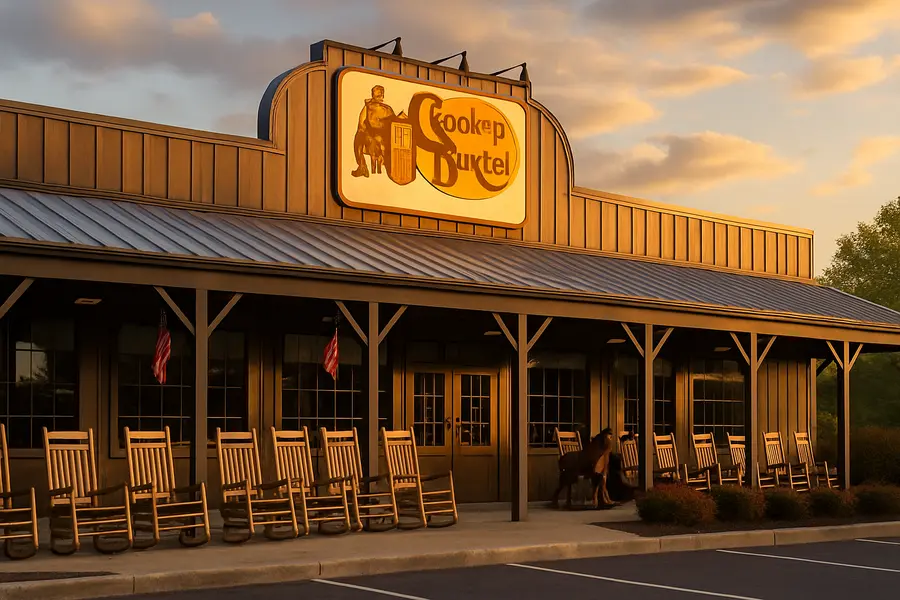
Cracker Barrel rebuilds around guest experience after its August 2025 logo rebrand erased $594 million in market value and derailed its brand turnaround.
- Q3 FY2026 total revenue of $797.4 million declined 2.9% year-over-year but exceeded expectations, marking a sequential improvement.
- Food, service, and value guest scores each improved 4%–5% year-over-year for the third consecutive quarter; Google ratings are at a six-year high.
- The Cracker Barrel Rewards loyalty program reached 12 million members, with tracked member sales exceeding 40% of transactions.
Lead
Cracker Barrel Old Country Store (NASDAQ: CBRL) is rebuilding its recovery strategy around guest experience and kitchen quality after a botched logo redesign in August 2025 upended months of hard-won operational gains. The Tennessee-based restaurant chain reported fiscal third-quarter 2026 revenue of $797.4 million — down 2.9% year-over-year but ahead of internal expectations — with CEO Julie Masino citing a third consecutive quarter of improving guest metrics as evidence that the pivot is gaining traction.What Happened
Cracker Barrel's brand turnaround, which had produced four consecutive quarters of positive comparable-store sales growth, was derailed in late August 2025 when the company unveiled a redesigned logo that stripped the "Old Country Store" identifier and replaced the chain's traditional imagery with a simplified modern mark. The response was swift and punishing. Guest traffic fell 5.3% during the peak backlash week of August 25 and slid further into double-digit declines in September as consumer sentiment soured across the chain's core audience. Vocal criticism — including from President Donald Trump — amplified media attention and accelerated the damage.
By September 9, 2025, Masino reversed course, halting all restaurant renovations and restoring the original "Old Timer" branding. The episode erased an estimated $594 million in market capitalization and forced a revision of full-year financial guidance, representing one of the most consequential voluntary brand retreats in recent restaurant industry history.
The financial toll carried into fiscal 2026. Comparable restaurant sales declined 4.7% in Q1 and 7.1% in Q2. A corporate restructuring announced across those quarters is expected to generate $20 million to $25 million in annualized general and administrative savings.
Guest Metrics Improve
Third-quarter FY2026 results signal a meaningful shift in trajectory. Comparable restaurant sales fell 2.6% year-over-year and comparable retail sales declined 1.8% — a significant narrowing from Q2's pace. Food, service, and value scores each improved 4% to 5% year-over-year, while the chain's Google star rating reached its highest level since 2020.
The improvement reflects management's deliberate shift away from remodels and visual rebranding toward investments in what the company describes as "the kitchen and areas that enhance the guest experience." Menu quality, food waste reduction, and service consistency have emerged as the primary operational levers in the updated turnaround playbook.
Strategic Context
Broader restaurant industry trends underscore the difficulty of the recovery. The family dining segment has faced sustained traffic headwinds as elevated food costs eroded consumer discretionary budgets. Cracker Barrel's average guest check of approximately $15 positions it below the family dining segment average of $18 and well beneath casual dining's $28 — a value proposition the company is actively reinforcing as lower-income consumers exercise heightened selectivity. Management is simultaneously targeting both its traditional older demographic and younger consumers, describing the dual-cohort approach as gaining traction across recent quarters.
Activist investor Sardar Biglari continues to press the board for CEO leadership changes, adding governance pressure to the operational recovery agenda. The company's unit count contracted from 726 to 710 locations over the past year, partly reflecting strategic pruning and partly the suspension of the remodel program after only four of a planned 25 to 30 renovated locations were completed before the backlash struck.
For full fiscal year 2026, Cracker Barrel guides for total revenue of $3.24 billion to $3.27 billion and adjusted EBITDA of $85 million to $100 million, with approximately 4% menu pricing embedded against commodity inflation of 2% to 2.5%.
Outlook
Third-quarter FY2026 results represent Cracker Barrel's clearest evidence yet that the post-rebrand deterioration is stabilizing. Rising guest satisfaction scores and a decelerating comparable-sales decline suggest the company's renewed focus on guest experience fundamentals is registering with consumers. The defining test remains converting those satisfaction gains into positive comparable traffic — a conversion that restaurant industry analysts and investors will watch against a backdrop of continued consumer caution and unresolved governance uncertainty. Until same-store sales turn positive, the brand turnaround will remain a work in progress, and the pressure on Masino and her board to deliver accelerated results will only intensify.
Mentioned tickers: CBRL