Pomegra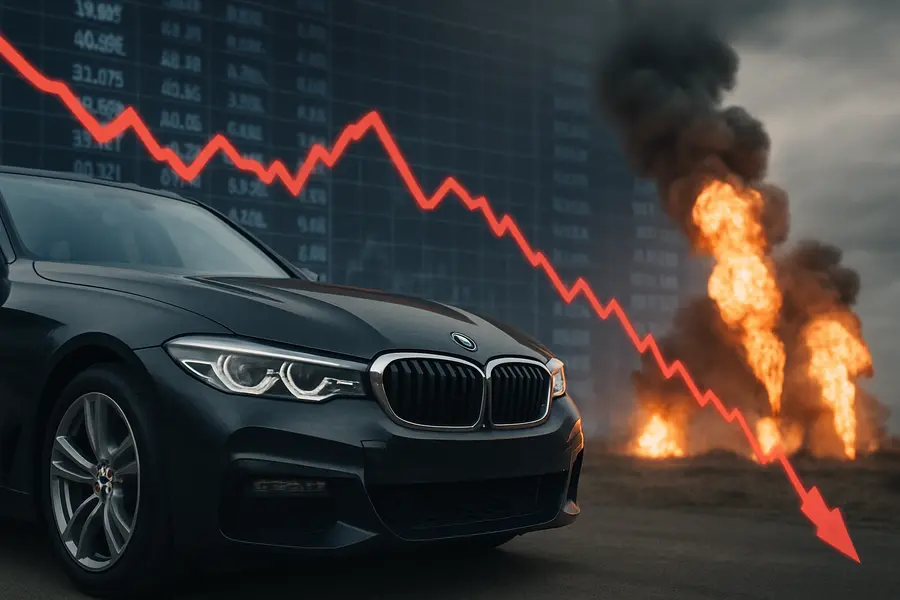
BMW stock sinks 7% to its lowest level since 2020 as the automaker slashes its 2026 earnings outlook on Iran energy shocks and China auto demand collapse.
- BMW cuts 2026 automotive EBIT margin guidance to 1–3%, down sharply from 4–6%, its deepest earnings revision in recent years.
- China deliveries fell 10% in Q1 2026, with Q2 deterioration accelerating, particularly for combustion-engine models.
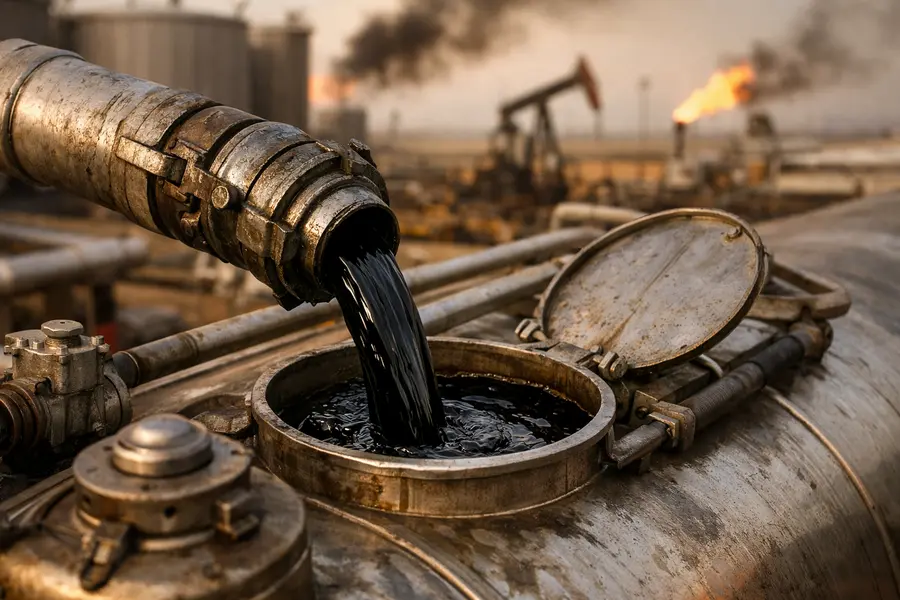
- The Iran war has pushed WTI crude toward $91 per barrel, inflating BMW's input costs and suppressing consumer sentiment globally.
Lead
Bayerische Motoren Werke AG shares plunged as much as 8% in Frankfurt trading on June 17, 2026, touching €63.18 — their weakest point since November 2020 — after the Munich-based automaker issued a sweeping downward revision to its full-year earnings guidance. BMW cited an accelerating contraction in Chinese automobile demand and the sustained energy market disruption triggered by the ongoing Iran war as the dual forces behind the cut. The stock settled down approximately 7% in heavy volume, extending year-to-date losses to roughly 30% and erasing several billion euros in market capitalization within a single session.What Happened
BMW Group slashed its 2026 automotive EBIT margin target to 1–3%, down from a prior range of 4–6%, and reduced its return on capital employed forecast to 1–5% from 6–10%. Group pretax profit is now expected to decline "significantly" — defined by the company as a contraction exceeding 15% — against prior guidance of only a moderate decline.
The revision constitutes BMW's third China economic slowdown-related profit warning in two years and the most severe guidance adjustment in the company's recent history. Market reaction was swift: BMW's revised margin forecast positions it at the bottom of the European premium carmaker ranking, below both Mercedes-Benz and Volkswagen.
China Economic Slowdown
China remains BMW's largest single market, and conditions there have deteriorated rapidly. BMW deliveries in China fell 10% in the first quarter of 2026, and management stated that Q2 has worsened further, especially for internal combustion engine vehicles. Battery electric vehicle volumes declined 20% globally in Q1, driven overwhelmingly by weakness across the Chinese and U.S. markets.
A prolonged property market downturn has eroded household wealth for tens of millions of Chinese consumers, reducing appetite for large discretionary purchases. At the premium tier, consumers have grown more cautious about publicly signaling wealth, accelerating the retreat of legacy European brands from aspirational segments. Simultaneously, domestic Chinese EV manufacturers continue to expand market share with cost structures that structurally undercut imported premium nameplates on price. BMW management acknowledged that "positive volume developments in Europe and the USA cannot compensate for the sales decline in China and Asia Pacific."
The China economic slowdown has shifted from cyclical headwind to structural challenge for German automotive industry leaders. High-end car sales across the country have contracted materially as macro pessimism deepens, and the competitive dynamics favor local manufacturers across nearly every vehicle segment.
Geopolitical Dimension: The Iran War
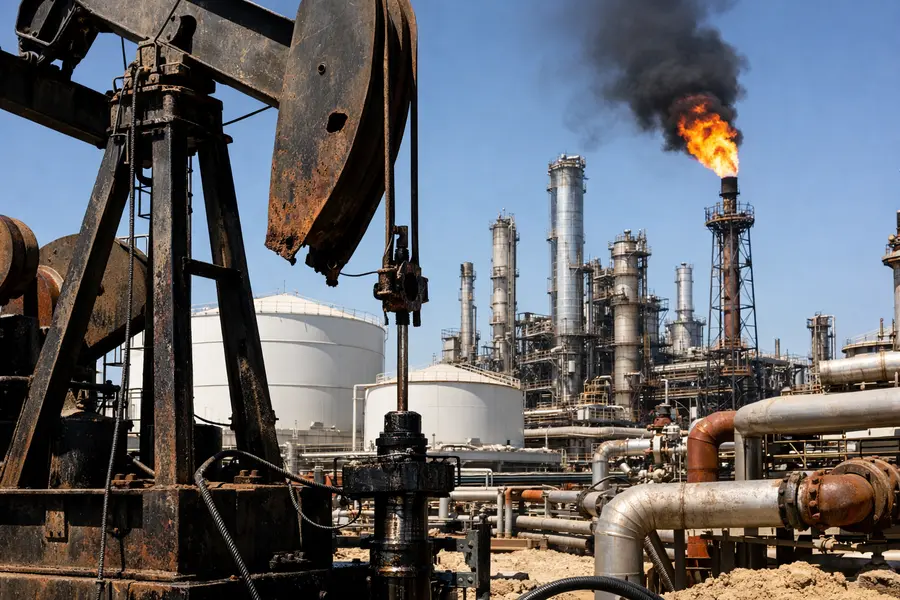
The second major shock is geopolitical. A joint U.S.-Israeli military operation against Iran in late February 2026 triggered the largest geopolitical oil supply disruption in modern history, roughly two to three times the scale of the 1973 and 1990 disruptions. The closure of the Strait of Hormuz — the transit point for approximately 20% of global seaborne oil trade — combined with strikes on Gulf energy infrastructure sent WTI crude from around $60 per barrel in late January to $91 per barrel by March.
For BMW, elevated energy costs feed directly into manufacturing, logistics, and multi-tier supplier pricing. Beyond direct cost inflation, the Iran conflict has dampened consumer confidence across Europe and Asia, compressing retail traffic and extending vehicle purchase timelines. BMW's guidance language explicitly cited geopolitical disruption as a compounding factor "beyond initial assumptions." With mediation collapsed and strikes ongoing, markets have repriced the conflict from a short-term shock to a sustained pressure source through the second half of 2026.
Market Reaction
The sell-off spread across the European automotive industry. Mercedes-Benz Group fell 3.1% in Frankfurt and Volkswagen shed approximately 2%, as investors assessed whether BMW's deteriorating economics — Chinese volume collapse, energy cost inflation, and combustion-engine demand erosion — represent sector-wide exposure rather than company-specific failure. The breadth of the move confirmed that reading. BMW earnings guidance was described by major bank analysts as a "radical earnings cut" that exceeded even the most bearish pre-announcement scenarios.
Strategic Context
BMW stock price has been under pressure since tariff-related disruptions weighed on 2025 results, when full-year net profit fell 3% and automotive EBIT dropped 11.5% to €10.2 billion. The 2026 guidance revision compounds that multi-year trajectory, raising questions about when margin recovery becomes structurally achievable.The carmaker faces a convergence of forces: a Chinese market contracting for legacy powertrains while domestic competitors gain ground; Iran-driven energy inflation adding persistent cost pressure; and a broader consumer confidence drag in Europe and Asia that delays vehicle replacement cycles across all segments.
Outlook
BMW confronts a difficult second half of 2026 with limited near-term relief from either the China economic slowdown or global energy markets. An automotive EBIT margin of 1–3% leaves virtually no buffer against additional volume or cost deterioration. A diplomatic resolution to the Iran conflict or a stabilization of Chinese consumer confidence would materially change the margin trajectory, but neither condition appears imminent. The sector-wide contagion from BMW's guidance cut reflects a market judgment that the structural headwinds facing the German premium automotive industry — in China, in energy, and in the combustion-to-electric transition — are shared across the category, not isolated to a single manufacturer.
Mentioned tickers: BMW.DE, MBG.DE, VOW3.DE