Pomegra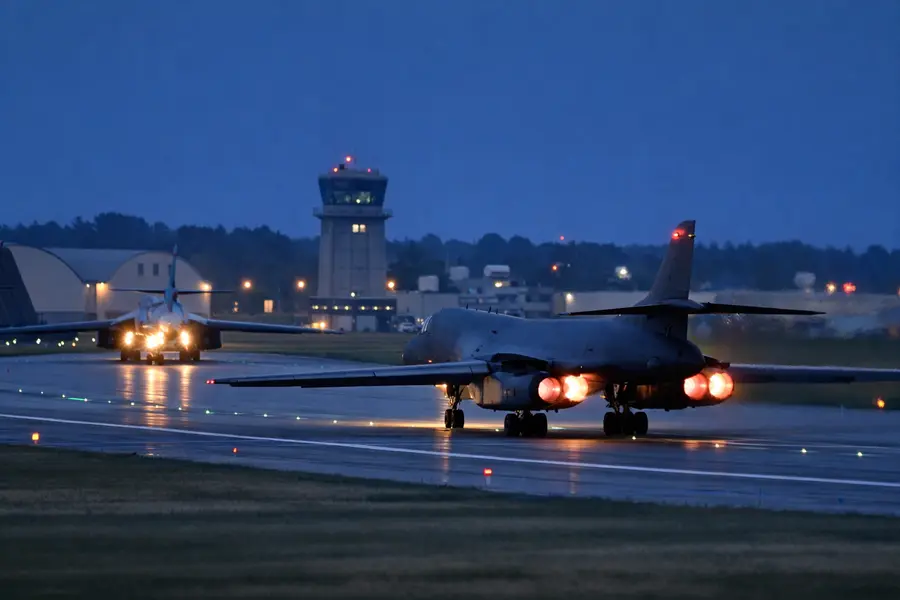
The U.S. Air Force pulled all 12 B-1 bombers from RAF Fairford on Oct. 4 after a UK counterterrorism probe, removing a key launch point for strikes on Iran.
- All 12 B-1B Lancer bombers left RAF Fairford on Oct. 4 and returned to U.S. home stations.
- Five men were arrested near the base on Sept. 27; a dual British-Iranian national was arrested in London on Oct. 1.
- Brent crude traded near $100.84 a barrel on Oct. 6 as the war entered its eighth month.
Lead
The U.S. Air Force withdrew every B-1 bomber from RAF Fairford in Gloucestershire on Oct. 4. The Pentagon confirmed that all bombers deployed to the base "have re-deployed to their home stations." The move followed a UK counterterrorism investigation into a suspected plot against the base, which sits about 160 km (100 miles) west of London. Roughly a dozen aircraft had operated from the site, including some used in recent strikes on Iran. President Donald Trump said on Monday that "threats" had prompted the removal.
What Happened at RAF Fairford?
Police were called to the area on Sept. 27 after a local farmer reported a group of men with several vans acting suspiciously. Officers arrested five men on suspicion of preparing acts of terrorism. About 85 homes near the base were evacuated during the response.
Searches found petrol in the vans but no explosive devices. The five men were released while the inquiry continued. On Oct. 1, police arrested a dual British-Iranian national in central London, and a further British man was questioned under caution. Counter Terrorism Policing said it was pursuing "all possible angles," including potential foreign-state involvement.
Why Did the U.S. Pull Its Bombers?
The Pentagon and the White House cited security threats to the aircraft and crews. Trump praised the UK arrests as "fantastic" and said the perpetrators would be linked to Iran. Secretary of State Marco Rubio expressed confidence in the security of U.S. bases and played down a direct link to the Fairford case.
London has taken a firmer line on Iran. Prime Minister Andy Burnham said there were "strong indications that Iran played a part" and insisted the base remains safe, with security tightened. Tehran rejects the claim. The Revolutionary Guards and the Iranian embassy denied involvement, and Foreign Minister Abbas Araghchi said the UK was mistaken. Iran also summoned the British ambassador in protest at the arrests.
Withdrawing a full bomber detachment from an allied base is rare. One academic specialist at the University of Birmingham called the step historic and unprecedented.
Strategic Context
The U.S.-Israel war against Iran began on Feb. 28, 2026. In March, London authorized Washington to use Fairford for "specific defensive operations into Iran," including attacks on missile sites threatening shipping in the Strait of Hormuz. The permission was limited at first, as the UK government was reluctant to be drawn into offensive operations.
Fairford is one of the few European locations with the runway length, hardened facilities and infrastructure to support heavy bombers. Its use put UK territory directly in the logistics chain of the air campaign. That raised the base's profile as a target, and it fed a UK security debate over Iranian-backed activity on British soil.
What Does the Withdrawal Mean for the Iran Campaign?
The immediate effect is longer flight times and heavier reliance on aerial refueling. The B-1B can fly missions from the continental United States, but basing in Britain shortened the distance to the Middle East and allowed higher sortie rates. Other U.S. regional bases and carrier-based aircraft remain available, so strike capacity is reduced rather than eliminated.
The decision also tests the US-UK basing relationship. Burnham's government has stressed that its approaches to defending bases are "tried and tested." Washington's decision shows it does not fully share that assurance for now. Allies hosting U.S. forces will watch whether the bombers return and under what protections.
How Could Oil Markets React?
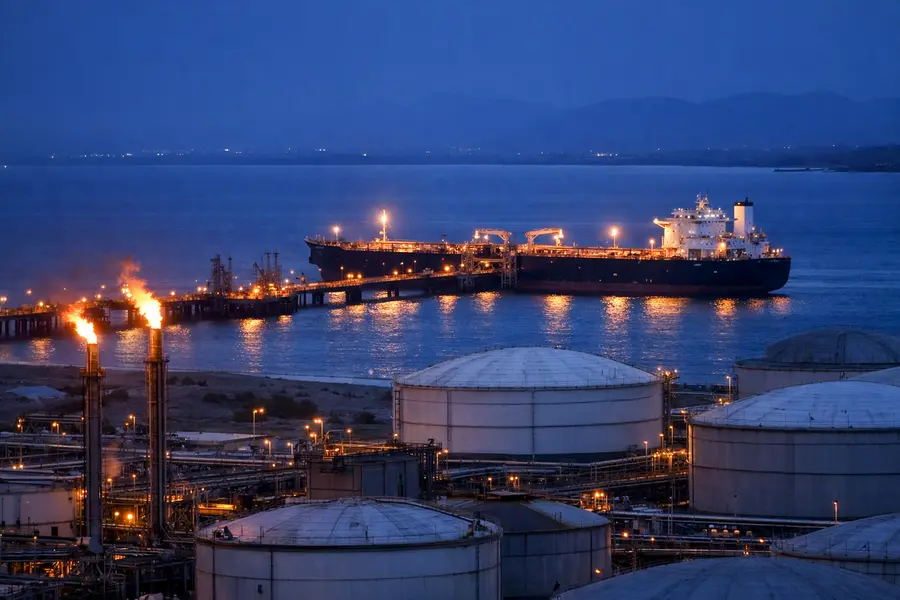
Oil markets have so far shown limited sensitivity to the bomber move itself. Brent crude traded near $100.84 a barrel on Oct. 6, up about 0.5% on the day. The benchmark peaked near $118 in late March, fell to around $70 by July 1, then returned above $100 as attacks on shipping and energy infrastructure resumed in September.
Traders are focused on two channels. A reduced U.S. strike tempo could ease pressure on Iranian missile and naval assets near Hormuz, which carries a large share of seaborne crude. Conversely, any evidence of Iranian-directed operations in Europe would widen the conflict's geography and add a risk premium. The next 3 to 12 months depend on whether the investigation establishes state involvement and whether other European bases face similar threats.
Outlook
The Fairford withdrawal removes a forward bomber base from the Iran campaign and puts the UK's role in the war under scrutiny. The investigation into the Sept. 27 incident and the London arrest continue, and no charges tied to state involvement have been announced. Iran denies any part. Oil near $100 a barrel shows markets pricing continued disruption risk rather than a shift in the conflict.
Mentioned tickers: N/A