Pomegra
Amazon Web Services posted $42.2B in Q2 2026, up 37% year-over-year—the fastest expansion in 18 quarters—driven by surging demand for AI infrastructure and cloud computing.
- AWS Q2 2026 revenue reached $42.2 billion, topping the $40.54B analyst consensus and far exceeding projected 31% growth.
- Growth accelerated for a fifth straight quarter, climbing from 17% in Q2 2025 to 37%—the fastest pace since Q4 2021.
- AWS operating income rose to $16.6 billion at a 39.4% margin; total Amazon net sales hit $200.6 billion.
Lead
Amazon.com (AMZN) reported second-quarter 2026 results on July 30, with its Amazon Web Services cloud division delivering $42.2 billion in revenue—a 37% year-over-year increase that marked the unit's strongest growth rate since the fourth quarter of 2021. The figure gave AWS an annualized revenue run rate of $169 billion and surpassed Wall Street's consensus estimate of $40.54 billion by roughly $1.7 billion. The beat capped five consecutive quarters of accelerating growth and propelled Amazon's total Q2 net sales to $200.6 billion, up 20% from $167.7 billion in the same period a year earlier.What Happened
The AWS growth trajectory has steepened sharply over the past five quarters. After registering 17% year-over-year expansion in Q2 2025, the division posted successive readings of 20%, 24%, and 28% before the 37% print in Q2 2026. The pace now matches levels last seen when cloud computing demand surged during the pandemic-driven digital acceleration of 2021.
AWS operating income climbed to $16.6 billion from $10.2 billion a year earlier, with the operating margin expanding 6.5 percentage points to 39.4%. Amazon's consolidated operating income rose 43% to $27.5 billion. Adjusted earnings per share reached $1.97, ahead of the $1.82 consensus.
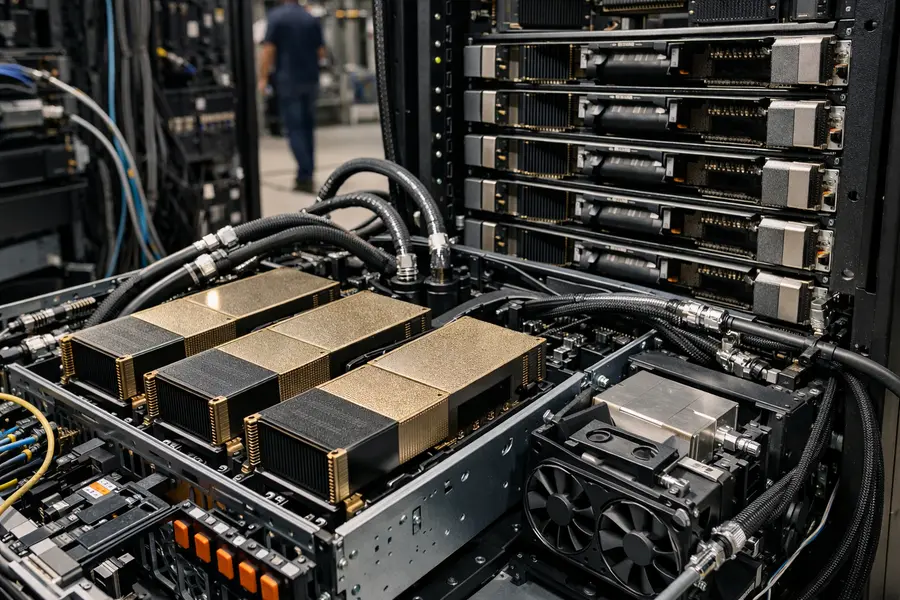
The division's contracted backlog—work signed but not yet recognized as revenue—reached $496 billion, a figure that implies multi-year demand well in excess of current aws cloud servers capacity.
Market Reaction
Shares of Amazon surged more than 10% in extended trading following the earnings release, as investors focused on the scale of the AWS beat relative to analyst models that had priced in 31% growth. The gap between actual and expected growth—roughly six percentage points—was wide enough to signal a structural demand shift rather than a one-quarter anomaly.
Strategic Context
Amazon's management has attributed the acceleration to two reinforcing forces: the normalization of enterprise cloud migration after a prolonged optimization cycle that suppressed growth in 2023 and early 2024, and the rapid scaling of AI workloads onto amazon web services infrastructure.
CEO Andy Jassy disclosed that both AWS's artificial intelligence business and its custom semiconductor (chips) business individually surpassed annualized run rates of more than $25 billion during the quarter—figures that, until recently, were treated as medium-term aspirations. The convergence of cloud and AI spend on a single platform has compressed the timeline materially.
Capital expenditure commitments reflect the magnitude of the demand signal. Amazon now expects total capital spending to reach $220 billion in 2026, an increase from prior guidance, driven almost entirely by investment in AI infrastructure and aws cloud servers capacity expansion.
AI and Technology Angle
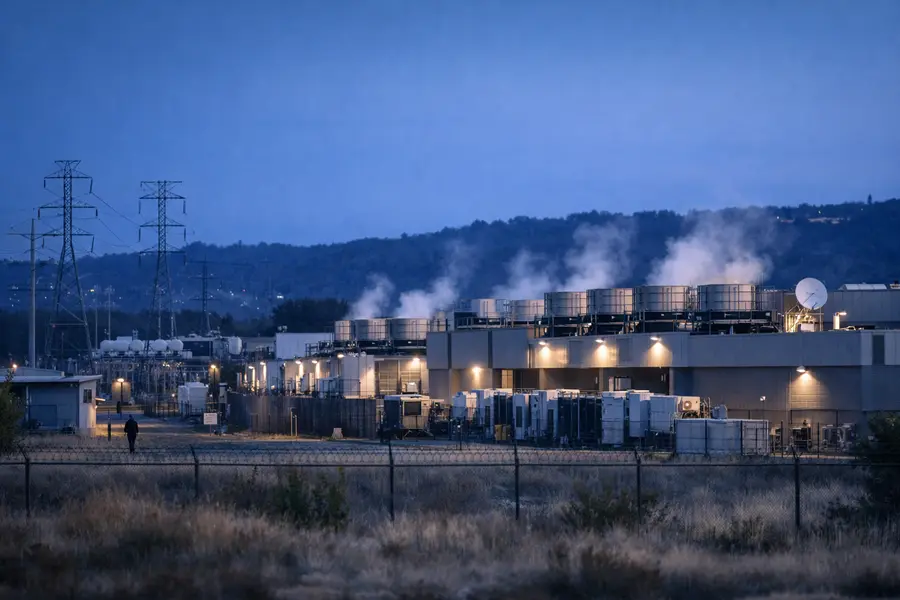
The $496 billion backlog is the most concrete evidence that AI-driven enterprise demand is outpacing AWS's ability to bring capacity online. Data center construction, power procurement, and custom silicon lead times are all running ahead of historical norms, creating a gap between contracted work and available supply. Management has indicated that capacity constraints are the primary factor moderating near-term revenue recognition, not demand.
AWS's custom chip portfolio—Trainium for training and Inferentia for inference—has emerged as both a cost differentiator for customers and a margin lever for the division. As enterprises shift AI workloads from GPU-heavy training runs toward continuous inference at scale, AWS's vertically integrated silicon strategy positions it to capture a disproportionate share of recurring infrastructure spending.
What Comes Next
Amazon provided Q3 2026 net sales guidance of $159 billion to $164 billion, implying continued double-digit growth across the business. AWS capacity additions are expected to accelerate through the second half of the year as new data center regions come online.
Outlook
AWS's five-quarter acceleration to 37% growth resets expectations for what sustained cloud expansion looks like in an AI-infrastructure cycle. With a $496 billion backlog, a 39.4% operating margin, and AI and chips businesses each exceeding $25 billion in annualized run rates, the division enters the second half of 2026 as the primary earnings driver for Amazon and a benchmark for the broader hyperscaler competitive landscape. The central constraint is no longer demand—it is the speed at which amazon web services can build and deliver capacity.