Pomegra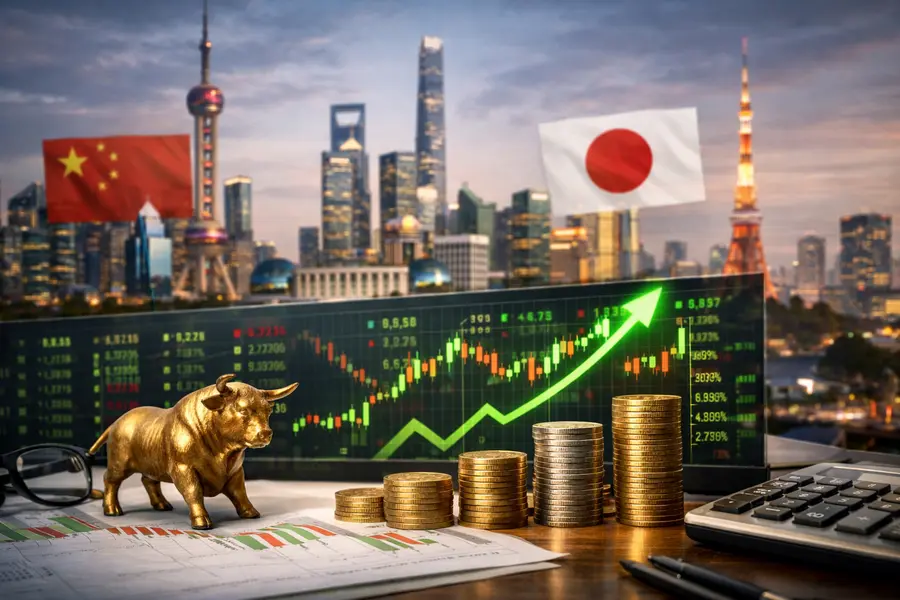
Asian equities posted broad gains in the week ended July 25, as cooling U.S. inflation data reduced the probability of imminent Federal Reserve tightening, while investors tracked divergent central bank signals across Tokyo, Beijing, and Hong Kong.
- Japan's Nikkei 225 climbed 3.26% to 66,232 over the week, leading regional gains as yen volatility stabilized.
- Hang Seng rose 1.3% to close near 25,211 Thursday, lifted by a rebound in Hong Kong technology shares.
- U.S. June core CPI printed at 2.6% year-on-year, dialing back Fed hike odds to roughly 13% for July.
Lead
Asian equity markets extended gains through the final week of July 2026, with Japan's Nikkei 225 rising 3.26% to 66,232.19 and Hong Kong's Hang Seng advancing 1.3% to approximately 25,211, as a softer-than-expected U.S. inflation print for June eased pressure on global central banks to resume aggressive tightening. The moves reflected a recalibration of rate-hike expectations that had weighed on Asian risk assets for much of the spring.
What Happened
The catalyst for the week's rally was the U.S. Bureau of Labor Statistics' June consumer price report, which showed headline CPI easing to 3.5% year-on-year from 4.2% in May, largely on lower energy costs. Core CPI, which strips out food and energy, held at 2.6% — below consensus forecasts of 2.8%. The release sent CME FedWatch pricing for a July Federal Reserve rate hike to approximately 13%, down sharply from above 30% earlier in the month.
In Tokyo, the Nikkei 225 was the standout performer among major Asian benchmarks, bolstered by a stabilizing yen and improving export sentiment. Japan's TOPIX rose in tandem, adding 2.44% to 4,014.95. The Shanghai Composite posted a more measured 1.79% gain to 3,864.37, as investors balanced optimism over global rate stability against a domestic growth deceleration — China's economy expanded at a 4.3% annualized pace in the April-June quarter, down from 5.0% in the first three months of the year.
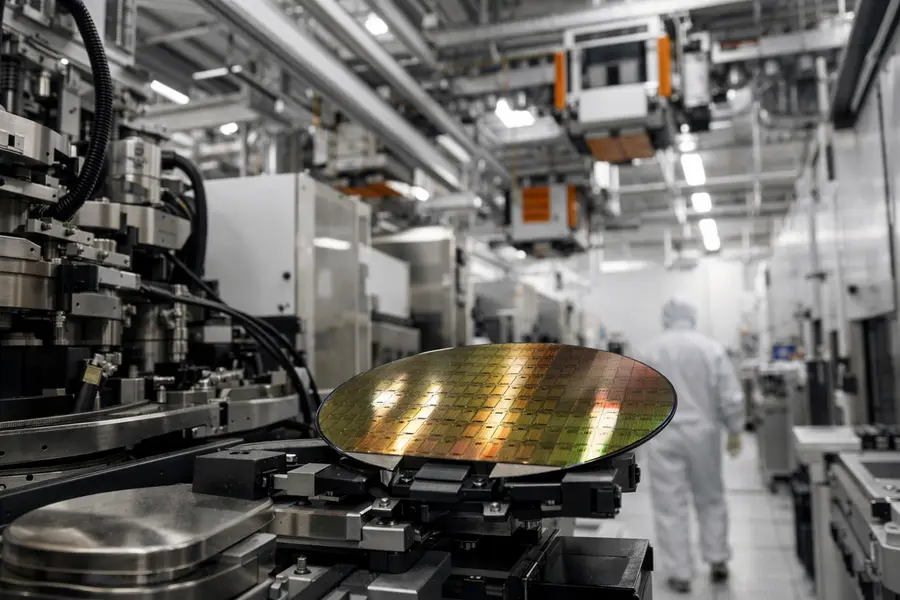
South Korea's Kospi remained a regional outperformer over the broader monthly frame, having surged more than 6% as semiconductor stocks recovered from a prior sell-off.
Market Reaction
The Hang Seng recovery was particularly notable. After opening the week near flat, the Hong Kong benchmark added 1.3% — approximately 318 points — on Thursday as technology-sector buying accelerated. Investors in the market had been sensitive to uncertainty surrounding both U.S. monetary policy and the Bank of Japan's policy trajectory following its historic rate increase to 1.0% in June — the highest level since 1995.
Broader Asian market news reflected the same dynamic: a softening in forward rate expectations allowed equity multiples to expand modestly, especially in rate-sensitive sectors such as real estate and technology across the region.
Inflation Backdrop
Global inflation fears have been a defining theme in markets since early 2026, driven by Middle East energy disruptions and residual goods-price stickiness. J.P. Morgan Global Research projects global inflation will average 4.0% in 2026 before easing to 3.7% in 2027, up from 3.4% in 2025 — a trajectory that has kept central banks on alert even as month-to-month prints have softened.The divergence between core CPI (2.6% year-on-year) and core PPI (5.1% year-on-year) in the United States is a source of ongoing concern. The gap suggests that upstream cost pressures remain elevated, and that the June CPI softening may partly reflect margins absorbing costs rather than genuine demand cooling.
Central Bank Divergence
The backdrop of central bank rate hikes has fractured into distinct regional stories. The Federal Reserve holds its benchmark at 3.50%–3.75%, and markets now assign an 86.7% probability to an unchanged decision at the July meeting. Fed committee projections remain split, however, with roughly half of policymakers penciling in at least one additional hike before year-end.
The Bank of Japan presents a structurally different calculus. After raising its policy rate to 1.0% in June — a generational shift for an institution that held near-zero rates for decades — the BoJ is expected to pause at its upcoming meeting while it assesses whether inflation expectations are durably anchored. Any resumption of BoJ tightening carries outsized implications for global capital flows, as Japanese institutional investors hold substantial positions in overseas assets that could be repatriated if domestic yields rise further.
The European Central Bank resumed tightening in June, lifting its deposit rate 25 basis points to 2.25% after revising its inflation forecasts higher. Markets see limited probability of a second consecutive ECB hike in July.
Geopolitical and Energy Dimension
Energy markets remain a fault line beneath the surface calm. Asia is disproportionately exposed to crude oil transiting the Strait of Hormuz, and persistent tensions in the Middle East have kept supply-risk premiums embedded in Brent crude. Any renewed escalation capable of disrupting shipments would reignite global inflation fears and force central banks — particularly those in oil-importing Asian economies — to reassess their policy stances.
Indonesia's central bank has already moved proactively, raising its benchmark rate beyond market expectations in May 2026 to defend currency stability and contain imported inflation. The move reverberated across Southeast Asia, prompting investors to reassess inflation risk, currency pressure, and economic resilience across the region.