Pomegra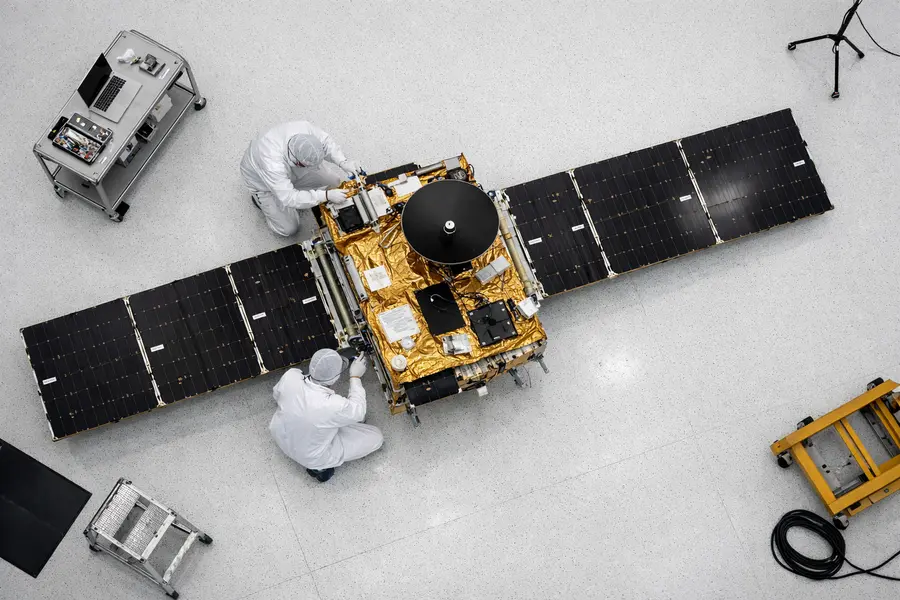
Satellite manufacturer Muon Space closes a $250 million Series C led by Eclipse Capital, with Google and Salesforce Ventures aboard, targeting 500 satellites per year by 2027 from its San Jose plant.
- Eclipse Capital led the round; Google, Salesforce Ventures, Wellington Management, and Toyota's Woven Capital also participated.
- Muon's San Jose manufacturing facility is targeting 500 small satellites annually by 2027 - up from 11 currently on orbit.
- Total equity raised surpasses $386 million since the company's 2021 founding.
Lead
Muon Space closed a $250 million Series C on August 20, 2026, valuing the San Jose-based satellite manufacturer at $1.5 billion. Eclipse Capital led the round, with Google, Salesforce Ventures, Wellington Management, Galvanize, I Squared Capital, and Toyota's Woven Capital joining as new investors. Existing backers Radical Ventures, Congruent Ventures, Costanoa Ventures, and several others also participated. The raise pushes Muon's total equity funding past $386 million in under five years of operation.
What Does Muon Space Actually Build?
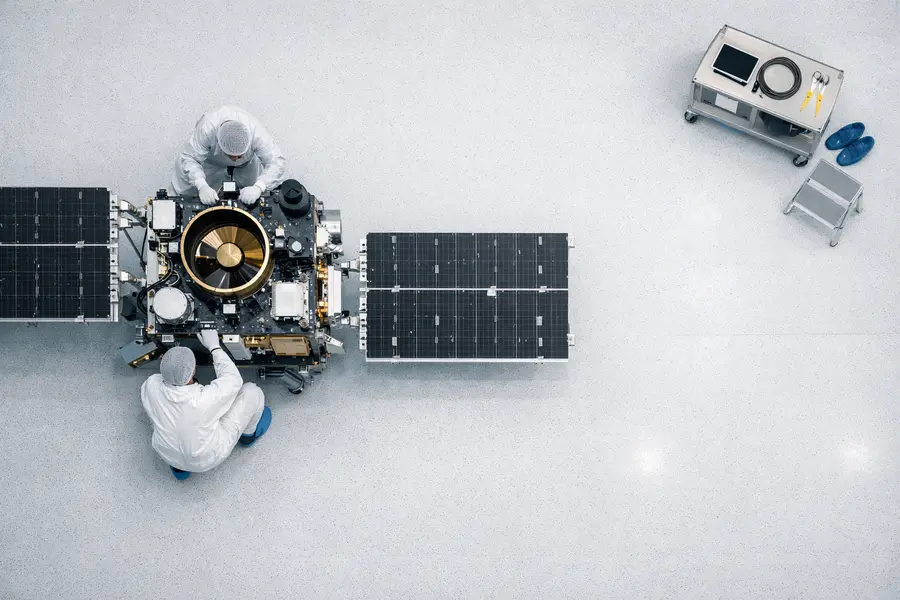
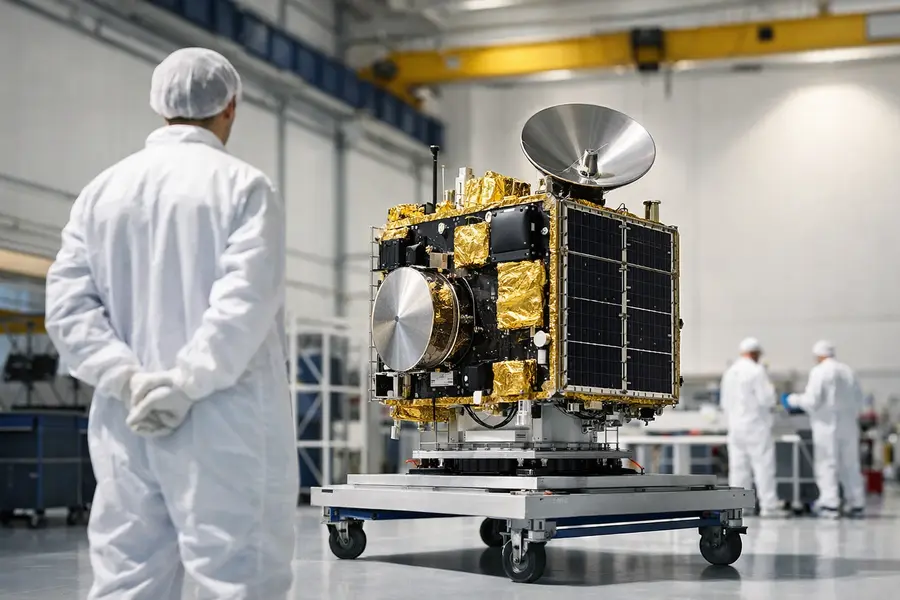
Muon designs and manufactures small satellites end-to-end, then operates them in custom constellations for defense, civil, and commercial customers. The company does not sell satellites as hardware products - it sells data and sensing services as a managed offering, handling everything from design through on-orbit operation. With 11 satellites currently deployed and a claimed 100 percent mission success rate, its early track record is the primary sales argument to institutional customers.
The company launched seven of those 11 satellites in the first half of 2026 alone, a rate that signals it is moving from prototype to production cadence. Its current backlog includes more than 50 satellites under contract, spanning national security, Earth observation, and commercial communications segments.
Why Is a $1.5 Billion Valuation Significant Here?
The valuation implies a substantial step up from Muon's prior financing rounds, and the investor composition offers some signal about where the capital is going. Google and Salesforce Ventures are not generalist space investors - their participation points toward anticipated commercial data services and enterprise infrastructure demand, not just government contracts. Wellington Management and I Squared Capital bring institutional depth that typically accompanies companies approaching large capital expenditure cycles, such as factory expansion.
For context, the $1.5 billion figure values Muon at roughly 4x its total equity raised to date. That multiple is sustainable only if the company executes on manufacturing volume. The 500-satellites-per-year target by 2027 is the central assumption the round is priced against.
Strategic Context
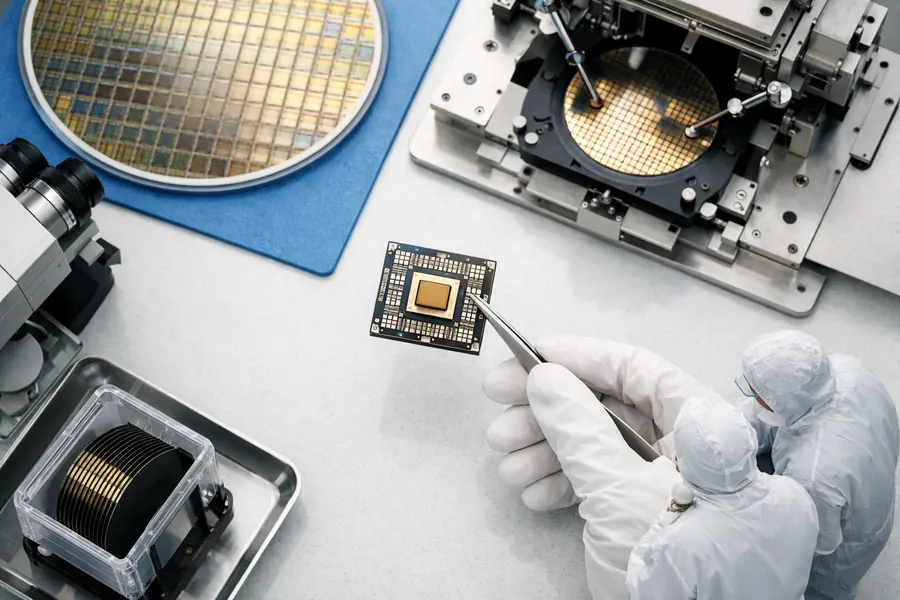
Small satellite manufacturing is a competitive field. Established players and well-funded startups alike are targeting government constellation programs, particularly for resilient space architecture initiatives driven by Pentagon demand for proliferated low-Earth orbit networks. Muon's differentiation is vertical integration - owning the full stack from hardware fabrication through orbital operations - which reduces delivery risk for customers who would otherwise manage multiple vendors.
The San Jose facility expansion is the concrete use of proceeds. Muon's current output rate is well below 500 per year, and closing that gap in 18 months requires sustained capital deployment into tooling, workforce, and supply chain. The round size suggests the company sized the raise to cover that build-out with margin.
What Does This Round Imply About the Satellite Market?
The broader inference is that institutional capital now views commercial satellite infrastructure as a durable business rather than a venture bet. Wellington Management and I Squared, both infrastructure-oriented investors, do not typically appear in seed or Series A rounds for unproven platforms. Their presence at Series C suggests Muon's contract backlog and mission track record cleared the bar for infrastructure-style underwriting.
Demand-side dynamics are supporting the thesis. Government customers are accelerating procurement of proliferated satellite constellations for reconnaissance, communications resilience, and climate monitoring. Commercial demand for Earth observation and signal intelligence data is also growing, driven in part by enterprise analytics applications - which may explain Google's strategic interest.
Outlook
Muon Space now has the capital to attempt what it has pitched: an industrial-scale satellite factory producing at a rate that would place it among the highest-volume manufacturers in the small satellite segment. The $1.5 billion valuation is a bet that contract volume materializes fast enough to justify the production investment.
Two variables will determine whether the round looks prescient or overpriced by late 2027 - whether the San Jose facility reaches its 500-per-year target, and whether Muon converts its current 50-satellite backlog into a larger recurring order pipeline. The investor mix suggests confidence on both counts. The manufacturing timeline will tell.