Pomegra
Finland's Intergrid has secured €23.5M in total funding, led by Kvanted and Tesi, to take its Autopilot energy software across European industry.
Key Takeaways
- Intergrid announced €23.5M in total funding on November 16, 2026, led by Kvanted and Tesi.
- The package includes €2.7M from Business Finland and an EU-guaranteed Finnvera loan.
- Valuation, the equity portion and revenue are undisclosed.
Lead
Intergrid, a Helsinki-based energy software company founded in 2023, announced €23.5M in total funding on November 16, 2026. Nordic industrial technology fund Kvanted and Finnish state-owned investor Tesi led the round. Existing backers True Ventures, Lifeline Ventures and First Fellow Partners also took part. The company will use the money to expand beyond Finland into other European industrial markets.
What Does Intergrid Actually Sell?
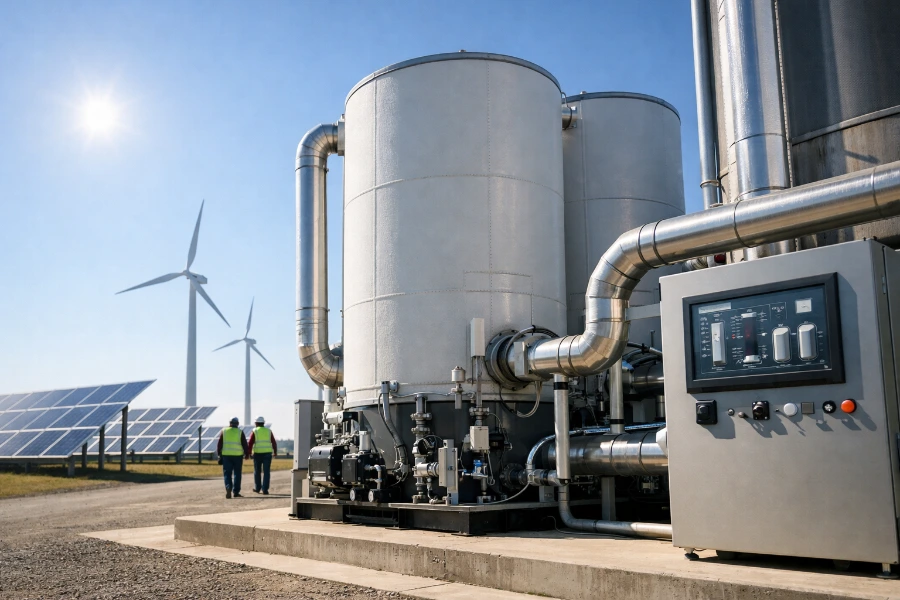
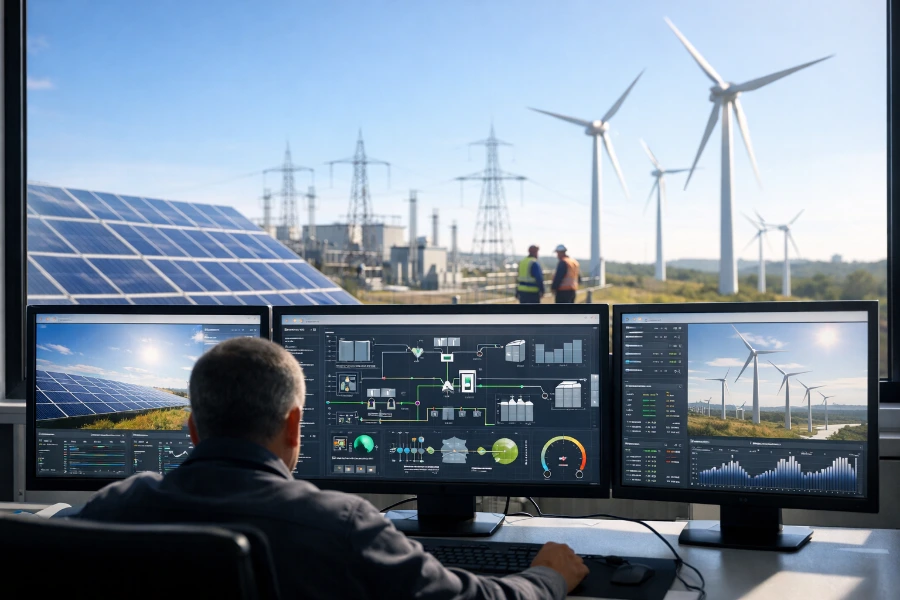
Intergrid sells Autopilot, software that runs industrial energy systems without constant human control. It manages hybrid setups of boilers, heat pumps, storage and grid connections, and it trades on electricity markets around the clock. The company says customers typically cut energy costs by a double-digit percentage. It also says the software reduces manual workload and emissions.
The system combines rule-based control logic with machine learning layers. CEO Olli Kangas has described the product as "a self-driving car for factories." He has also separated the company from tool vendors: "We will not sell you a tool, but we will do the work."
Intergrid reports more than 100 industrial sites on the platform across Finland and other European countries. They span food production, district heating and greenhouse horticulture. Named customers include Snellman, Atria, Lindström and Vatajankoski. The team numbers more than 40 people.
How Is the €23.5M Structured?
The €23.5M is a cumulative figure, not a single equity cheque. It includes €2.7M in support from Business Finland and an EU-guaranteed loan from Finnvera. Some outlets label the round a Series A, but the company and Tesi do not state a stage. Neither the equity portion nor the valuation has been disclosed.
That gap matters. A headline that blends grants, guaranteed debt and venture equity makes the round look larger than the equity alone. Investors and founders reading it should treat €23.5M as a capital-stack total, not a priced-round benchmark.
Why Does the Investor Mix Matter?
The investor list shows a company with both private and state backing. Tesi is making its first investment in Intergrid, and its director Heli Kerminen called the company "an excellent example of a Finnish technology company that seizes opportunities of the energy transition." Tesi's mandate centers on growth and internationalisation of Finnish firms, which fits the stated European expansion plan.
Kvanted's presence points to an industrial thesis. The fund backs software that sits close to physical operations, where switching costs run high once a system controls real equipment. True Ventures and Lifeline returning suggests the earlier backers were satisfied enough to stay in.
How Does Intergrid Compete?
Industrial energy optimization draws incumbents and startups. Large automation vendors bundle control software with hardware, and energy traders offer market access without plant-level control. Intergrid's pitch sits between them: it takes over operation and market participation for the customer. That is a services-heavy promise, and it raises a fair question about how fast the model scales without proportional headcount growth.
The company has not disclosed revenue, contract length or churn. A base of 100 sites in roughly three years is a credible adoption figure, but it says little about revenue per site. Food processors and district heating operators have large, flexible loads, which suits the product. Customers with smaller or less flexible loads may see smaller savings.
What Comes Next?
Expansion into new European markets is the stated priority. Each country brings its own electricity market rules, balancing mechanisms and tariff structures, so Autopilot must be adapted market by market. Growing price volatility on European power markets, driven by wind and solar output, raises the value of automated flexibility. It also attracts competitors.
The main test is whether Intergrid can repeat its Finnish results in markets where it lacks local relationships. A priced equity round at a disclosed valuation would give a clearer read on investor confidence.
Outlook
Intergrid has funding, state-linked backing and more than 100 live sites, but the €23.5M headline mixes equity, a guaranteed loan and public support. The next 12 to 18 months should show whether the autonomous-operations model travels beyond Finland and whether the savings claims hold up at larger scale.