Pomegra
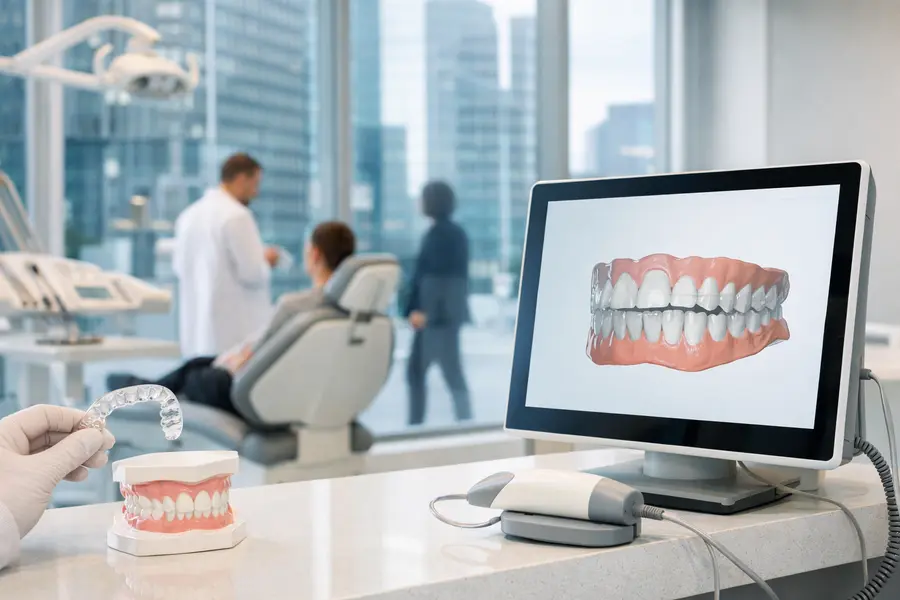
Barcelona orthodontics chain Impress secured a €40M European Investment Bank venture debt loan to fund AI tools and expansion into Germany and the Netherlands.
Key Takeaways
- Impress signed a €40M venture debt loan with the European Investment Bank in late October 2026. It is not an equity round.
- The company reports €103M revenue for 2025 and targets €145M in 2026, about 40% growth.
- Valuation is undisclosed. The last equity round was a $125M Series B in July 2022.
Lead
Impress, the Barcelona-based digital orthodontics network, has signed a €40M venture debt loan with the European Investment Bank (EIB), announced on October 27-28, 2026. The company will put the money into its in-house AI platform and into expansion across Central and Northern Europe, with Germany and the Netherlands the stated priorities. Headlines have called the deal a €40M raise, but it is a loan, not new shares sold to investors.
What Is the Structure of the Impress Deal?
The €40M is venture debt, which pairs conventional interest with a payment tied to growth in the company's value. That second component works like an equity kicker, so the EIB shares some of the upside without taking a board seat or a stated stake. The EIB has not published pricing, maturity or warrant terms, and Impress has not disclosed a valuation.
Borrowing rather than issuing equity tells its own story. Impress's last equity round, a $125M (about €123M) Series B in July 2022, came with LBO France, Norgine Ventures and Claret Capital Partners joining existing backers, including Mubadala. The company says it has raised about €280M in total from more than 20 investors. More than four years without a priced round suggests management preferred to avoid selling shares at current terms, or that the business now generates enough revenue to carry debt.
How Big Is Impress Today?
Impress operates more than 110 clinics, 22 of them in Spain, and says it has treated over 500,000 patients across 10 countries in Europe and the US. Founded in 2019 by Vladimir Lupenko, Diliara Lupenko and orthodontist Khaled Kasem, it sells invisible aligners through its own clinics, not through third-party dentists.
The company reports revenue of €103M in 2025 and forecasts €145M for 2026. Those are company figures, and profitability has not been disclosed. Southern Europe, mainly Spain, Portugal and Italy, remains its core market.
What Will the Money Pay For?
The funds are split between technology and geography. On the technology side, Impress plans to deepen a proprietary platform that manages the patient journey from first scan to final retainer. The platform includes 3D intraoral scanning, a smile simulator that previews results in seconds, and a mobile app for remote monitoring. The company claims the system cuts in-person visits by 80% and raises clinic efficiency tenfold; neither figure has been independently verified.
On the geography side, the target is markets where orthodontic care is fragmented and traditional methods dominate. Germany and the Netherlands lead the list. The company has also signaled a later move into the United States, though the Spanish press describes that step as coming after the European build-out.
Why Does the EIB Back a Clinic Chain?
The EIB funds technology and innovation projects across the EU, and Impress qualifies because the loan is earmarked for AI and platform development, not clinic leases. That framing matters. A chain of physical clinics is capital-intensive, and venture debt that is nominally for software can free internal cash for site openings.
The EIB's involvement also adds a public-sector stamp of approval that private lenders may weigh. It offers no guarantee of performance, though. Clear-aligner groups have struggled with unit economics and regulatory scrutiny elsewhere, and Impress will need to show that a new German clinic reaches break-even faster than its predecessors in Southern Europe.
What Comes Next for Impress?
The next test is execution in Northern Europe. German patients tend to rely on established dental practices, and local competitors and global aligner brands already hold ground there. Impress will need to prove its clinic-first model travels beyond Mediterranean markets.
A priced equity round or an IPO would show whether investors accept the growth story at a valuation the company likes. Until then, the debt gives Impress runway but adds repayment obligations that rise if revenue misses the €145M target.
Outlook
Impress has secured €40M in non-dilutive financing to scale its AI platform and enter Germany and the Netherlands, backed by €103M in 2025 revenue and a 2026 forecast of €145M. The structure signals confidence in cash flow and caution about equity pricing. Clinic openings in Northern Europe over the next year will show whether the model holds up outside its home region.