Pomegra
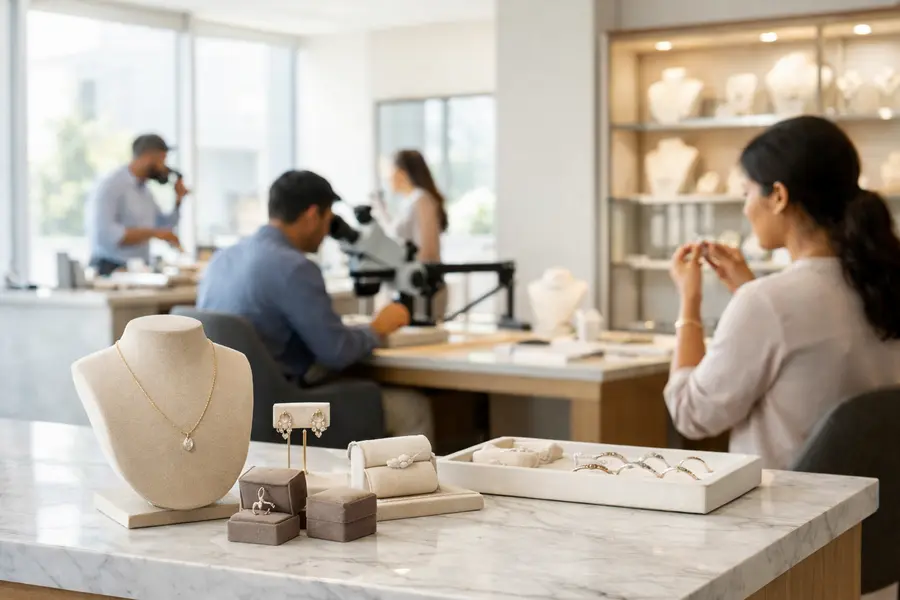
GIVA, the Bengaluru jewellery brand, has raised over $100 million led by Multiples PE, funding 160 new stores and a push into smaller Indian cities.
Key Takeaways
- GIVA raised over $100 million (₹975 crore) in a round led by Multiples Alternate Asset Management.
- Epiq Capital and Edelweiss Discovery Fund also joined; India Quotient and Sixth Sense Ventures partly exited.
- Pre-deal reports put the valuation near ₹6,000 crore (about $815 million). GIVA has not confirmed it.
Lead
GIVA, a Bengaluru-based jewellery brand founded in 2019, has raised over $100 million (₹975 crore) in a round led by India-focused private equity firm Multiples Alternate Asset Management, announced in November 2026. Existing backers Epiq Capital and Edelweiss Discovery Fund also participated. Multiples gets a board seat.
The deal mixes primary capital, secondary sales and the company's seventh ESOP buyback. It is the largest investment yet in India's new-age jewellery market.
What Does the Round Consist Of?
The round combines fresh money for the company with cash paid to existing holders. The primary portion will go to marketing, operations in metro cities, expansion into tier 2 and tier 3 towns, and hiring. GIVA has not disclosed the split between primary and secondary capital.
The secondary side matters for reading the headline figure. Early investors India Quotient and Sixth Sense Ventures partly exited, and the ESOP buyback will pay out around 50 to 60 employees. Part of the $100 million is therefore liquidity for earlier holders and staff, not growth capital.
What Is GIVA's Valuation?
GIVA has not disclosed the valuation. Earlier reports of the negotiation said Multiples was nearing a stake worth $80 million to $100 million at a value of roughly ₹6,000 crore, or about $815 million. The final terms were not confirmed in the announcement.
That figure compares with an estimated $423 million in mid-2025, which would make the implied step-up close to double in about a year. It is consistent with the revenue trajectory: GIVA reported ₹518 crore in FY25 revenue, up 89% from the prior year. An $815 million valuation on that base is roughly 13 to 14 times trailing revenue, a rich multiple for a business selling mostly silver and lab-grown diamond pieces at modest ticket sizes.
How Is GIVA Planning to Spend It?
GIVA plans to open 160 stores this financial year, adding to a network of around 425. The brand started online and has moved steadily into physical retail, where jewellery buyers typically want to handle the product before paying.
The product range spans 92.5 silver, gold and lab-grown diamond jewellery. The company targets everyday wear and gifting, a segment distinct from the wedding-led purchases that anchor traditional jewellers such as Tanishq or Kalyan. Selling lighter, lower-priced pieces to younger buyers is the thesis that investors are paying for.
Why Does Multiples Want In?
Multiples is backing a category where online-born brands are converting into omnichannel chains, and where a founder-led business has grown revenue at close to double its prior-year pace. The firm is taking a board seat rather than a passive stake, which signals an expectation of involvement in the store rollout.
The risks are specific. Store expansion at 160 outlets a year raises fixed costs and inventory needs before the new locations mature. Silver and gold price volatility affects both margins and demand. Profitability figures were not part of the announcement, so the path from 89% growth to sustained earnings remains unstated.
What Comes Next for GIVA?
Next comes execution of the store plan. The tier 2 and tier 3 push will test whether a brand built on digital marketing in metros can hold its unit economics in smaller markets, where local jewellers have long-standing customer relationships.
If the rollout lands, a further round or an IPO becomes a reasonable next step for a company at this scale. If same-store sales soften as the network grows, the ₹6,000 crore reference point will look generous.
Outlook
GIVA's $100 million-plus round is a large vote of confidence in affordable, design-led jewellery in India, but a meaningful portion goes to early investors and employees rather than the business. The valuation is unconfirmed, the growth is fast, and the 160-store plan is the first real measure of the new capital's return.