Pomegra
Copenhagen-based Biograil has secured €20 million to move its capsule-based drug-delivery device toward Phase 1 trials, aiming to replace injections for biologic drugs.
Key Takeaways
- Biograil raised €20M on November 4, 2026, co-led by Verve Ventures and Megatrend Invest; valuation undisclosed.
- Funds go to GLP studies and GMP manufacturing ahead of Phase 1 trials for its BIONDD capsule device.
- Eli Lilly, Evonik Venture Capital and Roquette Ventures are existing backers; a larger round is planned for 2027.
Lead
Biograil, a Copenhagen-based medtech and biotech company, announced a €20 million financing round on November 4, 2026. Verve Ventures and Megatrend Invest led the round. Existing investor High-Tech Gründerfonds (HTGF) also took part, through its Opportunity growth fund. The company did not disclose a valuation or the round's formal stage.
The money is meant to carry Biograil's BIONDD device through the preparatory work for first-in-human testing. Founded in 2019, the company is trying to turn drugs that today need a needle into something a patient can swallow.
What Does Biograil's BIONDD Device Do?
BIONDD is an oral delivery device packed inside a standard-sized capsule, built to deliver biologics and other injectable drugs into the wall of the stomach. Biologics are large molecules that stomach acid and enzymes normally destroy, which is why most are given by injection or infusion.
The device is made by injection moulding and, once it has released its payload, is bio-compostable and passes through the gastrointestinal tract. Biograil has not published human data. The approach competes with other efforts to carry large molecules across the gut lining, including permeation-enhancer tablets and mechanical capsule devices that inject drugs on contact with tissue.
What Will the €20 Million Pay For?
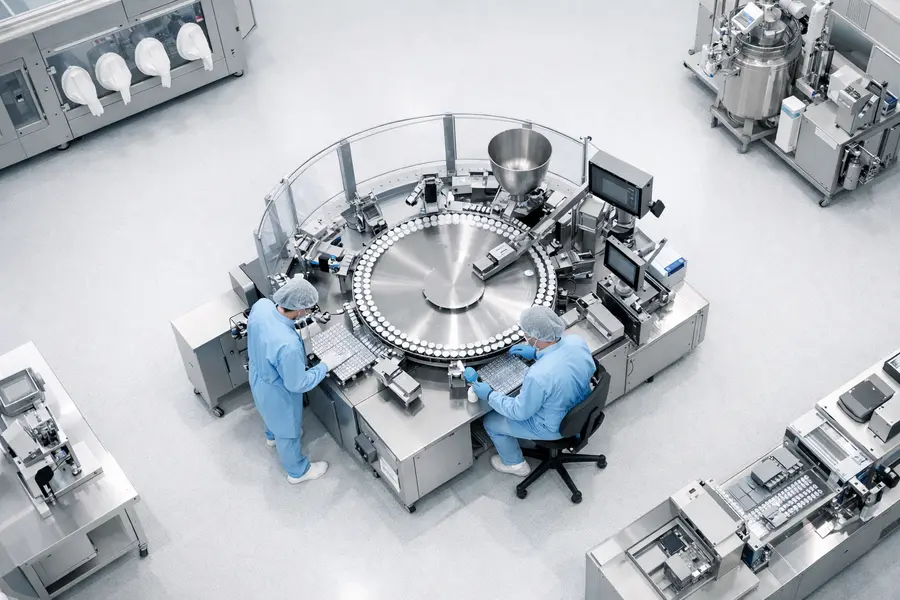
The funding covers non-clinical GLP studies and the establishment of a GMP manufacturing process, both prerequisites for a Phase 1 trial. In other words, the round does not fund the trial itself. CEO Karsten Lindhardt said the capital "will enable Biograil to continue to move our BIONDD technology toward Phase 1 clinical studies."
The company has also said it is preparing a larger financing round in 2027. That timing suggests the current €20 million is a bridge to the point where regulatory-grade safety data and a repeatable manufacturing process can be shown to later investors. Phase 1 costs, and the clinical evidence that would persuade a pharma partner, remain ahead.
Who Is Backing Biograil?
The investor list mixes venture funds with industrial strategics. Existing backers include Eli Lilly and Company, Sanner Ventures, Evonik Venture Capital, Anobis GmbH and Roquette Ventures. HTGF led the company's seed syndicate in 2019 and has now returned through its growth vehicle.
Anke Caßing, principal at HTGF, said the fund first invested in 2019 because it saw potential in the company's approach to oral drug delivery. A pharma company and two chemical and ingredient groups on the cap table point to interest in drug formulation and capsule manufacturing, though none has announced a licensing agreement with Biograil.
Why Does Oral Delivery of Biologics Matter Commercially?
Injectables carry cost and compliance burdens. Many biologics, including peptide therapies for metabolic disease, require regular needle administration, and patients often miss doses or discontinue. A capsule that works would widen the addressable patient base for existing molecules and give drug makers a way to extend product lifecycles. Lindhardt said the technology could allow oral delivery of large-market compounds "for better convenience and medical benefit."
The skeptical reading is straightforward. Oral delivery of large molecules has resisted solutions for decades, and bioavailability, dose consistency and manufacturing at scale have sunk many predecessors. A device that deposits drug into tissue has to prove it does so reliably across patients with different stomach conditions. Until Phase 1 data exists, the pitch rests on preclinical results and investor conviction.
What Does the Round Say About Biograil's Progress?
The round shows a company that is still pre-clinical and has been funded in stages since 2019. The size is modest for a drug-delivery platform entering GMP manufacturing, and the stated plan for a bigger raise in 2027 confirms this is not the final financing before clinical entry. Retaining Lilly and several industrial investors, rather than bringing in only new financial backers, signals that existing holders see enough to keep funding.
Outlook
Biograil now has the capital to complete GLP studies and build a GMP process for BIONDD, the two gates before a Phase 1 trial. The 2027 round will be the real test, because it will depend on whether the preparatory work produces data and a manufacturing route convincing enough for investors. If it does, the company could move into human testing; if not, the oral-biologics field's long record of setbacks will weigh on the next raise.