Pomegra
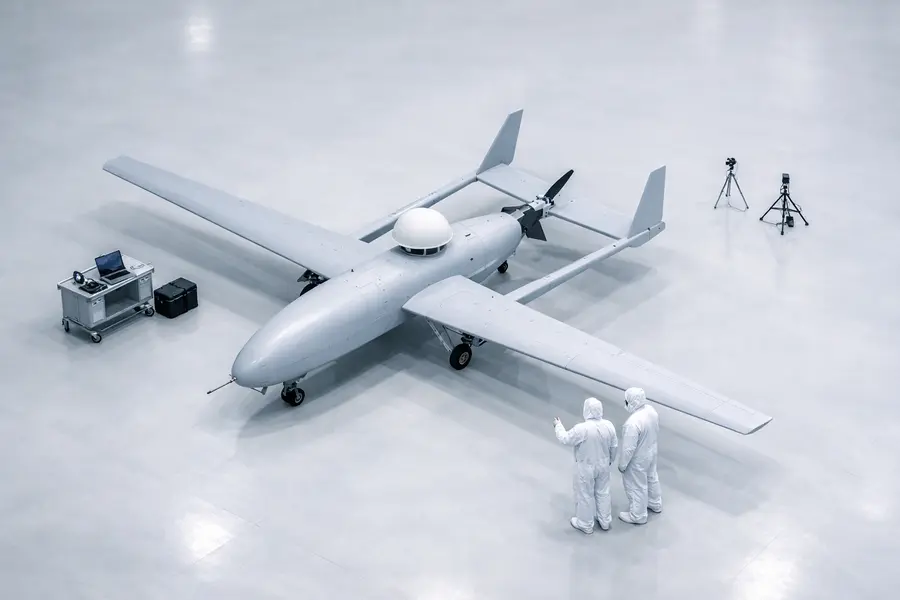
Ankara-based Arke Telekom raised €1M from ACT Venture Partners in 2026 to take its jam-resistant ArkeLink drone communications into international markets.
Key Takeaways
- Arke Telekom raised €1M from ACT Venture Partners on October 22, 2026; valuation was not disclosed.
- ArkeLink pairs software-defined radio with a self-healing mesh network for drones under electronic warfare.
- The company is in NATO's DIANA accelerator and plans to widen its product family beyond one drone type.
Lead
Arke Telekom, a communications developer based in Ankara, Turkey, has raised €1 million in an early venture round led by ACT Venture Partners. The announcement came on October 22, 2026. The company will spend the money on taking its ArkeLink product to international markets and on building variants for different unmanned systems.
The valuation, the round's formal stage label and any co-investors were not disclosed. Neither were revenue or customer names. For a defence-adjacent hardware company, that silence is common, and it leaves the size of the commercial traction an open question.
What Does Arke Telekom Actually Build?
Arke Telekom builds communication links for unmanned aerial vehicles that must keep working when someone is trying to stop them. Its ArkeLink technology combines software-defined radio with a self-forming, self-healing mesh network. When one link is jammed or lost, the network reroutes traffic along other paths instead of dropping the connection.
That addresses a specific failure mode. Drones operating near electronic warfare, signal jamming or satellite navigation disruption often lose the link to their operators or the GPS signal that guides them. A mesh that reconfigures itself reduces dependence on any single channel.
Co-founder and CTO Barış Karadeniz said networks must adapt to changing conditions, and described ArkeLink as a compact, scalable solution usable across different unmanned systems. The company's founders are CEO Dr. Saygun Önay and Karadeniz, with Dr. Tolga Numanoğlu listed as COO. The team's background is in tactical communications.
Who Backed the Round and Why?
ACT Venture Partners led the round, and its managing partner Erhan Z. Kılıçözlü pointed to a team that combines deep expertise in advanced communications with a record of delivering working technology. Önay, for his part, cited the investor's technical expertise, deeptech experience and international network as the draw.
The pitch is a familiar one for deeptech funds: a technically credentialed team, a product that already exists and a market where demand is visible. The cheque is small by defence-tech standards, where rounds for drone and autonomy startups regularly run into tens of millions. At €1M, the money buys product work and market entry, not manufacturing scale.
How Does NATO DIANA Fit In?
NATO DIANA gives Arke Telekom credibility and access that a seed cheque cannot. The company was selected for the Defence Innovation Accelerator for the North Atlantic, which provides testing facilities, industry partners and an international network. The 2026 cohort also brought Arke a €100,000 non-dilutive Phase 1 grant.
Those resources matter for a company selling into defence procurement. Buyers in allied countries typically want proof that a system works under realistic interference, and accelerator testing is one route to that evidence. It also eases the introduction to prime contractors that integrate third-party communications modules.
Where Will ArkeLink Be Used?
Defence is the primary market, but the company also names disaster response, search and rescue, public safety and critical infrastructure. Each of these needs drones that keep their links in congested or damaged radio environments, such as collapsed terrain or areas where cellular networks are down.
Selling across those segments widens the addressable base, though it also pulls the company in different directions. Defence customers want hardened, certified equipment and long procurement cycles, while public safety agencies tend to buy smaller volumes at lower price points.
What Comes Next for Arke Telekom?
The next test is conversion from accelerator selection and a seed round into paying international customers. Export of communications equipment with military applications brings licensing requirements, and a Turkish supplier entering NATO-aligned markets will need to clear them. The company has not said which regions it will target first.
A follow-on round is the likelier marker of progress. If Arke can show fielded units or signed contracts within the next year, a larger raise from a defence-focused fund becomes plausible. If it cannot, the €1M and the DIANA grant provide a limited runway for a hardware company.
Outlook
Arke Telekom's €1M round gives a small Turkish team the means to test whether jam-resistant mesh communications can sell beyond its home market. The technology targets a real operational problem, and the NATO DIANA place adds validation. Valuation, customers and revenue remain undisclosed, so the commercial case is still unproven.