Pomegra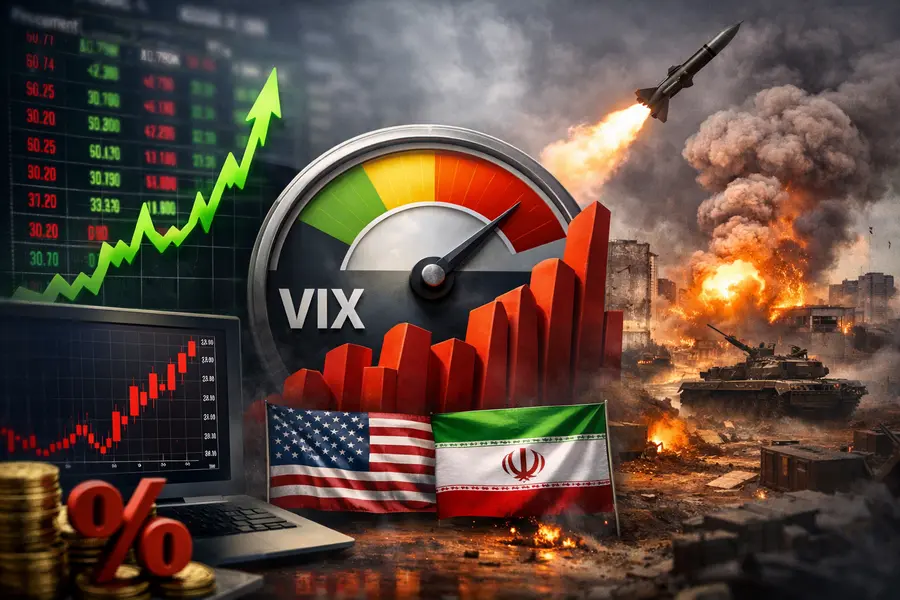
The Cboe Volatility Index jumped 16% on July 17 to its highest level in weeks as CENTCOM launched a seventh consecutive night of Iran strikes, pushing Brent crude above $85 a barrel.
- VIX spiked 16% on July 17, hitting a multi-week high as US-Iran ceasefire prospects darkened and American airstrikes on Iran entered a seventh consecutive night.
- Brent crude climbed above $85 a barrel; WTI rose 2.77% to $81.14 as Strait of Hormuz transits slumped to just 21 vessels.
- The S&P 500 shed 0.82%, led lower by semiconductors and technology stocks, while energy and utilities were the only sectors to advance.
Lead
NEW YORK, July 17, 2026 — The Cboe Volatility Index surged 16% on Thursday, reaching its highest reading in weeks, as US-Iran ceasefire prospects darkened following a seventh consecutive night of American airstrikes targeting Iranian maritime and logistics infrastructure. Brent crude climbed above $85 a barrel — more than 8% above its post-ceasefire lows — while the S&P 500 fell 0.82% and global equity markets retreated as investors repriced the odds of a renewed diplomatic settlement.
What Happened
CENTCOM forces struck coastal surveillance and air defense installations, military logistics hubs, and maritime assets across southern Iran overnight into Thursday, including an oil tanker near Iran's main export terminal at Kharg Island. At least three explosions were reported in and around Bandar Abbas, Iran's principal Hormuz port city. A bridge linking Bandar Abbas to Shiraz sustained damage following a confirmed strike. Iran responded with attacks on US military facilities in Kuwait and Jordan, prompting Kuwaiti armed forces to activate air-defense systems and issue public alerts. Three additional attacks off the coast of Oman were subsequently verified, bringing the total confirmed Strait of Hormuz incidents since early June to 56, with 17 seafarer fatalities recorded.The escalation marks a sharp reversal from June 17, when President Donald Trump and Iranian President Masoud Pezeshkian signed a 14-point memorandum of understanding to halt hostilities, reopen the Strait of Hormuz, lift the US naval blockade, and enter a 60-day window of nuclear and sanctions negotiations. The truce began fracturing almost immediately after Iran closed the strait again, citing Israeli military actions as a violation of the terms. Trump declared the ceasefire "over" on July 8.
Market Reaction
The VIX — the primary gauge of near-term market volatility — settled above 16 on July 17, reflecting a meaningful re-pricing of geopolitical risk premium after weeks of relative quiet following the June truce. The index had collapsed from a conflict-peak above 40 in early April, when oil prices exceeded $144 a barrel.
The S&P 500 fell 0.82%, dragged lower by semiconductor and technology names. The Dow Jones Industrial Average also declined. Energy and utilities were the session's sole outperformers, advancing as traders rotated into names leveraged to elevated crude prices.
Geopolitical Dimension
The collapse of the June accord reflects the structural fragility of a deal negotiated under military duress and never ratified through formal diplomatic channels. Both parties entered the ceasefire with competing definitions of compliance. Iran's decision to re-close the strait — citing Israeli actions rather than direct American provocation — introduced a third-party variable the agreement had not addressed.
Global investor sentiment has deteriorated with each successive round of strikes. The International Monetary Fund's July global growth forecast of 3.2% — itself an upgrade from earlier projections — is at growing risk as energy-importing economies absorb crude prices $25 to $30 above post-ceasefire expectations. Gulf Cooperation Council members, particularly Kuwait and the UAE, face direct exposure as Iranian retaliatory targeting widens beyond US military installations.Strait of Hormuz: The Chokepoint
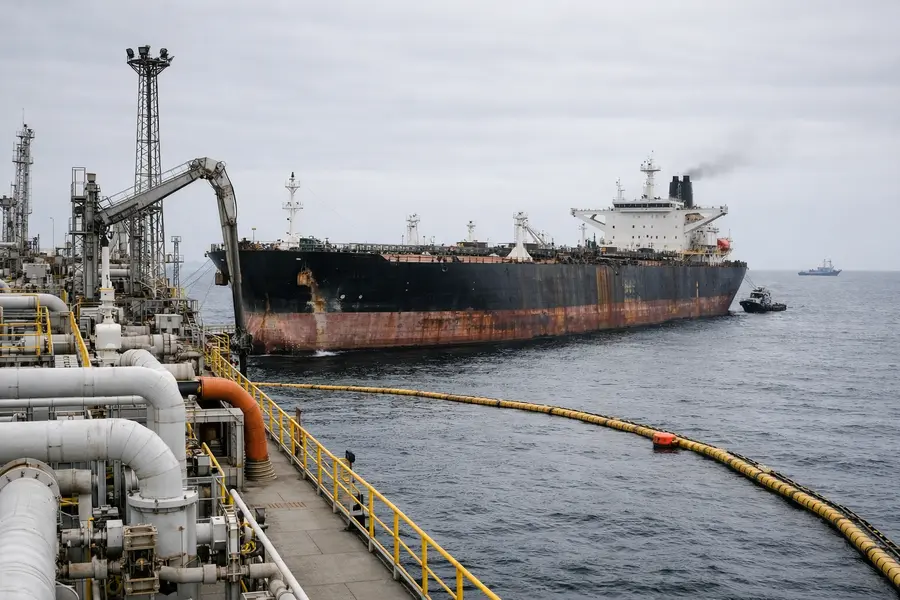
Shipping data provider Kpler recorded just 21 vessels transiting the strait on Thursday — a fraction of the 17 million to 20 million barrels of daily throughput that normally passes through under peacetime conditions. The strait also handles the bulk of Qatari liquefied natural gas exports and a significant share of Gulf petrochemical shipments.
Brent backwardation has remained wide since July 8, signaling persistent prompt-market tightness. Asia-Pacific importers — Japan, South Korea, and India — carry the sharpest Hormuz exposure relative to their strategic petroleum reserve capacity. The effective re-routing of tankers around the Cape of Good Hope adds roughly two weeks of transit time and has contributed directly to the 40% tanker rate surge.What Comes Next
Trump has pledged to intensify the US military campaign until Iran halts attacks on commercial shipping and reopens the strait unconditionally. Iran has signaled continued strikes against US assets across Gulf states. Diplomatic channels remain nominally open but show no active engagement.
Any expansion of Iranian strikes to include Saudi or UAE energy infrastructure would likely push Brent above $90 and return the VIX toward the 20–25 range last seen during the conflict's opening weeks.
Outlook
Thursday's VIX spike marks a shift in global investor sentiment from cautious optimism to active risk-off, reversing the relief trade that followed the June ceasefire. The index's trajectory from here hinges on two variables: whether CENTCOM strikes succeed in degrading Iran's ability to target commercial shipping, and whether any diplomatic back-channel can produce a more durable framework than the June memorandum. Absent a credible ceasefire structure, elevated volatility across crude, equities, and fixed-income markets appears likely to persist through the near term.