 Pomegra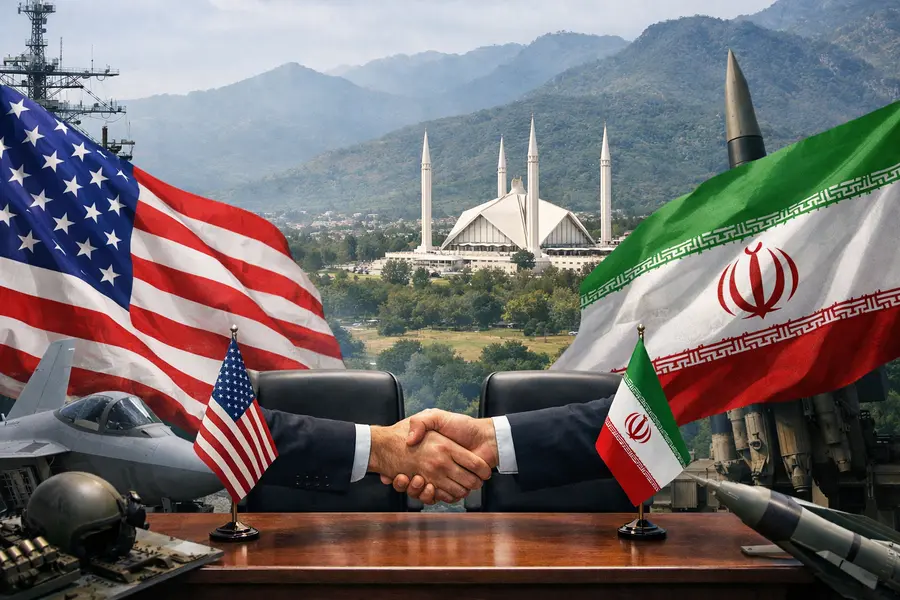
The US and Iran agreed to halt strikes on July 10 as Pakistan and Qatar mediate to restore peace talks after seven days of escalating attacks drove Brent crude to $78 per barrel.
- Iran struck three commercial vessels in the Strait of Hormuz on July 7, triggering U.S. retaliatory strikes on more than 90 Iranian targets over 48 hours.
- Brent crude surged 5.2% to $78.02 per barrel as exchanges intensified before easing on news of a diplomatic pause.
- Pakistan and Qatar are actively mediating to return both sides to the framework established by the June 17 Islamabad Memorandum.
Lead
ISLAMABAD / WASHINGTON — The United States and Iran have agreed to pause military operations as of July 10, 2026, as Pakistan and Qatar pursue emergency mediation to salvage US-Iran peace talks under the Islamabad Memorandum. The operational halt follows one of the most intense weeks of strikes since the two-month ceasefire took effect in June, with the U.S. military hitting more than 90 targets across Iran and Tehran firing ballistic missiles at American bases across the Gulf region.
What Happened
The unraveling of the Middle East truce began July 7, when Iranian forces attacked three commercial vessels transiting the Strait of Hormuz — including the Qatari-flagged LNG tanker Al Rekayat and the Saudi-flagged supertanker Wedyan. Both ships sustained significant damage; the Al Rekayat was evacuated after an engine-room fire placed it at risk of explosion.
U.S. Central Command launched immediate retaliatory strikes, targeting Iranian air defenses, radar installations, anti-ship missile batteries, and dozens of small IRGC patrol vessels. Over the following 48 hours the exchange escalated sharply: U.S. forces struck approximately 90 targets along Iran's coastline overnight July 8–9, while Iran fired 10 ballistic missiles at a U.S. military installation in northern Jordan and targeted American bases in Kuwait, Bahrain, and Qatar.
President Donald Trump, speaking at the NATO summit in Ankara on July 8, declared the existing ceasefire "over" and warned that further attacks on the Islamic Republic remained on the table. Despite that language, Trump confirmed that U.S. negotiators would be permitted to continue back-channel engagement with their Iranian counterparts.
Diplomatic Lull
Hostilities fell largely silent on the morning of July 10, as a fragile operational pause emerged. Pakistan and Qatar — both primary intermediaries throughout the conflict — made urgent contacts with Washington and Tehran. Qatari negotiators traveled to Iran in direct coordination with the United States to meet senior Iranian officials and create conditions for Islamabad negotiations to resume.
Pakistani officials publicly urged restraint from both sides, warning that continued strikes threatened regional stability and risked dismantling months of diplomatic infrastructure. The Pakistani foreign ministry described Islamabad as ready to resume facilitating dialogue and pledged to keep communication channels open with both capitals.
The Islamabad Memorandum at Stake
The current crisis tests the durability of the Islamabad Memorandum, signed June 17, 2026, by Trump and Iranian President Masoud Pezeshkian in a remote ceremony — Trump signing from the Palace of Versailles during a dinner with French President Emmanuel Macron. The memorandum formalized a 60-day ceasefire and established a framework for negotiations on three core issues: freedom of navigation in the Strait of Hormuz, Iran's nuclear and ballistic missile programs, and the future trajectory of U.S.-led economic sanctions.
That document grew from the original Islamabad Talks of April 11–12, 2026, where a 300-member U.S. delegation led by Vice President JD Vance, alongside special envoys Steve Witkoff and Jared Kushner, negotiated with a 70-member Iranian team headed by parliamentary speaker Mohammad Bagher Ghalibaf and Foreign Minister Abbas Araghchi. Those April sessions produced no formal agreement but established sufficient common ground for the June memorandum.
In parallel with the military escalation this week, the U.S. Treasury Department revoked its authorization allowing Iran to legally export oil — a concession made during confidence-building measures in June. The revocation signals Washington's willingness to deploy economic instruments alongside military pressure as leverage in any renewed negotiations.
Market Reaction
Energy markets moved sharply throughout the week. Brent crude rose approximately 2% to $72.85 per barrel on July 7 following the initial tanker attacks. As strikes intensified and Trump's ceasefire comments circulated, Brent futures surged an additional 5.2%, settling at $78.02 on July 8. Prices pulled back modestly on July 10 after Trump indicated he did not believe the conflict would return to full-scale war and that commercial traffic was continuing to exit the Strait of Hormuz.The Strait — through which approximately 20% of global oil supplies transit — had been reopened to shipping after the first ceasefire in April. Its renewed vulnerability has driven elevated energy prices and a sharp increase in shipping insurance premiums across the region.
Geopolitical Dimension
The July escalation reveals the structural fragility of a negotiated Middle East truce resting on disputed interpretations of the same underlying agreement. Iran framed its strikes on commercial vessels as a response to what Tehran described as U.S. violations of the ceasefire framework; Washington characterized the tanker attacks as unprovoked sabotage of international shipping lanes. The gap between those accounts is itself a central obstacle to any durable resolution.
The broader stakes remain high. Iran's nuclear and ballistic missile programs — the stated rationale for the February 28, 2026 joint U.S.-Israeli strikes that initiated the conflict — have not been addressed in any binding instrument. The Islamabad Memorandum explicitly reserved those questions for the 60-day negotiating period, a window now substantially consumed by the week's hostilities.
Outlook
The July 10 pause provides a narrow corridor for Pakistan and Qatar to restore the diplomatic architecture built over three months of sustained mediation. Whether the Islamabad Memorandum survives its current stress test depends on whether both sides can agree on a shared account of what triggered the latest escalation and whether the Strait of Hormuz remains navigable for commercial shipping. Should the US Iran pause military operations hold through the coming days, formal Islamabad negotiations on Iran's nuclear program, sanctions relief, and regional security arrangements may resume within the week. The 60-day clock set by the June memorandum continues to run, and the cost of further delay is borne most immediately by global energy markets and the crews of vessels still transiting the Gulf.
Mentioned tickers: USO, XOM, CVX, BNO