Pomegra
U.S. and Iranian forces are exchanging direct missile strikes in the Persian Gulf, threatening Strait of Hormuz transit and pushing Brent crude near $108 as a second oil-shock front opens in the Middle East.
- Iran has fired ballistic missiles at U.S. Navy warships and commercial tankers transiting the Persian Gulf in direct state-on-state combat
- American forces are striking Iranian oil tankers in the Gulf itself, targeting sanctions-evasion vessels that fund Tehran's military operations
- WTI crude has surpassed $104 per barrel and Brent is approaching $108 as markets price a sustained Hormuz closure risk
Lead
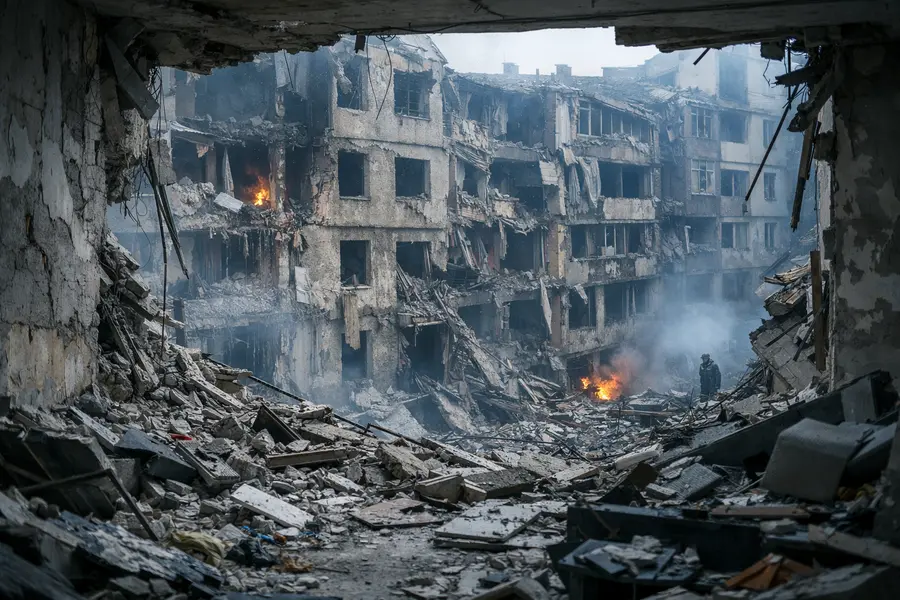
American and Iranian forces opened a direct naval front in the Persian Gulf this week, with U.S. warships striking Iranian oil tankers and Tehran retaliating with ballistic missiles against American vessels and commercial shipping - the most consequential military exchange between the two countries in decades and one that has driven crude oil prices to multi-year highs. The engagement is geographically and strategically distinct from the Houthi-operated Red Sea campaign, collapsing the proxy buffer that had kept the two governments out of direct combat and threatening the chokepoint through which roughly 20 percent of global oil supply moves each day.
Why Has the Strait of Hormuz Become the New Flashpoint?
The Strait of Hormuz - the 21-mile-wide passage between Iran's southern coast and the Omani peninsula - has shifted from chronic background risk to active combat zone, and unlike the Red Sea disruptions, it has no viable commercial bypass. When Houthi attacks forced carriers to reroute around the Cape of Good Hope, container lines absorbed the cost and delays. The roughly 17 million barrels per day of crude, petroleum products, and LNG transiting Hormuz cannot be rerouted at any realistic cost or speed.
Iran's Islamic Revolutionary Guard Corps Navy has rehearsed Hormuz mining and blockade scenarios for years. The decision to deploy ballistic missiles against U.S. warships signals a deliberate move beyond the harassment and drone tactics Tehran previously used, activating the strait's role as a systemic lever on global energy supply rather than a regional irritant.
What Separates This Front From the Houthi Campaign?
The Houthi Red Sea campaign operates through a proxy force in Yemeni territory, giving both Iran and the United States space to calibrate involvement and maintain limits. The Persian Gulf exchange removes that buffer entirely. American forces are striking sovereign Iranian assets; Iran is firing military-grade ballistic missiles at U.S. Navy vessels and civilian tankers. The two theaters also target different commercial flows: Houthi attacks inflated container shipping costs and Asia-Europe insurance premiums. A Gulf escalation cuts directly into crude tanker routes, LNG carriers, and the insurance underwriting infrastructure that prices political risk across the broader region.
The distinction also activates different legal and alliance frameworks. A direct strike on a U.S. warship triggers War Powers Resolution timelines, allied force posture decisions, and potential invocation of Article 5-equivalent commitments from GCC security partners. The theater may draw in British, French, and other NATO naval assets already deployed to regional waters.
How Are Oil Markets Responding?
WTI crude surged past $104 per barrel and Brent crude climbed toward $108 - levels not seen since the supply shock that followed Russia's 2022 invasion of Ukraine - as traders priced an acute Hormuz closure risk. Energy sector equities tracked by XLE advanced sharply. Integrated oil majors XOM and CVX gained as higher crude prices expand production margins and asset valuations.Tanker operators split: carriers with significant Persian Gulf exposure fell on direct route risk, while those operating primarily in Atlantic and Pacific lanes rose on anticipated rerouting demand. Defense contractors RTX, LMT, GD, and NOC advanced across the board as markets priced an expanded U.S. naval deployment and sustained munitions expenditure. SPY pulled back as risk-off flows rotated capital toward energy, commodities, and safe-haven assets including GLD. The broader MSCI indices tracking Gulf Cooperation Council equities came under pressure as direct military risk priced into regional assets.
Strategic Context
Iran's oil export revenue is both the financial target and the political context of the U.S. tanker-strike campaign. Tehran had been exporting an estimated 1.5 million barrels per day, primarily to China, circumventing Western sanctions through ship-to-ship transfers and flag-of-convenience vessels. American strikes on these tankers are designed to sever that revenue line directly rather than rely on secondary sanctions enforcement.
Gulf Cooperation Council members - Saudi Arabia, the UAE, Kuwait, Qatar, and Bahrain - face acute exposure from both sides. Major LNG terminals, crude loading facilities, and desalination infrastructure in the region sit within range of Iranian ballistic missile systems. Insurance markets have begun excluding Hormuz-adjacent coverage, driving charter costs sharply higher for vessels with no direct involvement in the conflict.
Outlook
The Persian Gulf confrontation represents a structural break in the U.S.-Iran confrontation, from sanctions pressure and proxy management to direct naval combat. With WTI above $104 and Brent near $108, crude oil price markets are reflecting a sustained risk premium rather than a temporary shock. The defining variable over the coming weeks is whether the exchange remains limited to tanker strikes or broadens into infrastructure targeting - Iranian strikes on Gulf state export facilities or U.S. strikes on Iranian port and missile infrastructure would represent a second step-change in both the military and energy-market calculus. Allied naval reinforcement is already underway, raising both deterrence potential and escalation risk simultaneously.