Pomegra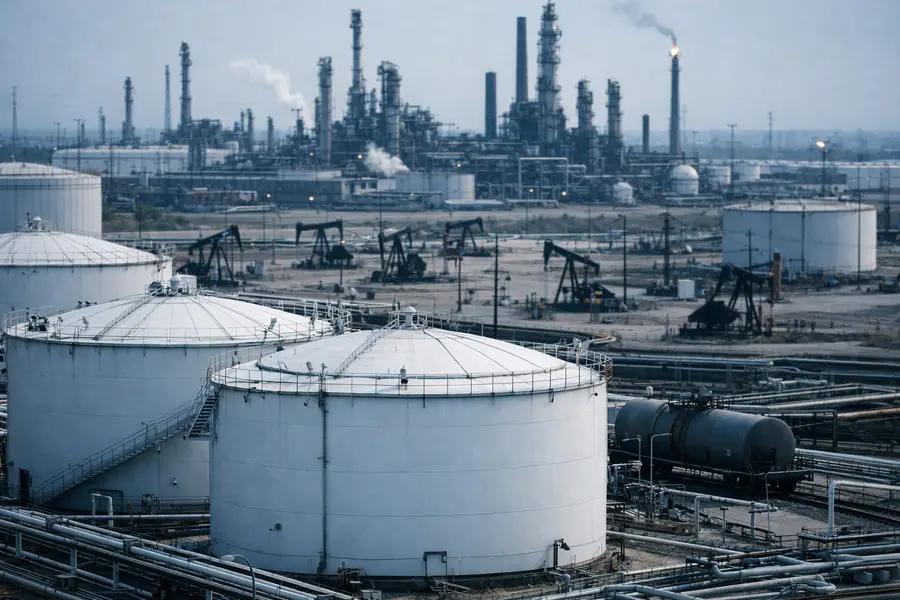
Major index ETFs including SPY, QQQ, DIA and IWM hover within 0.15% of flat as traders brace for Wednesday's July CPI print and a stalled US-Iran deal.
- SPY, QQQ, DIA and IWM all trade within 0.15% of unchanged on the premarket board Tuesday, with no clear directional conviction.
- July CPI arrives Wednesday; consensus forecasts a 3.4% annual rate, down from 3.5%, and a 0.1% monthly gain, with core at 2.5% year-over-year.
- Brent crude at $87.62 after Monday's 5%-plus spike; US-Iran Strait of Hormuz talks remain deadlocked over compensation demands.
Lead
The S&P 500, Dow Jones Industrial Average, Nasdaq 100, and Russell 2000 entered Tuesday's premarket session in near-suspended animation as investors locked in positions ahead of two of the most consequential data releases of the quarter. On the premarket board, SPY shed 0.03%, QQQ declined 0.04%, DIA dropped 0.14%, and IWM fell 0.13% — each within the 0.15% band of unchanged. Across the futures screen, S&P 500 futures nudged 5.25 points higher (0.07%), Dow futures eased 25 points (0.04%), and Nasdaq 100 futures climbed 67.50 points (0.23%), leaving no decisive signal for the open.
Inflation Watch
The week's center of gravity is the July Consumer Price Index, scheduled for release Wednesday morning. Economists project headline CPI to rise 0.1% month-over-month, following an unexpected 0.4% decline in June, and to register an annual pace of 3.4% — marginally lower than June's 3.5%. Core CPI, which strips out food and energy, is expected at 0.2% for the month and 2.5% year-over-year.
The Producer Price Index follows Thursday, giving policymakers and traders a sequential two-day read on whether disinflation is resuming or stalling.
For the Federal Reserve, the stakes are acute. The Federal Open Market Committee held its benchmark rate at 3.50%–3.75% for a fifth consecutive meeting in July, but three members dissented in favor of a 25-basis-point increase — the largest minority bloc for a hike in over a year. With the effective fed funds rate at 3.63%, markets have scaled back September rate-hike odds to roughly 44% following July's labor market miss. A CPI surprise in either direction on Wednesday could reset those odds sharply.
The Hormuz Premium
An equally important variable sits in crude oil. Brent crude steadied near $87.62 a barrel on Tuesday — a nominal decline of $0.10, or 0.11% — but that headline masks a violent Monday session in which both Brent and WTI surged more than 5% after peace-deal hopes between Washington and Tehran collapsed under competing demands.
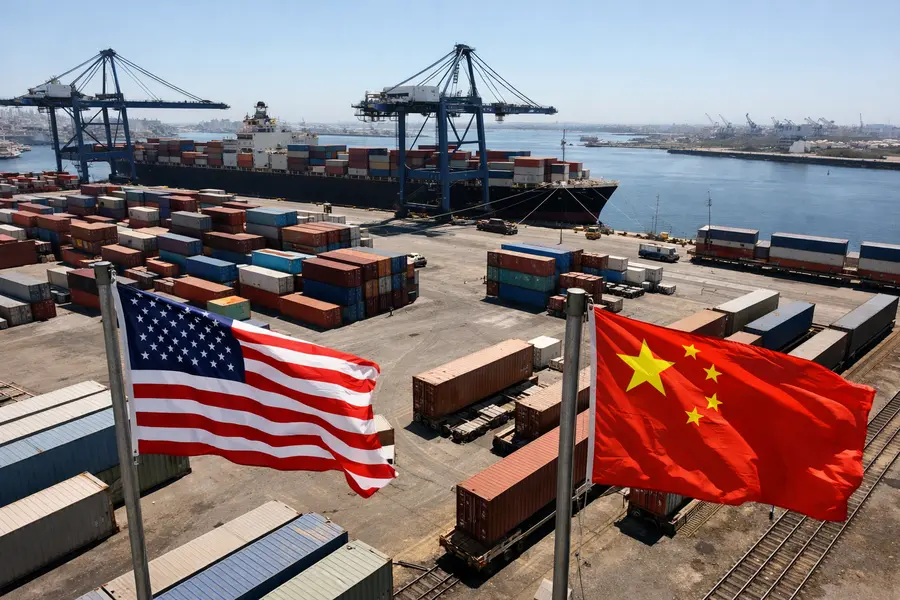
President Trump insisted Iran pay compensation for lives and damages before any reopening of the Strait of Hormuz; Iranian Foreign Minister Abbas Araghchi responded that Tehran is not engaged in direct negotiations and would require the lifting of Washington's shipping blockade before any talks advance. WTI futures held near $82.08 a barrel Tuesday morning.
The Strait, through which approximately 20% of global oil consumption passes under normal conditions, has been functionally disrupted since late February 2026 following the onset of US and Israeli military operations against Iran. The International Energy Agency authorized the largest coordinated Strategic Petroleum Reserve release in its history — 400 million barrels — but analysts project combined SPR capacity across member states could reach critical depletion levels by August at current drawdown rates.
The energy premium embedded in current prices represents a direct headwind to the inflation relief the Fed is counting on. If Brent remains above $85 into the August data cycle, downstream pipeline pressure could complicate both the PPI and September CPI readings before any Hormuz resolution materializes.
Record Highs in the Rearview
Despite the crosscurrents, equities enter Tuesday within striking distance of all-time highs. The S&P 500 closed at a record 7,757.64 on August 7, gaining 0.6% after July's nonfarm payrolls report showed a net loss of 23,000 jobs — the first negative print in over two years and a sharp reversal from the consensus forecast of an 83,000 gain. Downward revisions to May and June payrolls added another 103,000 jobs to the miss column.
The dynamic is a familiar one: weaker labor data, interpreted as reducing the probability of further Fed tightening, pushed investors into equities and long-duration assets. The Nasdaq 100 also posted a record close on the same session. The risk now is that Wednesday's CPI disrupts that thesis by printing above 3.4% annual — which would fortify the dissenting FOMC members' argument for a September move and introduce renewed volatility into the interest-rate complex.
What Comes Next
The sequence is compressed. July CPI Wednesday. July PPI Thursday. The Jackson Hole Economic Symposium window opens August 22, at which Fed Chair Jerome Powell has historically used the gathering to telegraph the committee's direction ahead of the September meeting.
A below-consensus CPI print is likely to extend the equity rally toward new record territory and further suppress September hike odds. An above-consensus reading would increase the probability of a 25-basis-point September move and renew selling pressure in long-duration bonds and rate-sensitive sectors. The Hormuz stalemate adds an exogenous tail risk that no domestic data release can neutralize on its own.
Outlook
Tuesday's flatness reflects genuine uncertainty, not complacency. The futures screen and premarket board alike show a market that has priced a soft landing and is now awaiting confirmation. Two major inflation readings arrive before the week is out, and a stalled US-Iran peace process keeps the energy complex elevated and the disinflation narrative fragile. The Fed remains one hot print away from reopening a tightening debate it hoped was closed.