Pomegra
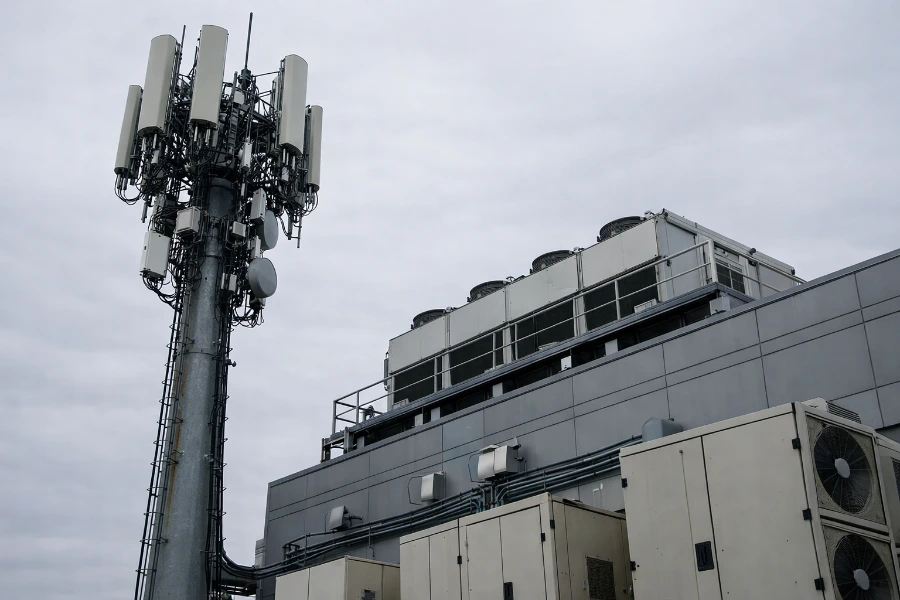
Québecor's unsolicited C$19.45-a-share offer for TELUS (TU) sent the stock up as much as 29% on Nov. 16, 2026, even as the TELUS board warned of regulatory risk.
- Québecor offers C$6.35 cash plus 0.17 Class B shares per TELUS share, valuing the deal at about C$31 billion.
- TELUS surged as much as 29% before settling about 12% to 13% higher; Québecor (QBR.B) fell roughly 13% to 15%.
- TELUS has formed a special committee and has not accepted the non-binding proposal.
Lead
Québecor Inc. made an unsolicited, non-binding proposal on Monday, Nov. 16, 2026, to acquire all of TELUS Corp. The consideration is C$6.35 in cash plus 0.17 of a Québecor Class B share for each TELUS share. At Québecor's Friday close, that equals about C$19.45 a share, roughly a 60% premium to TELUS's Toronto close and an equity value near C$31 billion. It would rank among the largest domestic mergers in Canadian history. TELUS shares spiked on the news, but the board said the proposal carries serious regulatory and structural risks.What Did Québecor Offer for TELUS?
Québecor offered a mix of cash and stock worth about C$19.45 per TELUS share, or roughly C$31 billion for the equity. The package is about one-third cash and two-thirds stock. Including roughly C$29.7 billion of net debt, the enterprise value is about C$60.7 billion.
Québecor said it first approached TELUS in late June and submitted an enhanced proposal on Nov. 9. Chief executive Pierre Karl Péladeau cited C$160 million in annual operating cost savings and C$235 million in annual capital savings. He said the combination would fund investment in satellite networks, artificial intelligence and data centres, and strengthen Canadian-owned telecom against foreign rivals such as Starlink.
The proposal is conditional on approval from the Competition Bureau, the CRTC and Innovation, Science and Economic Development Canada, which oversees spectrum transfers. Shareholder and court approvals would also be required.
Why Did TELUS Stock Jump?
TELUS stock rose because the offer values the company far above where it traded before the announcement. TELUS closed at about C$12.14 on Friday. On Monday, TU shares gained as much as 29% in early trading and about 40% at one point in premarket in the U.S., according to market data. The stock then settled lower. The Toronto-listed shares closed up about 13%, or C$1.56, at C$13.70. The NYSE-listed shares ended near US$9.59, up about 12% from US$8.53.
That left TELUS trading roughly 30% below the headline offer value. The gap reflects the market's doubt about whether regulators will approve the deal. The fixed exchange ratio also means the value of the stock component moves with Québecor's share price. Québecor shares fell about 13% to 15% to roughly C$65 to C$67, which lowers the real value of the offer.
How Does the TELUS Board View the Proposal?
The TELUS board has not accepted the proposal, and chief executive Victor Dodig said the company has "serious concerns," with regulatory approval as the largest hurdle. The company said Québecor has not explained how the deal could be approved under Canada's current telecom framework. The board formed a special committee of independent directors, chaired by John Manley, to evaluate the proposal and explore other strategic alternatives. TELUS said it has not decided whether to pursue a deal or keep the status quo.
The board raised three main objections:
- Regulatory uncertainty. Approval would be required under competition and telecom rules.
- Governance. TELUS shareholders would contribute most of the economic value but hold a minority of the votes. Under the proposed structure, they would own about 54% of the economics but about 23% of the votes. Holders of Québecor's Class A shares would hold about 15% of the economics and about 63% of the votes.
- Risk allocation. The fixed exchange ratio exposes TELUS shareholders to swings in Québecor's stock during a long review.
TELUS shareholders would also face a lower dividend. Based on the 0.17 Québecor shares offered, the payout would fall from C$0.75 a year to about C$0.31.
What Regulatory Hurdles Could Block the Deal?
The main obstacle is competition policy in a concentrated Canadian wireless market. Québecor owns Freedom Mobile, which it bought from Shaw during the 2023 Rogers-Shaw merger. Ottawa required that divestiture to preserve a fourth national wireless competitor. Combining Québecor with TELUS would put that competitor under the ownership of one of the three incumbents. A 2023 moratorium on large spectrum transfers also remains in effect.
Industry Minister Mélanie Joly has committed to a "rigorous review" while protecting Canadian sovereignty. The Rogers-Shaw deal, valued at about C$26 billion, took roughly two years to clear and came with conditions on pricing and divestitures.
Strategic Context
The bid arrives as Canadian carriers face slowing subscriber growth, heavy network spending and pressure from satellite entrants. TELUS carries substantial debt. Québecor has argued that scale would lower costs and support spending on next-generation networks. The TELUS board's response suggests it sees the terms as inadequate and the approval path as unclear.
Outlook
The proposal is non-binding, and no formal takeover bid has been filed. TELUS's special committee is reviewing it and strategic alternatives, and a meeting is scheduled for Nov. 23. The next signals are whether Québecor raises its price or restructures the governance terms, whether a rival bidder emerges, and how Ottawa responds. Until then, the discount of TELUS shares to the offer value reflects the market's view of the regulatory risk.