Pomegra
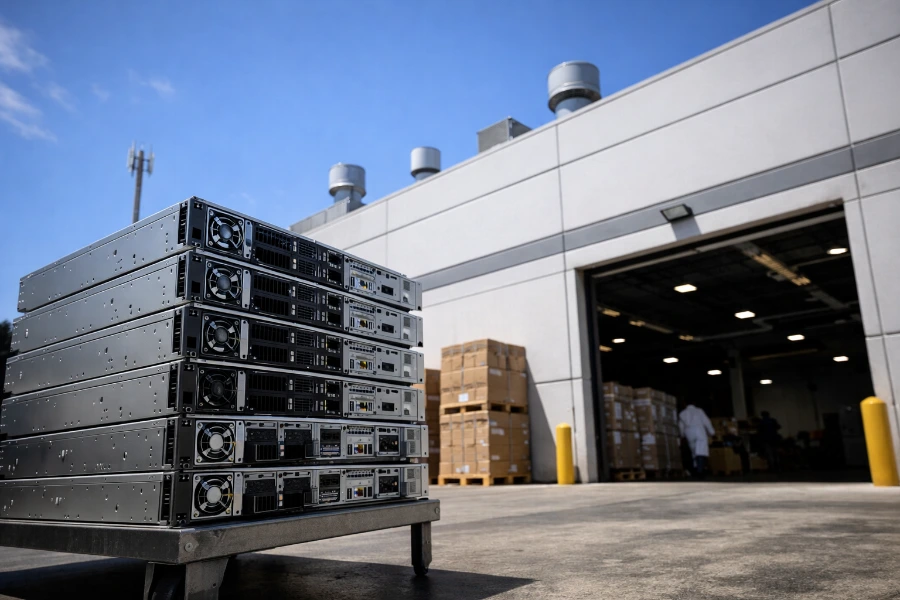
Super Micro (SMCI) fell about 11% to $26.99 after a report the DOJ is probing whether Alice Huang-linked entities helped smuggle its servers into China.
- SMCI closed down $3.44, or 11.3%, at $26.99 on Nov. 12, after trading down as little as 5% earlier in the session.
- Manhattan prosecutors are examining whether entities tied to Alice Huang, including Megaspeed, helped divert servers to China.
- Super Micro is not a defendant and says it is cooperating with authorities.
Lead
Super Micro Computer (NASDAQ: SMCI) shares dropped as much as 12% on Thursday, Nov. 12, after Bloomberg reported that U.S. prosecutors are examining whether entities linked to Alice Huang helped smuggle the company's servers into China. The stock settled at $26.99, leaving it down more than 14% for the year. The move was one of the sharpest single-day declines among ai stocks that day, with the AI server maker caught in a widening set of Justice Department inquiries.What Is the DOJ Investigating?
The U.S. attorney's office in Manhattan is investigating whether Huang-linked entities facilitated the diversion of Super Micro products to Chinese buyers. The inquiry includes Megaspeed International, Huang's former company, which has denied wrongdoing. Neither Huang nor Megaspeed has been charged.
The Justice Department is running three separate matters: an antitrust review of Nvidia (NVDA) and distinct export-control probes touching Megaspeed and Super Micro products. Megaspeed has been described as one of Nvidia's largest chip buyers in Southeast Asia, which places it on a key route for restricted AI hardware.
Why Did Super Micro Shares Fall So Sharply?
Super Micro shares fell because the new probe extends legal exposure beyond an existing criminal case. In March, federal prosecutors unsealed an indictment against co-founder Yih-Shyan "Wally" Liaw, Ruei-Tsan "Steven" Chang and contractor Ting-Wei "Willy" Sun. They are accused of routing Nvidia-powered servers worth about $2.5 billion through Southeast Asia to Chinese customers. Liaw has pleaded not guilty.
The company was not named as a defendant or co-conspirator in that indictment and has cooperated with the government since. A second line of inquiry raises the prospect of further scrutiny of its channel partners and compliance controls. Investors also reacted to the uncertainty, since the investigation could end without charges.
How Did the Nvidia Fallout Affect the Move?
The selloff coincided with turmoil at Super Micro's most important supplier. Nvidia shares fell 5.65% on the day after CEO Jensen Huang resigned following reports of extramarital affairs, including one involving Alice Huang. Chief Financial Officer Colette Kress was named interim chief executive. Bloomberg reported that Jensen Huang is not a target of U.S. law enforcement investigations. Neither company responded to requests for comment at publication.
Super Micro depends heavily on Nvidia's graphics processors for its AI server lines, so leadership disruption at Nvidia and export-control scrutiny of the supply chain weigh on the same revenue base.
Regulatory and Export-Control Context
U.S. rules restrict shipments of advanced Nvidia accelerators and the servers built around them to China. Enforcement has increasingly focused on intermediaries in Southeast Asia that buy hardware legally and may resell it onward. For server makers, the exposure lies in distributors and end customers, where verification is harder. Any finding of lax controls could bring penalties, tighter licensing conditions or customer caution.
What Comes Next for Super Micro?
The next developments depend on whether prosecutors widen the case or charge Huang-linked entities. Super Micro's cooperation, any disclosure in its regulatory filings and the pace of the Liaw case are the near-term markers. Trading is likely to stay volatile until the scope of the inquiries is clearer.
Outlook
Super Micro's 11% decline reflects a compounding legal and supply-chain overhang rather than any change in reported results. The company is not accused of wrongdoing, but the Huang-linked probe, the pending Liaw prosecution and Nvidia's leadership change keep export-control risk at the center of the AI server trade over the next several months.