Pomegra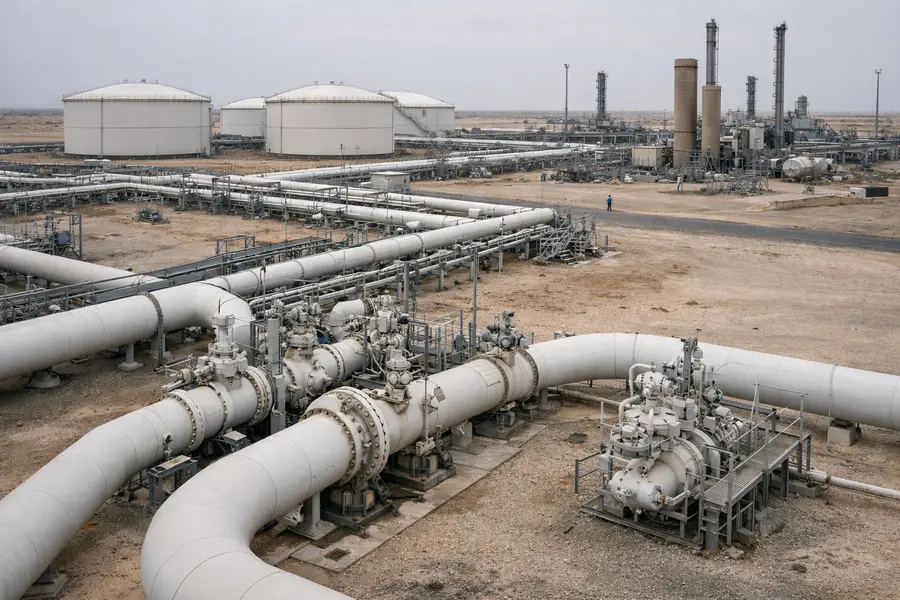
Iran-backed Iraqi drones knocked out Saudi Arabia's 1,200km East-West pipeline September 11, removing the only Hormuz bypass and putting 4-5M bbl/day of exports at risk.
- Drone strikes traced to Maysan province, Iraq, closed the kingdom's only Hormuz bypass while Iran keeps the strait shut.
- Brent crude climbed above $108 per barrel, extending a 2026 rally as combined outages threaten roughly 4 percent of world oil supply.
- Yanbu holds approximately 15 million barrels, covering five to seven export days; pipeline repairs will take three to five weeks.
Lead
Saudi Arabia shut its 1,200-kilometre East-West Crude Oil Pipeline - also known as the Petroline - on September 11 after a coordinated drone strike attributed to Iran-aligned militias operating from southeastern Iraq. The closure eliminated the kingdom's only operational export corridor bypassing the Strait of Hormuz, halting 4 to 5 million barrels per day and pushing the crude oil price above $108 per barrel as markets priced in the compounding effect of both Saudi export routes going offline simultaneously.Why Did Iran-Backed Forces Target This Pipeline?
The Petroline became the linchpin of Saudi crude exports after Iran closed the Strait of Hormuz in early 2026. Carrying 4 to 5 million barrels per day from the Eastern Province oil fields to the Red Sea port of Yanbu, the 1,200-kilometre land corridor had absorbed the full volume of Saudi shipments that would otherwise have had to navigate a blocked Gulf chokepoint. Eliminating the pipeline effectively sealed both of the kingdom's major export corridors at once - a strategic objective that Iran-aligned groups, operating from a province adjacent to the Iranian border, achieved with a single coordinated strike.
The Iraqi Prime Minister's Office confirmed on September 13 that a military commander responsible for operations in Maysan province - where the drones were traced - had been dismissed after investigations confirmed the attacks originated there. The dismissal signals official Iraqi acknowledgment of a command-and-control failure in a region where Iran-aligned armed factions have maintained a strong operational presence for years.
Market Reaction
The crude oil price surged above $108 per barrel in the days following the September 11 attack, building on a year-long advance driven by the broader Iran war. The International Energy Agency has described the combination of Hormuz closure and the Petroline shutdown as the largest supply shock in recorded history, with world oil output expected to decline approximately 5.7 million barrels per day - roughly 6 percent - over 2026.
Energy equities reflected the structural shift. The Energy Select Sector SPDR ETF (XLE) extended a year-to-date gain exceeding 32 percent, outperforming every other S&P 500 sector. Safe-haven demand lifted gold (GLD), while Asian crude buyers scrambled for alternative supply after cargoes already en route to Yanbu were left in limbo.How Long Can Saudi Arabia Sustain Exports?
Stored crude at Yanbu stands at approximately 15 million barrels - enough to sustain Red Sea export flows for five to seven days at average withdrawal rates. After that window closes, analysts estimate as much as 4 percent of global oil supply could be disrupted on top of volumes already affected by the Hormuz closure, a combined shortfall that strategic petroleum reserve releases will be hard-pressed to offset.
The IEA coordinated an emergency release of 400 million barrels in March 2026 - among the largest drawdowns in the agency's history. That intervention, alongside rerouted Saudi crude via the Petroline, had helped contain Brent below $100 per barrel through mid-year. Both cushions are now depleted or disabled.
Full pipeline repairs are expected to take three to five weeks, with the primary damage centred on a major pumping facility. Saudi Aramco has not disclosed whether partial throughput is achievable during the repair window.
Strategic Context
The Petroline's role had expanded significantly since Hormuz closed. Saudi Arabia completed repairs on an earlier strike against the pipeline in April 2026 and had since treated it as the primary vehicle for maintaining export commitments to Asian refiners - the kingdom's largest customer base. The September 11 strike now calls into question Saudi Arabia's capacity to function as a global swing producer during a sustained geopolitical crisis.
The attack follows a systematic pattern of infrastructure targeting that has included the 2026 South Pars field attack, the 2026 Aramco refinery attack, and repeated interference with commercial shipping near the Strait of Hormuz. Each incident has progressively degraded the redundancy built into the Gulf's oil export architecture over decades of infrastructure investment.
Outlook
The Petroline shutdown creates a window measured in days before Yanbu's stored crude is exhausted and Saudi Red Sea export volume approaches zero. Diplomatic channels remain open but unresolved: Iran has conditioned any Hormuz reopening on U.S. concessions, and no near-term agreement has been finalised. Repair crews face a multi-week timeline that extends well past the inventory buffer. The crude oil price above $108 reflects that arithmetic directly. The compounding of a six-month Hormuz closure with the loss of the kingdom's only bypass has removed the last structural mitigant the global oil market had in place - leaving supply restoration dependent on a rapid diplomatic breakthrough or an extended period of emergency demand management among consuming nations.
Mentioned tickers: XLE, GLD