Pomegra
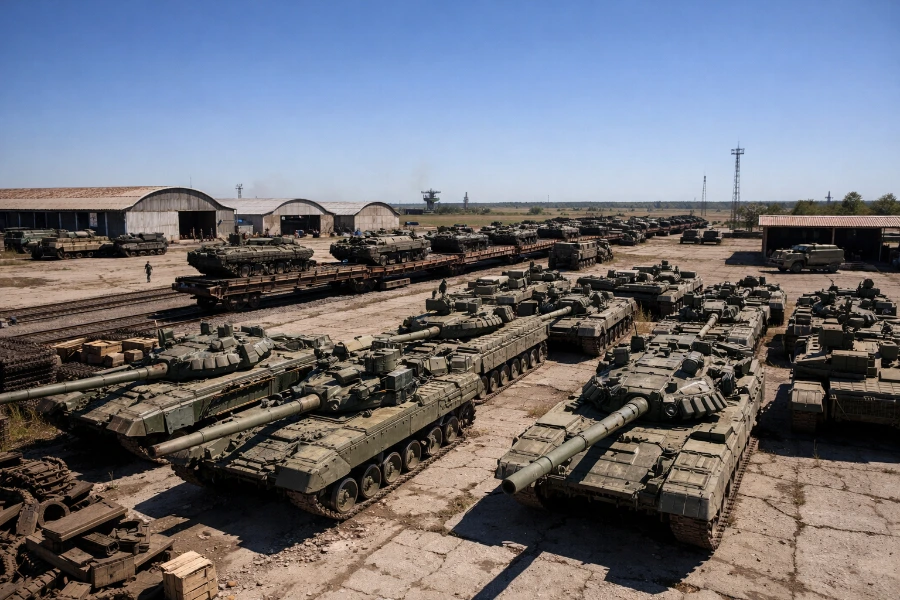
Western intelligence assessments cited by the New York Times say Putin is not ready for serious Ukraine peace talks, clouding Thursday's Trump-Xi-Putin summit.
- The New York Times reports, citing Western officials, that Putin is not ready for serious Ukraine peace negotiations and plans to fight through winter.
- The first Trump-Xi-Putin trilateral meeting is set for November 19 in Shenzhen, alongside the APEC summit.
- One intelligence service says Moscow would require all of Donbas and a pledge that Ukraine never joins NATO. Kyiv would almost certainly reject both.
Lead
Russian President Vladimir Putin is not prepared to engage in serious negotiations to settle the war in Ukraine, the New York Times reported on November 18, citing Western intelligence assessments. The report lands as Putin, U.S. President Donald Trump and Chinese President Xi Jinping prepare for the first three-way summit among their countries' leaders, scheduled for November 19 in the southern Chinese city of Shenzhen on the sidelines of the Asia-Pacific Economic Cooperation gathering.
The assessments conflict with the optimism Trump voiced on arrival in China. He said a Ukraine settlement is "very close to getting it done" and promised "a good meeting on that."
What Does the Intelligence Report Say About Putin's Intentions?
Western intelligence agencies judge that Putin intends to continue military operations at least through the winter and is not pursuing a negotiated end to the war. The assessments say Moscow is seeking further territorial gains in eastern Ukraine. They also say the Kremlin believes sustained drone and missile strikes on Kyiv can erode Ukrainian resistance.
One official said Putin could accept a deal on the right terms. At least one intelligence service believes those terms would require Ukraine to cede all of the Donbas region to Russia and to give assurances that it will never join NATO. President Volodymyr Zelenskyy and Kyiv's senior leadership would almost certainly reject both conditions, which makes a settlement unrealistic in the near term.
The war also serves domestic purposes for the Kremlin, according to some officials cited in the reporting. A French diplomat quoted in coverage of the assessments said Putin "needs the war in Ukraine to fuel his own leadership, his own narrative."
Why Does This Complicate the Trump-Xi-Putin Summit?
The assessments undercut the premise that Ukraine can be resolved at the summit, even though Trump has put it on the agenda. The White House had earlier indicated the conflict would stay off the table. Trump reversed that on November 16 and said he would raise Ukraine and nuclear arms limits with both leaders.
The agenda is crowded. Beyond Ukraine, the leaders are expected to address trade and tariffs, nuclear issues and the Iran conflict. Xi told the gathering that China will "cut tariffs and expand market access" while reforming rules and standards. That contrasts with Washington's tariff-led approach to trade.
Trump is also expected to meet Putin one-on-one on Thursday, in addition to the trilateral session. It would be their first in-person encounter since August 2025. The two leaders shook hands at the APEC gala dinner on Wednesday. Putin's appearance in the APEC leaders' family photo, his first in nine years, signals diplomatic re-engagement after years of Western isolation.
Diplomatic Context
The intelligence picture fits a pattern of mixed signals from Moscow. In October, Putin told Trump that an immediate resumption of peace talks was unlikely and cited Ukrainian drone attacks on Moscow during parliamentary elections. Earlier this month, Trump saw an opening for a deal ahead of planned talks in Abu Dhabi, though key questions remained unresolved.
Ukrainian estimates add to the concern. Kyiv projects Russia could deploy about 20 million drones against Ukraine in 2027, roughly double the 2026 figure. That points to a Kremlin planning for a longer war of attrition rather than a settlement.
Russia faces strains of its own. Its forces have taken heavy casualties, recruitment is difficult and the economy is under pressure. Western assessments nonetheless conclude those pressures have not yet changed Putin's strategic calculation.
What Comes Next for Ukraine Diplomacy?
The next several months will test whether the summit produces anything beyond a symbolic gathering. Three outcomes are most plausible over a 3-12 month horizon.
The first is a procedural result: an agreement to continue contacts, possibly through the Abu Dhabi channel, with no change in battlefield conduct. This is consistent with the intelligence view that Moscow wants talks for diplomatic cover rather than a settlement.
The second is a push by Washington to pressure Kyiv toward territorial concessions. That would test the cohesion of European allies and Ukraine's domestic politics.
The third is a role for Beijing as intermediary. China has positioned itself as a convener, and Xi's presence gives Putin an audience that the Western sanctions regime does not. Any Chinese leverage over Moscow, including energy purchases and trade, would be a structural factor in Russia's wartime economy.
For markets, the main channels are energy flows, sanctions policy and tariff decisions. A confirmed absence of progress on Ukraine keeps sanctions and export-control risks in place for Russian energy and commodity trade. A surprise breakthrough would shift expectations for European security spending and Russian asset valuations.
Outlook
The New York Times report sets a skeptical baseline for the Shenzhen summit. Western intelligence judges that Putin will keep fighting through the winter and that his terms are unacceptable to Kyiv. Trump's public optimism and the unprecedented three-way format raise the diplomatic stakes, but the underlying positions of Moscow and Kyiv have not moved. The one-on-one meeting between Trump and Putin will be the clearest early indicator of whether the Kremlin is willing to change course.
Mentioned tickers: None