Pomegra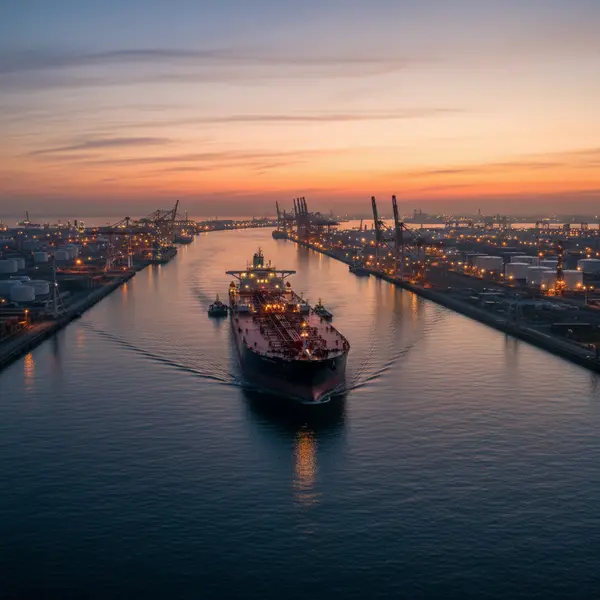
Brent crude pulled back from a session high of $107.13 as Iran's partial reopening of the Strait of Hormuz eased near-term supply fears, with China and Japan among the first beneficiaries.
- Brent crude fell 60 cents, or 0.6%, to $105.03 a barrel; WTI dropped 52 cents, or 0.5%, to $100.50 on May 14.
- Iran's semi-official Fars News confirmed approximately 30 vessels had crossed the Strait of Hormuz in recent hours, including a Chinese supertanker and a Japan-linked tanker managed by Eneos Holdings.
- The IEA warned global oil supply will fall short of total demand this year, with cumulative supply losses from Gulf producers already exceeding 1 billion barrels since the strait's effective closure.
Lead
Crude oil futures retreated on Thursday after Iranian state media reported that roughly 30 vessels — including Chinese and Japan-linked oil tankers — had transited the Strait of Hormuz, the world's most consequential energy chokepoint. The partial resumption of passage offered traders a measured signal of relief, pulling Brent crude back from an intraday high of $107.13 to $105.03 a barrel by mid-session, while West Texas Intermediate settled at $100.50. The development unfolded as U.S. President Donald Trump held talks with Chinese President Xi Jinping in Beijing, with the White House confirming both leaders agreed the strait must remain open for the free flow of energy.
What Happened
Iran's semi-official Fars News Agency cited a source confirming that Tehran had begun allowing transit for some Chinese vessels through the Strait of Hormuz, which has been largely closed since the Iran war broke out at the end of February. Approximately 30 vessels crossed the waterway in the hours preceding the report.
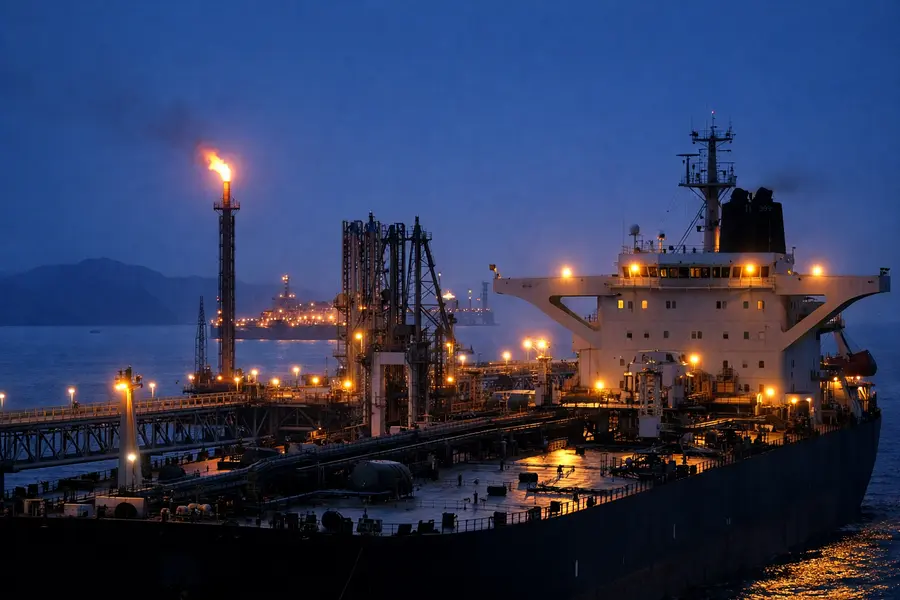
Ship-tracking data from LSEG confirmed that a Chinese supertanker carrying 2 million barrels of Iraqi crude — stranded in the Persian Gulf for more than two months — had successfully navigated the strait on Wednesday. A Panama-flagged crude oil tanker managed by Japanese refining group Eneos Holdings also passed through, marking the second confirmed Japan-linked vessel to complete the transit.
Iran, which appears to have tightened its selective control over passage rights, has simultaneously struck energy deals with Iraq and Pakistan to ship oil and liquefied natural gas from the region — a signal that Tehran is using Hormuz access as a calibrated diplomatic instrument rather than a uniform blockade.
Market Reaction
The partial resumption of Hormuz transits sent Brent and WTI futures lower from session highs, though both contracts remain at historically elevated levels. The dip on Thursday followed steeper declines on Wednesday, when Brent futures lost more than $2 a barrel and WTI dropped more than $1, as markets processed concerns that persistently high fuel prices are stoking inflation in major economies and could prompt further interest rate action from the U.S. Federal Reserve.
Gold eased alongside the modest retreat in crude, while silver slumped, reflecting a broader softening of the risk premium embedded across commodity markets in response to the Hormuz developments.Despite Thursday's pullback, crude prices remain significantly elevated compared to pre-crisis levels, reflecting a structural supply deficit that the International Energy Agency described in unambiguous terms in its latest monthly report.
Supply Outlook: IEA Warning
The IEA stated that global oil supply will fall short of total demand for the full year, with inventories being drawn down at an unprecedented pace. Cumulative supply losses from Gulf producers since the effective closure of the Strait of Hormuz have already exceeded 1 billion barrels, the agency noted.
In the United States, the Energy Information Administration reported that domestic crude inventories fell by 4.3 million barrels to 452.9 million barrels for the week ended May 8, driven by rising exports — though distillate stockpiles unexpectedly rose against expectations of a draw.
The IEA's assessment underlines that even a partial resumption of Hormuz passage falls well short of the throughput needed to restore supply-demand balance. Before the crisis, approximately 20 million barrels per day of crude oil and refined products passed through the strait, with China, India and Japan the dominant recipients.
Geopolitical Dimension
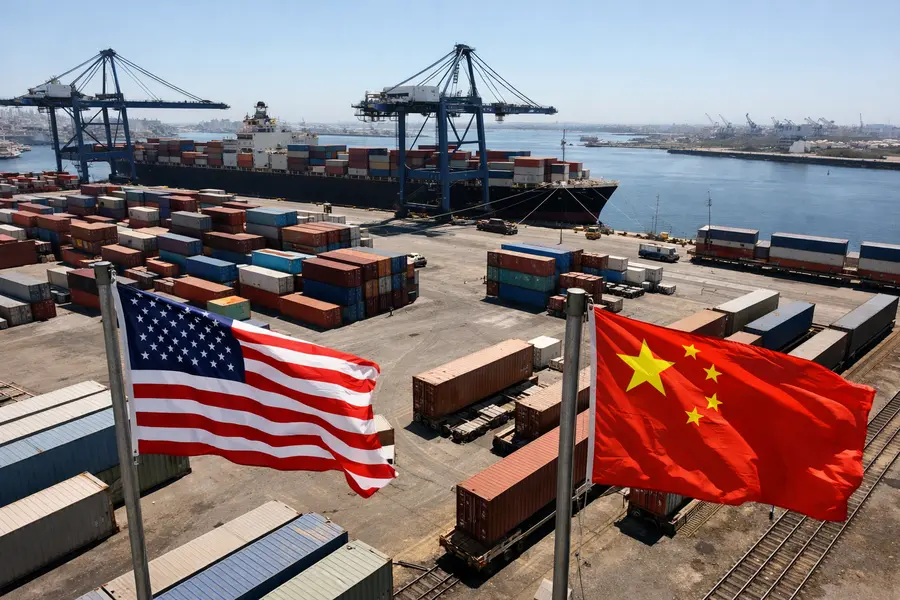
The Trump-Xi meeting in Beijing gave the Hormuz situation a direct diplomatic frame. The White House confirmed that President Xi expressed interest in purchasing more U.S. oil as part of an effort to reduce China's structural dependence on Hormuz transit — a strategically significant statement, given that China has not imported U.S. crude since May 2025 following the imposition of a 20% tariff during the trade dispute. Any resumption of Chinese purchases of American crude would represent a notable reconfiguration of global oil trade flows.
The broader geopolitical picture remains fragile. Iran's selective granting of passage rights — favouring Chinese and eventually some Japanese vessels — reflects a deliberate strategy: using energy access as leverage while maintaining the threat of full closure as a negotiating instrument. Markets are pricing that uncertainty carefully.
China's gasoline demand faces additional pressure from the crisis. Pump prices in China have risen approximately 30% since the war began, and domestic gasoline consumption is on track for its steepest annual contraction since the Covid lockdowns, as consumers accelerate the shift toward electric vehicles.Shipping Caution Persists
Despite the transit reports, the mood among shipping operators remains guarded. India-bound LPG carriers have added to the uptick in Hormuz crossings, but vessel operators and insurers are proceeding with caution. Large clusters of ships remain anchored on both sides of the strait, with many operators reluctant to attempt passage without explicit clearance.
The selective nature of Iran's permissions — apparently calibrated by flag state, cargo ownership and diplomatic relationship with Tehran — introduces significant operational uncertainty for global shipping companies and their insurers, who face the dual challenge of assessing physical risk and navigating a rapidly evolving sanctions landscape.
Outlook
The Hormuz situation is entering a phase of managed, selective permeability rather than full reopening. Oil prices are likely to remain elevated and volatile, with market direction sensitive to each additional confirmed transit — or any incident that reverses the nascent easing. The Trump-Xi diplomatic alignment on open passage adds a layer of high-level pressure on Tehran, but the absence of a formal agreement means the current regime of selective transits could tighten or loosen with little warning.
The IEA's supply deficit warning establishes a structural floor under prices. With inventories draining at a record pace and no credible near-term resolution to the Iran war, the energy market is operating with historically thin buffers.
Mentioned tickers: BNO, USO, XOM, CVX, BP, SHEL, TTE, 5020.T