Pomegra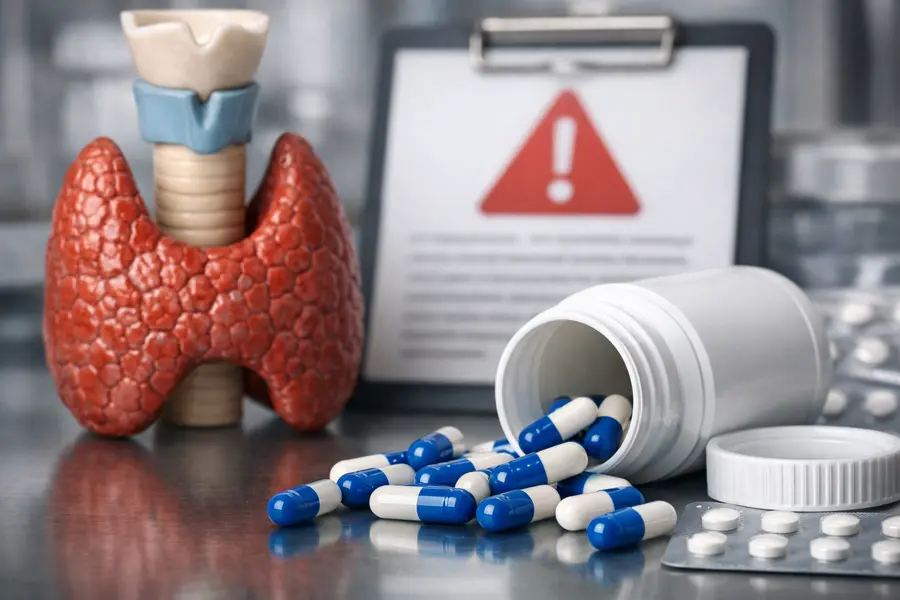
Major Pharmaceuticals has recalled 12 lots of levothyroxine sodium tablets nationwide after stability testing found the pills deliver less active thyroid hormone than labeled, affecting seven dosage strengths distributed since January 2025.
- The drug recall spans 12 lots of levothyroxine sodium across seven dosage strengths — 25 mcg to 150 mcg — packaged in pill bottles with expiration dates through January 2027.
- The FDA classified the action as a Class II recall on July 17, signaling a risk of temporary or reversible adverse health consequences.
- Cardinal Health redistributed a portion of the affected inventory; patients are urged to verify lot numbers before adjusting or stopping treatment.
Lead
Major Pharmaceuticals, the Indianapolis-based generic drug maker, initiated a voluntary nationwide drug recall on July 13, 2026, for 12 lots of levothyroxine sodium tablets after routine stability testing revealed the pills were subpotent — delivering less synthetic thyroid hormone per dose than the label declares. The Food and Drug Administration formally classified the action as a Class II recall on July 17, a designation applied where temporary or reversible adverse health effects are possible but serious injury is unlikely.What Happened
Levothyroxine sodium is the synthetic form of thyroxine, prescribed to tens of millions of Americans managing hypothyroidism, enlarged thyroid glands, or certain thyroid cancers. Even a modest potency shortfall can leave a patient's condition undertreated, producing fatigue, unexplained weight gain, cold intolerance, and cognitive difficulty as thyroid-stimulating hormone levels drift outside the therapeutic range.
The recalled pill bottles cover seven strengths — 25, 50, 75, 88, 112, 125, and 150 micrograms — with expiration dates running from July 2026 through January 2027. Affected lots have been in commercial distribution since January 2025, giving the product up to 18 months of shelf exposure. Cardinal Health handled secondary distribution on a portion of the recalled supply under its own labeling, extending the geographic footprint of the drug recall across pharmacy chains and independent dispensaries nationwide.
Specific lots named in the FDA notice include 25 mcg and 50 mcg lots N02212A and N02212B, expiring July 2026; 75 mcg lots N02200A and N02200B, expiring October 2026; and 125 mcg lots N02172A, N02172B, N02288A, and N02288B, expiring July and December 2026. Major Pharmaceuticals has not disclosed the precise magnitude of the potency deviation identified in testing.
Regulatory Context
A Class II designation sits below the FDA's most serious Class I classification — reserved for products likely to cause serious injury or death — but above Class III, which covers minor labeling or packaging defects. For a narrow-therapeutic-index hormone replacement therapy, where small dosing deviations can meaningfully alter TSH levels, a subpotency finding carries greater clinical weight than comparable findings in broader-margin drug classes.
Levothyroxine remains one of the highest-volume prescriptions in the United States, with generic formulations from multiple manufacturers competing alongside branded treatments such as AbbVie's Synthroid. A supply disruption to any single generic line can pressure pharmacies to source replacement stock from competing generics or the branded market.
What Comes Next
Patients whose pill bottles carry lot numbers matching the FDA recall notice are advised to contact their pharmacist or prescribing physician before altering or halting their dose independently. Abrupt discontinuation of thyroid hormone replacement carries its own clinical risks. Retailers and distributors have been instructed to quarantine and return affected product through established recall channels.
Regulatory follow-through will hinge on whether stability data from remaining in-market lots confirms the subpotency finding is contained to the 12 identified batches or points to a broader manufacturing process issue.
Outlook
The Major Pharmaceuticals levothyroxine drug recall removes 12 lots of a high-utilization generic from U.S. pharmacy shelves and places immediate responsibility on patients and providers to cross-reference pill bottles against the published lot list. Class II status limits acute risk, but the 18-month distribution window and multi-distributor supply chain widen the verification burden. Further FDA scrutiny of the Indianapolis facility's stability protocols and batch-release controls will shape the scope of any follow-on corrective action.