Pomegra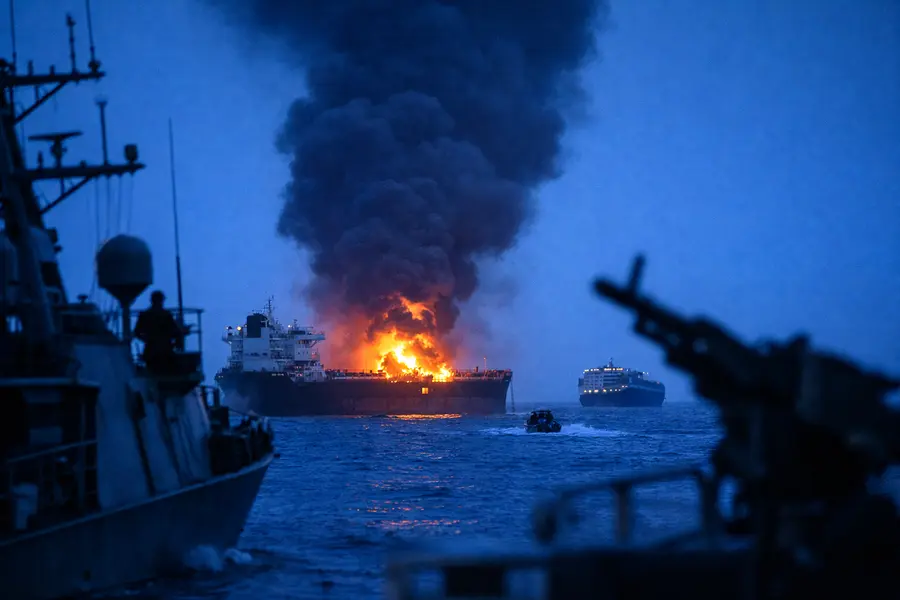
Iran rejected Washington's latest ceasefire proposal as Trump signaled renewed strikes after the Nov. 3 midterms, with 12 ships hit near Hormuz in a week.
- Tehran rejected the latest US ceasefire proposal; Qatar remains the main back-channel for talks.
- At least 12 vessels were attacked in and around the Strait of Hormuz in the past week, six of them on Sunday.
- Brent crude has traded above $100 a barrel since early October, against roughly $72 before the war.
Lead
Iran has rejected Washington's latest ceasefire proposal, and President Donald Trump has threatened to resume military strikes after the Nov. 3 midterm elections. The standoff has deepened as at least 12 ships were attacked in and around the Strait of Hormuz over the past week. Six were struck on Sunday alone: five tankers and one container ship. The attacks have revived the risk premium in the crude oil price and pushed the diplomatic track toward a military deadline.
What Did Iran Reject?
Iran rejected the US ceasefire proposal on the grounds that Washington's response was insufficient. The head of Iran's Supreme National Security Council also warned that regional digital infrastructure could be targeted if hostilities resume.
Qatari mediators had been carrying messages between the two governments and were awaiting Tehran's reply to a US counterproposal when the rejection came. Trump had earlier turned down a seven-day ceasefire offered by Iran. He told aides he expects to resume bombing after the midterms, according to earlier reporting.
Publicly, Trump has said a decision on Iran will come "very soon." He called the country "failed" and said Iran will not obtain a nuclear weapon. The Pentagon has directed US Central Command to complete preparations for possible major combat operations. The US also maintains a naval blockade of Iranian ports and has widened sanctions on Tehran.
Why Are Ships Being Attacked Around Hormuz?
Ships are being attacked because Iran has adopted more aggressive tactics over roughly the past ten days, aimed at keeping oil prices high. Iranian officials have said the attacks are meant to stop Washington from lowering global energy prices before the midterms, when fuel costs are a sensitive political issue for the White House.
The pace has accelerated. A dozen attacks were logged between Sept. 28 and Oct. 2, and UK maritime officials counted at least nine more in the first days of October. Incidents include a tanker fire on Oct. 1 and engine room damage to an Aframax vessel on Oct. 4. Daily attacks have also been reported in the Gulf of Aden, which widens the zone of risk beyond the strait itself.
How Much Oil Is Still Moving Through the Strait?
Oil is still moving in large volumes, but through a system under strain. Gulf crude flows excluding Iran recovered to about 81 percent of pre-war levels in September. Middle East crude exports reached 18.3 to 18.6 million barrels a day in late September, above the pre-war average of about 18 million.
About 40 percent of exports now bypass Hormuz altogether, largely through Saudi Arabia's East-West pipeline to the Red Sea port of Yanbu. Much of the crude that does cross the strait is moved by smaller shuttle vessels, often with transponders switched off, and transferred to larger tankers beyond it. That workaround has kept supply flowing, but it concentrates risk in a few pipelines and ports, and it raises freight and insurance costs.
Nearly 3 billion barrels of supply have been lost since the conflict began. Rebuilding inventories could take as long as two years even if shipping normalized immediately.
What Comes Next for the Crude Oil Price?
The crude oil price is likely to stay sensitive to each new tanker incident and to every signal about the timing of US action. Brent crude traded near $99.57 a barrel in the first week of October, against about $72 before the war. It climbed back above $105 on Oct. 8 as tanker attacks intensified. Prices peaked near $112 in March, when oil had risen about 50 percent from pre-war levels.
Three scenarios frame the next three to twelve months:
- Diplomatic reset: Qatari mediation produces a limited truce before or just after the vote. Shipping risk falls, and the premium in crude fades gradually.
- Managed stalemate: The attacks continue at the current pace without a US strike until after Nov. 3. Brent stays above $100, bypass routes carry a growing share of exports, and shipping costs stay elevated.
- Escalation: US strikes resume after the midterms and Iran carries out its threats against energy and digital infrastructure. The risk of a second supply shock rises, and the Pentagon's blockade tightens.
Geopolitical Dimension
The timing links the conflict to domestic politics on both sides. Israel holds its own elections on Oct. 27, a week before the US vote, which adds a second political calendar to Washington's calculations. Tehran's strategy depends on the premise that higher fuel prices constrain US options before the midterms. Washington's depends on the premise that Iran's economy, already under blockade and sanctions, cannot sustain the pressure.
Hormuz carries a large share of seaborne oil, and the strait's geography leaves few substitutes. Bypass pipelines and offshore transfers have reduced the system's dependence on the strait, but not removed it.
Outlook
Iran's rejection leaves the Qatari channel as the only active diplomatic route, while Trump's post-midterm threat sets a rough date for possible escalation. Until then, the pace of ship attacks, the volume of Gulf exports and the direction of Brent above the $100 mark will be the main indicators of whether the conflict widens or settles into a prolonged standoff.
Mentioned tickers: None