Pomegra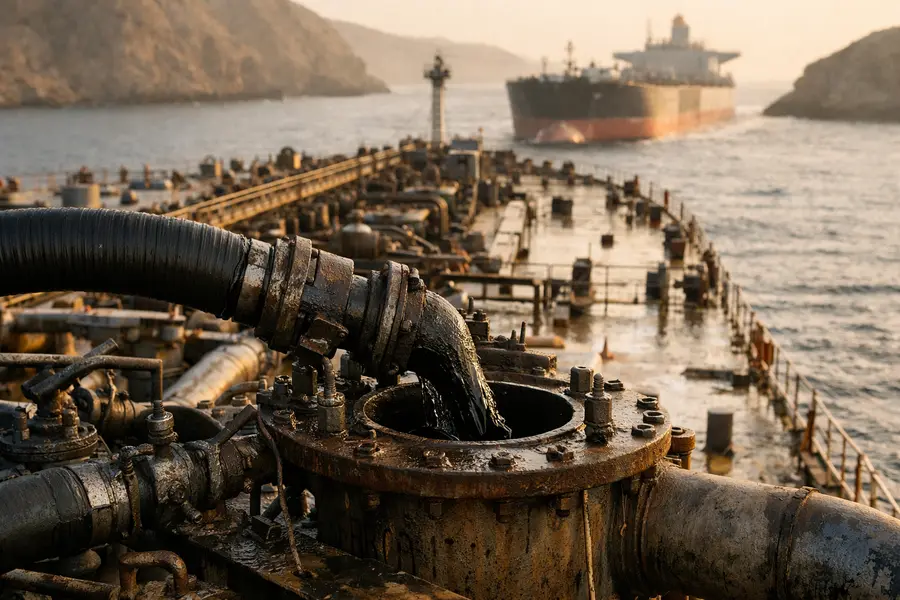
Houthi forces seized Mokha port and Perim Island this week, locking down Bab el-Mandeb and cutting off Saudi Arabia's last viable crude export route.
- Houthis seized Mokha port Sept. 10 and Perim Island Sept. 12, gaining control of Bab el-Mandeb's two shipping lanes.
- Brent crude surged above $108 before settling at $104.61 a barrel - its highest sustained level since May.
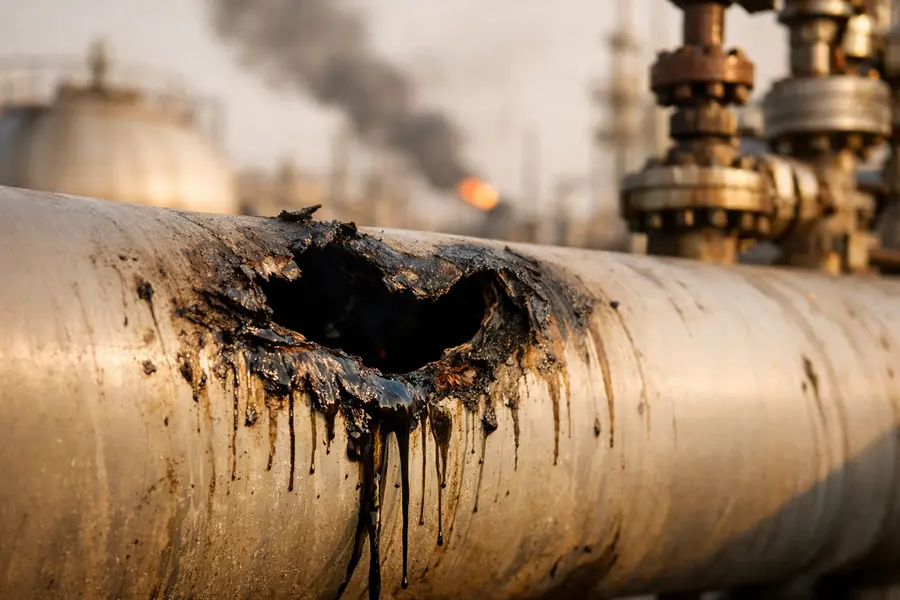
- Saudi Arabia's East-West pipeline bypass is also offline after drone strikes, leaving Riyadh's crude exports exposed on both sides of the Peninsula.
Lead
Iran-backed Houthi forces completed the capture of Yemen's Red Sea coastline between Sept. 10 and Sept. 12, seizing the port city of Mokha and the strategically critical Perim Island - known locally as Mayyun - which sits at the center of the Bab el-Mandeb strait and divides its two shipping lanes. The offensive, the most significant Houthi territorial advance in years, hands Iran's proxy network effective control of a waterway carrying roughly 10 percent of global oil supplies, compounding the disruption to the Strait of Hormuz that has roiled energy markets for six months.
What Do Houthis Now Control?
The Bab el-Mandeb is now under Houthi oversight from end to end. Mokha, situated 75 kilometers north of the strait's narrowest point, gave the group its first foothold on the lower Red Sea coast after Saudi-aligned forces withdrew south toward Dhubab. The capture of Perim Island 48 hours later closed the strategic picture: Houthi forces now hold positions just 20 kilometers from the African coast, commanding both shipping channels through which tankers and container vessels must pass to exit or enter the Red Sea.
Why Did the Crude Oil Price Spike?
The crude oil price reaction was immediate and pronounced. Brent futures jumped more than 7 percent on the Mokha news, touching $108 a barrel, while West Texas Intermediate crossed $103 before both benchmarks pulled back - Brent settling at $104.61 and WTI at $100.05 at the Sept. 11 close. The move reflected a supply-risk premium the market had not yet fully absorbed: the strait handles 10 percent of global seaborne oil, and Saudi Arabia had been routing roughly 3 million barrels per day of crude through the Red Sea after the Strait of Hormuz was effectively closed by Iranian operations earlier this year.
The Dual-Chokepoint Trap
Saudi Arabia's export exposure is now structural, not merely tactical. For six months, Riyadh had relied on its East-West Pipeline to move crude from Eastern Province fields to the Red Sea port of Yanbu, bypassing the Hormuz bottleneck that Iran controls. That detour collapsed this week: drone strikes forced the East-West pipeline offline, stranding Saudi production with no clear export pathway uncontested by either Iran or its Houthi allies. Combined, the Strait of Hormuz and the Bab el-Mandeb handle more than one-quarter of the world's seaborne crude and petroleum - and Iran's alliance network now has leverage over both simultaneously, for the first time.
How Does This Change Iran's Strategic Position?
Iran's dual-chokepoint strategy, long anticipated by Gulf security planners, has moved from theory to operational reality. The Houthis' Red Sea advance amplifies Tehran's ability to threaten global energy supply without deploying Iranian forces directly - a posture that materially complicates any near-term negotiated de-escalation. If Iran applies concurrent pressure at Hormuz while the Houthis enforce restrictions at Bab el-Mandeb, roughly 30 percent of the world's seaborne oil faces simultaneous disruption from the same alliance network. Asian buyers dependent on Saudi crude are among the most exposed, with shipping insurers already hiking war-risk premiums on Red Sea transits.
Market and Shipping Reaction
Beyond crude benchmarks, the Houthi advance pressured container shipping rates and tanker spot markets within hours. Nearly one-third of global container traffic passes through the Red Sea, and the latest development narrows the viable safe-passage corridor further. Energy sector equities, tracked by the Energy Select Sector SPDR ETF (XLE), held gains through the Sept. 11-13 session as the full scope of the Houthi territorial sweep became clear. Gold (GLD) extended its own geopolitical-risk rally, touching fresh highs as investors weighed the prospect of a protracted disruption to the region's energy infrastructure.
Outlook
The capture of Mokha and Perim Island marks a structural escalation in the Red Sea conflict, not an isolated skirmish. Saudi Arabia now confronts a scenario - previously treated as a tail risk - in which its crude export capacity is squeezed simultaneously from the Persian Gulf side by Iran and from the Red Sea side by Houthi forces. Any sustained closure or effective blockade at Bab el-Mandeb adds directly to the supply shock already rippling through global energy markets. With the East-West pipeline offline and diplomatic tracks stalled, Riyadh faces a narrow window to restore export resilience before inventories at key Asian destinations begin to tighten meaningfully.
Mentioned tickers: XLE, GLD