Pomegra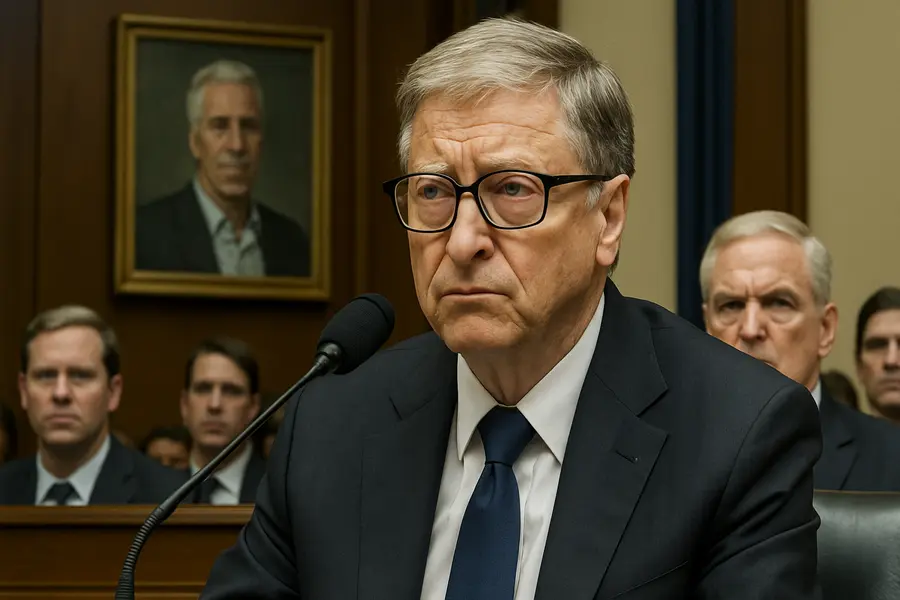
House Oversight released Bill Gates' full deposition on Jeffrey Epstein ties, detailing a suspected blackmail plot, admitted extramarital affairs, and Gates Foundation fundraising overtures.
- Gates told the committee Epstein appeared to be "brainstorming" blackmail using his extramarital affairs as leverage, though no extortion succeeded.
- Gates first engaged Epstein from 2011 to 2014, seeking wealthy donors for Gates Foundation global health initiatives, calling the meetings a "grave error in judgment."
- The panel simultaneously released testimony from Epstein's former executive assistant, Lesley Groff, who denied witnessing any criminal conduct by her former employer.
Lead
The House Committee on Oversight and Government Reform released the full transcript of Bill Gates' closed-door interview on June 23, 2026, more than two weeks after the Microsoft co-founder appeared before the panel on June 10. The 300-plus page deposition is part of the committee's broader review of federal investigations into Jeffrey Epstein and Ghislaine Maxwell. In the transcript, Gates acknowledged meeting Epstein over roughly three years beginning in 2011 and stated he believed Epstein had "contemplated blackmailing" him over extramarital relationships, a pressure campaign Gates said ultimately failed.
What Happened
Gates, who co-founded Microsoft before stepping back to focus on philanthropy, told lawmakers he first connected with Epstein through contacts in his professional and global health networks in 2011. The purpose, Gates testified, was to leverage Epstein's reputed access to wealthy individuals to secure donations for the Gates Foundation. Meetings continued through 2014.
In the transcript, Gates stated plainly: "I should have never met with Epstein in the first place." He told committee members he never personally witnessed Epstein engage in criminal conduct but acknowledged he may have been in the presence of Epstein's victims without knowing it at the time.
The Blackmail Allegation
The most consequential disclosures in the transcript center on a suspected extortion attempt. Gates told the committee that Epstein used an intermediary to send him what Gates described as "veiled" threats. Two draft emails attributed to Epstein — which the Department of Justice had previously released — referenced Gates' extramarital relationships and falsely implied Gates had contracted a sexually transmitted disease. Gates said the emails appeared consistent with Epstein "brainstorming" a blackmail strategy.
Gates named three affairs in the deposition: Mila Antonova, a Russian bridge player he had met at card events; Karima Nigmatulina, a Russian nuclear physicist; and medical entrepreneur Dr. Alice Jacobs Nesselrodt. Gates testified the blackmail effort was unsuccessful. "I was not blackmailed," he said, while conceding the documentary record suggested Epstein was considering it.
Lesley Groff Testimony
The committee also released a separate transcript from the June 9 interview with Lesley Groff, who served as Epstein's executive assistant for approximately 18 years. Groff testified she had no awareness of her employer's criminal activities and described the experience as working for "Dr. Jekyll" while never being permitted to see the "true Mr. Hyde." Groff said she regularly scheduled appointments she believed to be legitimate massages and had no visibility into what occurred behind closed doors at Epstein's properties.
Strategic Context
The transcript release marks an escalation in congressional scrutiny of high-profile individuals who maintained professional or social contact with Epstein prior to his 2019 arrest and death. The House panel's inquiry runs parallel to broader Justice Department document releases under the current administration, which have kept Epstein's network in the public record throughout 2026. For Gates, the disclosures revisit reputational damage that first surfaced publicly around the time of his 2021 divorce from Melinda French Gates, when earlier reporting described his repeated meetings with Epstein after the financier's 2008 sex-crimes conviction.
Outlook
The committee has not announced additional witness testimony following the Gates and Groff transcripts, but the breadth of the still-active federal review suggests further document releases remain likely. Gates has made no public comment on the transcript release beyond his written statement following the June 10 interview, in which he reiterated that engaging with Epstein was among the most consequential mistakes of his professional life. The Gates Foundation has maintained that no Epstein-linked funding ever materialized. Congressional Republicans who control the Oversight panel have indicated the Epstein investigation will remain an active focus through the current legislative session.