Pomegra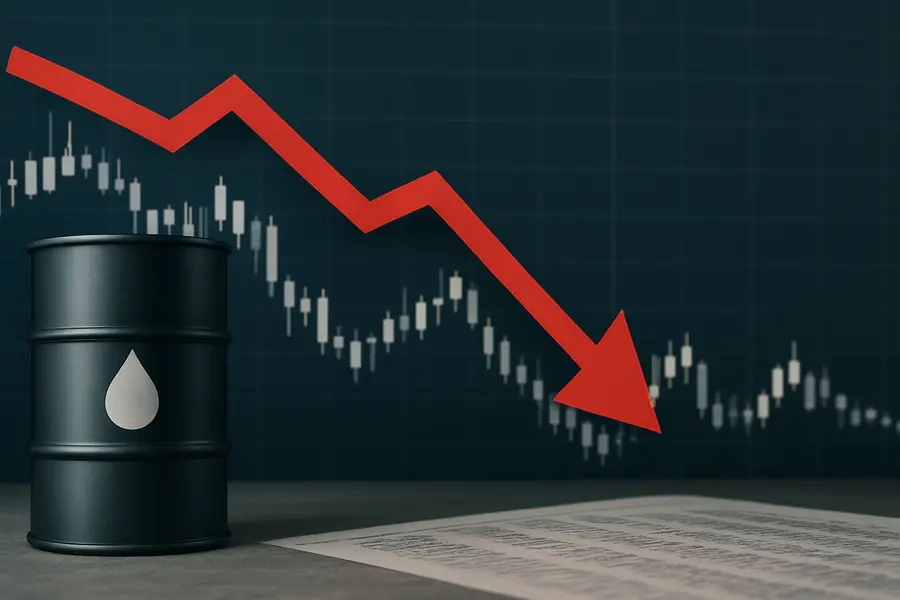
The FTSE 100 closed the week at 10,508, slipping on Friday from a two-month intraday high as falling crude prices dragged BP and Shell lower amid optimism over a US-Iran peace framework.
- FTSE 100 fell 0.2% on Friday to 10,508, pulling back from a two-month intraday high reached earlier in the week.
- BP dropped 2% and Shell fell 0.8% as crude prices retreated on a US-Iran framework agreement to reopen the Strait of Hormuz.
- Despite Friday's retreat, the index gained 1.5% over the full week, outperforming the FTSE 250, which fell 0.2%.
Lead
London's FTSE 100 ended the final session of the week on a subdued note Friday, shedding 18 points, or 0.17%, to close at 10,508, after briefly trading near its highest level in two months earlier in the week. A confluence of retreating oil prices, a technology selloff in US markets, and profit-taking across London stock market heavyweights pulled the blue-chip benchmark off its weekly peak. The FTSE 250 declined 0.2% on the day, while the AIM market fell 3.4%. Despite Friday's drag, the FTSE 100 recorded a weekly gain of 1.5%.
What Happened
The week's narrative was largely shaped by two macro forces: energy sector weakness triggered by a US-Iran diplomatic breakthrough, and a rotation away from technology shares following reports that OpenAI may delay its anticipated public listing until 2027 over valuation concerns.
Crude oil bore the brunt of the geopolitical shift. Brent fell approximately 5% at its weekly low to around $83 a barrel, while WTI crude touched $80, as traders unwound geopolitical risk premiums embedded since the Strait of Hormuz disruption earlier this year. The framework deal between Washington and Tehran — which President Donald Trump publicly described as "complete" — opened the prospect of restored Iranian crude exports and commercial shipping through one of the world's most critical energy chokepoints. BP fell as much as 3.9% at session lows, while Shell lost more than 4% at its worst point before trimming declines. Both stocks ended the day meaningfully lower, reflecting their sensitivity to crude benchmarks and the abrupt recalibration of energy supply expectations.Market Reaction
Not all UK equity trends pointed lower. Mid-week gains in banking stocks helped anchor broader sentiment, with financial sector heavyweights staging a risk-on rally as improved geopolitical sentiment filtered through European markets. By the close of Friday's session, top performers on the FTSE 100 included Endeavour Mining, up 3.1%; Coca-Cola HBC, up 2.8%; and Burberry, which added 2.8%, benefiting from firmer consumer discretionary sentiment tied to improving trade rhetoric.
At the other end of the ledger, Croda International fell 3.9%, Berkeley Group dropped 3.9%, and Vistry Group declined 3.2%, weighed down by a combination of sector-specific pressures and broader risk-off moves in growth-sensitive names. Whitbread and Airtel Africa also featured among the day's underperformers.
The FTSE 250, which carries a more domestically oriented composition, underperformed its larger peer over the week, reflecting lingering concerns about the pace of UK economic recovery.
Strategic Context
The week's performance encapsulates the dual character of the FTSE 100 as a global rather than purely domestic index. Its heavy weighting toward energy, mining, and internationally diversified consumer staples creates a structural sensitivity to commodity cycles and geopolitical developments that frequently overshadows UK-specific economic signals.
UK GDP expanded by 0.6% in the first quarter of 2026, and full-year growth is now forecast at 1.0%, revised down from an earlier 1.4% estimate. Inflation is expected to average 3.1% in 2026, with peak readings near 3.5% projected before easing in 2027. That backdrop constrains the Bank of England's scope to deliver additional rate relief without risking second-round inflationary effects.
Against that macro setting, the FTSE 100's capacity to post a 1.5% weekly gain — ahead of several European peers — reflects the index's defensive and income-generating characteristics. Aggregate dividends across the index are forecast to reach a record £88 billion in 2026, reinforcing the FTSE 100's appeal to yield-sensitive institutional capital.
Geopolitical Dimension
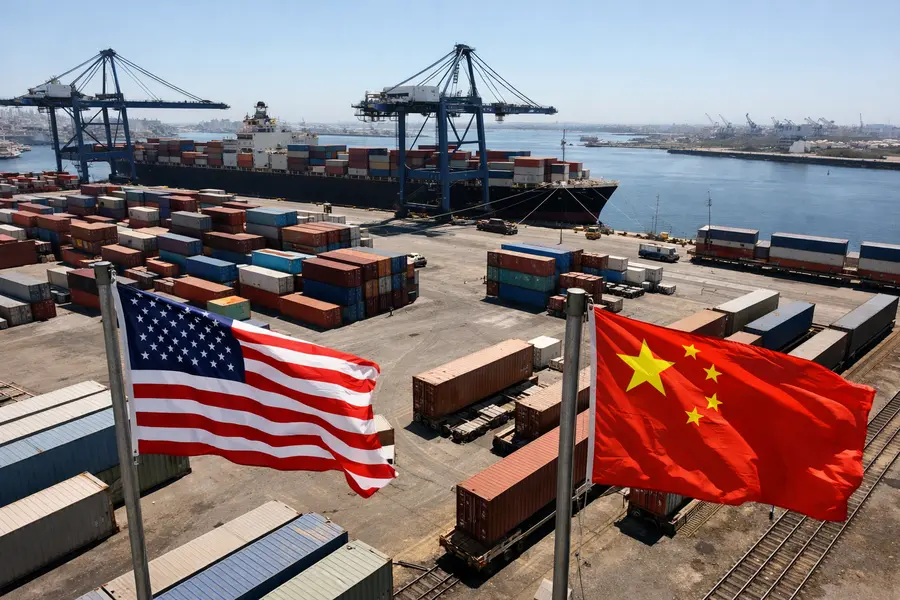
The US-Iran framework agreement represents a pivotal variable for UK equity markets in the near term. The Strait of Hormuz, through which roughly 20% of global crude flows, had served as a persistent geopolitical risk premium embedded in oil prices for much of 2026. A formal signing and mine-clearance operations remain prerequisites before tanker traffic can fully normalize.
Should the deal hold and Iranian exports recover toward pre-restriction levels, energy stocks — which constitute a substantial share of FTSE 100 market capitalisation — face sustained earnings headwinds. Conversely, lower energy input costs would provide relief to UK consumers and businesses, potentially improving the domestic demand outlook and narrowing inflationary pressures over the second half of the year.
FTSE 100 Outlook
The FTSE 100 outlook over the coming weeks hinges on three intersecting variables: the durability of the US-Iran agreement and the timeline for Hormuz normalization, the trajectory of global interest rate expectations as central banks weigh resilient services inflation against softening growth, and the pace of any recovery in UK consumer confidence.
The index's record dividend forecast and international earnings base continue to attract institutional flows, while its relative underexposure to technology — long a drag when AI-driven US equity multiples expanded — has reduced correlation to the US tech selloff narrative. Should energy prices stabilize at lower levels without triggering a collapse in sector earnings, the FTSE 100 may find renewed support at current levels heading into the third quarter.