Pomegra
FTSE 100 rose 0.4% as BP and Shell each gained 1.5%, with Brent crude above $87 a barrel making energy majors rare safe havens in a global equity selloff.
- The FTSE 100 advanced 0.4%, diverging sharply from Wall Street futures and Asian benchmarks caught in a broad global retreat.
- BP (BP) and Shell (SHEL) each climbed approximately 1.5%, powered by Brent crude holding above $87 per barrel.
- Energy heavyweights are absorbing institutional capital as counter-cyclical defensive positions, redefining the FTSE 100's traditional risk profile.
Lead
London's FTSE 100 closed 0.4% higher on September 14, 2026, as integrated oil majors BP (BP) and Shell (SHEL) each surged approximately 1.5%, providing the index with a structural buffer unavailable to technology-heavy benchmarks in New York and Asia. With Brent crude trading above $87 per barrel - sustained by supply discipline and residual geopolitical risk premiums - the UK index's energy-heavy composition converted a longstanding sectoral concentration into a market-beating advantage on a day when most global equity indices moved in the opposite direction.
Why Is the FTSE 100 Rising While Global Markets Fall?
The FTSE 100's outperformance is a direct consequence of its sectoral architecture. Energy companies represent a disproportionate share of the benchmark's total market capitalization, meaning crude oil price gains flow directly into index-level performance at a scale that consumer, financial, and industrial sub-sectors cannot offset in a risk-off session. Asian benchmarks posted losses exceeding 1%, and S&P 500 futures indicated a negative open, leaving the FTSE 100 as one of the few major developed-market indices on track for a positive session. The index's high concentration of multinationals that report earnings in dollars also provides an implicit hedge when sterling softens under macro pressure, compounding the crude-linked gain with a currency tailwind.
What Is Driving BP and Shell Higher?
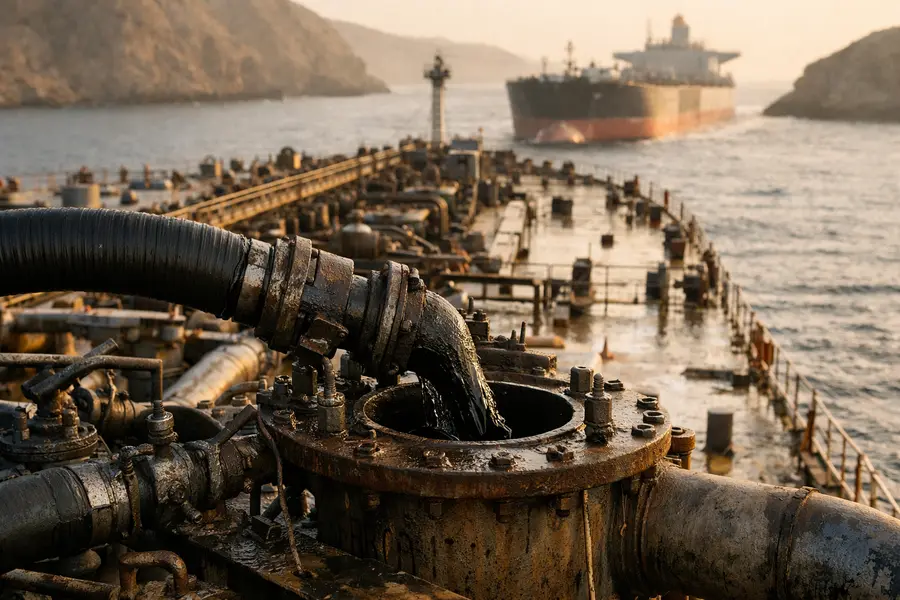
Brent crude holding firmly above $87 a barrel is the proximate driver for both oil majors. OPEC+ production discipline and persistent geopolitical risk embedded in the crude oil market have supported prices well above the breakeven thresholds at which BP and Shell generate material free cash flow. At current levels, both companies operate comfortably within ranges that support progressive dividend policies and active share buyback programs. Through 2025 and into 2026, BP and Shell have each reported sequential upstream margin improvement, converting elevated crude prices into earnings-growth narratives that are scarce in a market where many sectors face margin compression. Their combined weighting makes the FTSE 100's daily performance substantially a proxy for the crude oil market during sessions of elevated energy prices.
Energy Majors as Counter-Cyclical Safe Havens
The conventional safe-haven rotation moves capital into gold, sovereign bonds, and consumer staples. In the current environment, integrated oil majors are capturing a share of those defensive flows. The mechanism is cash generation: at $87 Brent, BP and Shell produce free cash yields that rival traditional defensives while also providing an embedded commodity hedge. Institutional investors rotating out of rate-sensitive growth equities find both income and inflation protection in energy majors, creating counter-cyclical demand that amplifies share price moves when broader indices are under stress. This dynamic has structural roots - energy sector revenues are positively correlated with the inflationary forces that erode real returns elsewhere in the portfolio.
How Does This Reshape the FTSE 100's Global Role?
The FTSE 100's decoupling from Wall Street and Asian losses reinforces its utility as a portfolio diversifier. When UK large-caps post gains during a broad global selloff, the correlation benefit for international investors holding diversified equity books increases measurably. The index's dollar-denominated earnings base and commodity exposure offer characteristics that are structurally underrepresented in US and Asian benchmarks. In financial markets today, capital is rewarding yield, real-asset linkage, and geographic diversification - attributes concentrated at the top of the FTSE 100's constituents list. For institutional investors seeking to reduce beta to US technology cycles, BP and Shell-led sessions like Sunday's restate the case for London as a source of differentiated equity exposure.
Outlook
Sustaining the FTSE 100's outperformance depends on crude oil price stability. If Brent holds above $85 per barrel through the fourth quarter, BP and Shell are positioned to remain the index's primary upward catalysts, with analyst consensus favoring continued buyback execution and dividend growth. Downside risks run through demand - a sharper-than-expected deterioration in US or Chinese economic data could compress crude price expectations and pull energy stocks lower regardless of supply conditions. In the near term, the FTSE 100 occupies an unusual market position: a major developed-market benchmark generating positive returns while global peers retreat, powered by two oil majors that have quietly assumed the counter-cyclical role the market currently needs.
Mentioned tickers: BP, SHEL