Pomegra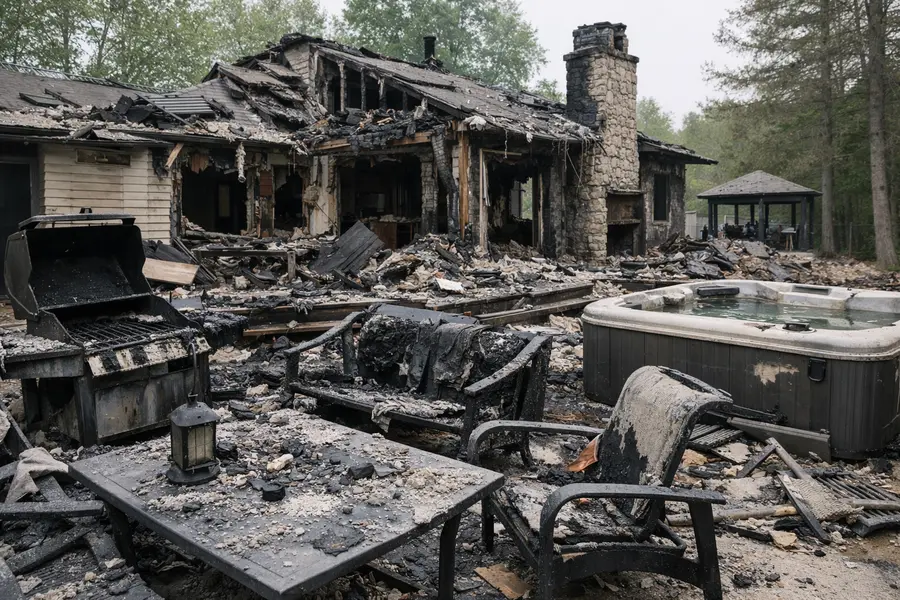
Expedia fell 7.7% and Airbnb dropped 7.5% on September 23 after a wrongful-death suit over a fatal Dominican Republic fire reignited platform-liability risk across the short-term rental sector.
- Expedia Group (EXPE) fell 7.7% and Airbnb (ABNB) dropped 7.5% as platform-liability concerns hit online travel stocks broadly.
- A Massachusetts family sued Expedia's VRBO unit September 22 over a June 13 Barahona fire that killed four people, including a five-year-old child.
- The complaint alleges VRBO knowingly listed Dominican Republic properties lacking smoke detectors while marketing itself as safe.
Lead
Expedia Group (EXPE) shares fell 7.7% and Airbnb (ABNB) dropped roughly 7.5% on September 23, 2026, after a wrongful-death lawsuit filed the prior day against Expedia's VRBO unit over a fatal vacation rental fire in the Dominican Republic sent platform-liability fears across the short-term rental sector to their highest levels in years. Booking Holdings (BKNG) shed more than 5% in a sympathy move, dragging equity markets for online travel broadly. The complaint's systemic framing - implicating platform-wide safety failures across an entire country rather than a single negligent host - was the element that rattled institutional investors most.What Happened at the Dominican Republic Rental?
A fire swept through a vacation rental in Barahona, Dominican Republic, in the early morning hours of June 13, 2026, killing four members of a Massachusetts family, including a five-year-old child, and leaving others with severe and lasting injuries. On September 22, law firms Farrah Law and Meehan Boyle - a Keches Law Firm - filed a civil wrongful-death complaint in King County Superior Court in Seattle (case no. 26-2-30948-5 SEA), naming Expedia Inc., Expedia Group Inc., HomeAway.com Inc., and VRBO Holdings Inc. as defendants.
The suit alleges VRBO markets its platform as safe and trustworthy while intentionally failing to enforce its own "Safety Essentials" requirements, which mandate that hosts install hardwired, interconnected smoke detectors outside all bedrooms. The complaint further contends VRBO deliberately designed its booking interface to bury safety disclosures in secondary sections, allowing guests to complete reservations without ever seeing whether a listed property had functioning smoke detection.
Why Did Platform-Liability Fears Spread to Airbnb?
Forty days after the fire, plaintiffs' attorneys searched VRBO's Dominican Republic listings and found approximately 80% lacked smoke detectors; a follow-up search found 66% still noncompliant - suggesting the platform had not corrected the deficiency after receiving notice. The complaint argues VRBO possessed this information throughout because hosts self-disclose safety features at listing setup, making the continued marketing of noncompliant properties an act of knowing negligence rather than administrative oversight.
Airbnb was not named in the filing, but ABNB shares fell sharply on the same dynamic that spooked investors in EXPE: any judicial ruling that extends a duty-of-care obligation to the curation and promotion of unsafe listings would upend the liability shield that short-term rental platforms have relied on since their founding. Platforms have historically argued they function as passive intermediaries, insulating themselves under federal communications law from responsibility for host-supplied content. A precedent treating safety-feature disclosures as platform-curated content rather than host speech would pierce that defense.
Airbnb separately faces a municipal enforcement action in Chicago, where city prosecutors allege the company operated nearly 200 illegal short-term rentals in 2024 and 2025 in violation of the Shared Housing Ordinance - narrowing its operating margin on the regulatory front even before the Dominican Republic litigation entered the picture.Why Short-Term Rental Platforms Are Structurally Exposed
The lawsuit's data-driven approach marks a departure from prior vacation-rental litigation, which typically targeted individual hosts. By citing the proportion of noncompliant listings across an entire national market - data derived from VRBO's own disclosure architecture - the plaintiffs have constructed a framework that could apply to any country where VRBO or Airbnb operate without enforcing their stated safety standards. The U.S. Consumer Product Safety Commission and state attorneys general focused on platform accountability are expected to monitor discovery proceedings closely.
Legal observers note that even if the complaint does not ultimately succeed on a duty-of-care theory, the discovery process itself - which could surface internal communications about known safety-disclosure gaps - poses a reputational and financial risk independent of the final verdict.
Outlook
The King County Superior Court case is in its earliest stage, and Expedia has not yet filed a formal response. Both EXPE and ABNB face a legal environment that has grown measurably less hospitable to passive-intermediary defenses, with multiple jurisdictions simultaneously testing the outer limits of platform accountability. For Expedia, the immediate question is whether the complaint's systemic allegations prompt the company to audit and overhaul VRBO's safety-disclosure infrastructure ahead of potential regulatory action. For Airbnb, navigating compounding litigation pressure in Chicago alongside the reputational spillover from the VRBO case reinforces investor caution about the sector's long-term liability profile.
Mentioned tickers: EXPE, ABNB, BKNG