Pomegra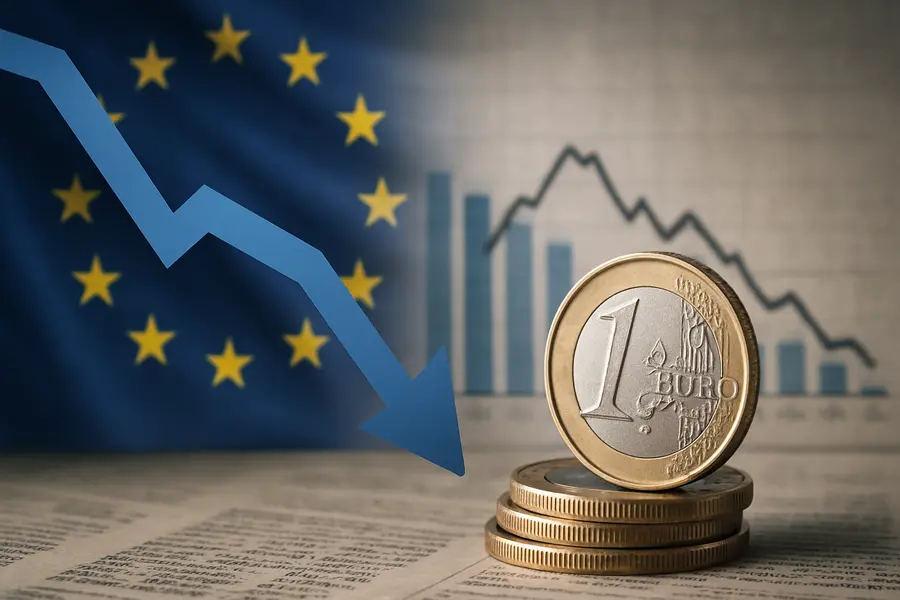
Eurozone inflation eased to 3.0% in June — the first slowdown since the Iran war began — as energy prices moderate and the ECB holds its new tightening course.
- Euro area CPI fell to 3.0% in June 2026 from 3.2% in May, the first month-on-month deceleration since the Iran conflict began in early 2026.
- Energy costs surged 10.9% year-on-year in May after Dutch TTF gas nearly doubled to above €60/MWh in March, the primary driver of war-era inflation.
- The ECB raised its deposit facility rate to 2.25% in June — its first hike since September 2023 — and does not project a return to 2% inflation until 2028.
Lead
The euro zone recorded its first decline in consumer-price growth since the Iran war erupted, with headline inflation easing to 3.0% in June 2026 from 3.2% the prior month. Estimates drawn from national data across the bloc's four largest economies — Germany, France, Spain and Italy, with Italy the sole exception — signal a fragile deceleration after months of conflict-driven energy shocks that forced the European Central Bank to restart an interest-rate tightening cycle it had concluded less than three years earlier.
What Happened
The Eurozone inflation slowdown in June marks the first break in a rising-price trajectory that began when the Iran conflict disrupted global energy supply chains in early 2026. Before June, each successive monthly reading had equaled or exceeded the prior one, deepening pressure on households already bearing the cumulative weight of post-pandemic price surges and the 2022 energy shock triggered by Russia's invasion of Ukraine.
The June print benefits partly from base effects and a partial stabilization in wholesale energy prices, though the reading remains well above the ECB's 2.0% target. Food, alcohol, and tobacco inflation eased to 2.0% in May from 2.4% previously, while services prices have remained sticky, reflecting second-round pressure on wages and broader cost structures across the 20-member currency bloc.
The Iran War's Energy Shock
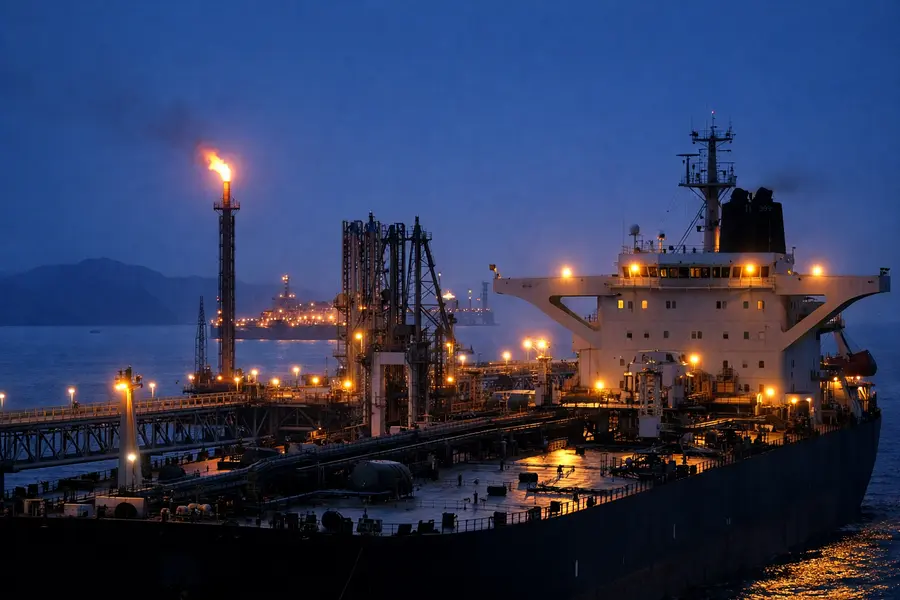
Iran war economic impact on Europe has been severe and concentrated in the energy sector. The closure of the Strait of Hormuz following the outbreak of hostilities constituted what the International Energy Agency characterized as the largest supply disruption in the history of the global oil market.European gas storage entered the conflict period at critically low levels — approximately 30% of capacity following an exceptionally harsh 2025–2026 winter — leaving the continent with little buffer against the sudden suspension of Qatari liquefied natural gas shipments. Dutch TTF benchmark gas prices nearly doubled to above €60 per megawatt-hour by mid-March.
Industrial sectors absorbed the shock unevenly. Chemical and steel manufacturers imposed surcharges of up to 30% on customers to offset surging electricity and feedstock costs, intensifying concerns about the long-term competitiveness of energy-intensive industries and raising the prospect of structural deindustrialization across Germany and parts of northern Italy. Energy costs across the bloc surged 10.9% year-on-year in May, the steepest reading since February 2023 and the single largest contributor to elevated headline CPI throughout the conflict period.
ECB Policy Response
ECB policy shifted decisively as European inflation news worsened through the conflict. The Governing Council voted in June to raise its three key interest rates by 25 basis points, lifting the deposit facility rate to 2.25%, the main refinancing rate to 2.40%, and the marginal lending facility rate to 2.65%, effective June 17, 2026.The move reversed a prolonged pause and marked the ECB's first rate increase since its prior tightening cycle concluded in September 2023. Policymakers indicated the decision was robust across a range of scenarios mapping the intensity and duration of the energy shock, as well as the scale of second-round effects on wages and broader price-setting behavior.
Eurosystem staff projections released alongside the June meeting forecast headline inflation averaging 3.0% in 2026, falling to 2.3% in 2027 and returning to the 2.0% target in 2028. Core inflation — stripping out food and energy — is projected to remain elevated at 2.5% in both 2026 and 2027, before settling at 2.2% in 2028.
Economic Strain
The broader Iran war economic impact on the euro area extends well beyond prices. The IMF cut its 2026 growth forecast for the bloc to 1.1% from a pre-war projection of 1.4%, citing the dual drag of higher energy costs and weakening external demand. The eurozone's private sector slipped into contraction in April — its weakest performance in roughly 18 months — as the conflict simultaneously compressed business margins and suppressed consumer confidence.
Stagflation risk, a combination of stagnant growth alongside above-target inflation, has emerged as the central medium-term concern for the currency union. Economists at multiple institutions have raised their inflation projections for 2026 in successive revisions since the conflict began.
Outlook
The June Eurozone inflation slowdown offers the first evidence that the energy price surge triggered by the Iran war may be approaching a peak, but the path back to the ECB's target remains long and contingent. The central bank's own projections embed two more years of above-target inflation before convergence in 2028, a timeline anchored on the assumption that the conflict does not intensify materially from current levels.
Industrial cost structures, sticky services prices, and labor market dynamics all represent upside risks to that baseline. With the deposit facility rate at 2.25% and the path for further tightening explicitly data-dependent, the next critical readings — July CPI and second-quarter GDP — will determine whether June marks the beginning of a sustained disinflationary trend or a brief and fragile pause within a still-elevated price environment.
Mentioned tickers: TTF