Pomegra
The US dollar index climbed to 100.3 Monday, its strongest level since late June, as the Federal Reserve's first interest rate increase since 2023 and a hawkish forward guidance squeezed emerging-market currencies and tightened global financial conditions.
- DXY rose to 100.3 Monday, extending last week's 1.1% gain to its highest mark in nearly three months.
- The Fed raised its benchmark rate by 25 basis points to 3.75%-4.00% in a unanimous 12-0 vote, signaling at least one more hike before year-end.
- WTI crude slid toward $93.50 for a fourth consecutive session as Middle East diplomacy reduced near-term supply fears, partially offsetting dollar-driven commodity pressure.
Lead
The US dollar index extended a six-session winning streak Monday, climbing to 100.3 - its highest level since late June - after the federal reserve's 17 September decision to raise interest rates 25 basis points to a target band of 3.75%-4.00% continued to ripple through global currency and commodity markets. The move, the first rate increase since July 2023 and approved unanimously, marked a decisive end to the central bank's three-year pause and reanchored expectations for a persistently restrictive policy stance well into 2027.
What Drove the Dollar to a Three-Month High?
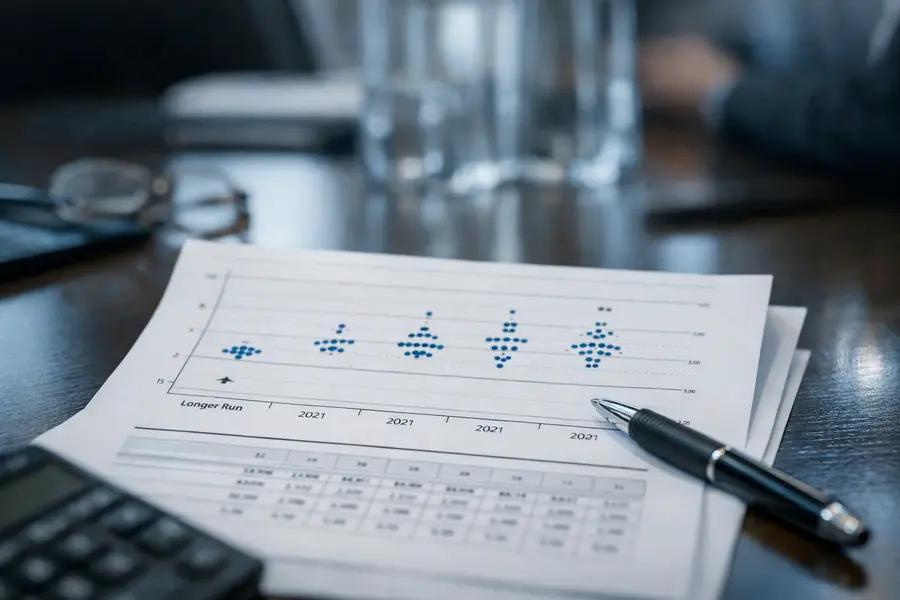
Federal Reserve Chair Kevin Warsh's hawkish pivot, telegraphed in his 28 August Jackson Hole address, crystallized into action when the Federal Open Market Committee raised interest rates for the first time in three years. The accompanying Summary of Economic Projections showed the median committee member penciling in one additional 25-basis-point increase before December, with four officials projecting two further moves. The post-meeting statement cited "elevated" inflation - headline PCE running at 3.7% and core PCE at 3.4% for 2026 - as justification for sustained tightening. With the 10-year Treasury yield hovering near 5%, a level last seen in 2007, real rate differentials widened sharply against major peers, pulling capital into dollar-denominated assets and lifting the index more than 2% over the past two weeks.
Emerging-Market Currencies Under Pressure
The greenback's surge has become an acute stress test for developing economies. Local currency debt weakened across 18 of 20 tracked emerging markets last week, with foreign exchange depreciation accounting for the bulk of losses. Nations carrying large dollar-denominated external debt face compounding costs: as the dollar strengthens, the local-currency value of repayments rises even if interest rates in those countries remain unchanged. Latin American markets showed mixed resilience - Brazil's Ibovespa is up more than 20% over the past year, supported by the Copom's domestic rate-cutting cycle - but the broader carry trade cushion that has anchored regional currencies throughout 2026 has grown visibly thinner. Central banks in Asia and Eastern Europe intervened selectively to limit disorderly moves, though sustained defense of currency levels remains costly against a backdrop of still-elevated US interest rates.
Why Are Oil and Commodity Prices Falling?
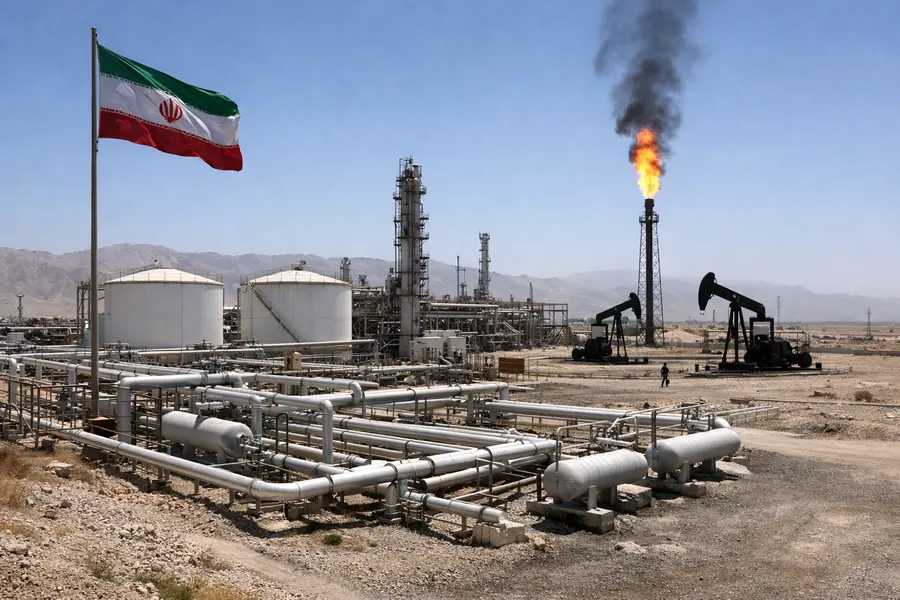
WTI crude fell to approximately $93.50 per barrel Monday, its fourth consecutive down session, driven by a combination of dollar headwinds and easing geopolitical risk. Over the weekend, reports emerged that US President Trump had declined calls to conduct military strikes against Yemen's Houthi forces and signaled openness to meeting Iranian President Masoud Pezeshkian on the sidelines of the UN General Assembly in New York this week. The prospect of de-escalation in the Middle East reduced near-term supply disruption fears that had elevated oil prices through August. For commodity markets broadly, a stronger dollar raises the effective cost of dollar-priced raw materials for buyers operating in weaker currencies, reducing demand and pressing prices. Gold - tracked in equity markets through SPDR Gold Shares (GLD) - bucked the broader selloff, edging to a one-week high near $4,380 as lower oil prices eased inflation fears and drew safe-haven flows, though gains remained capped by dollar strength.
How Does This Affect the Fed's Next Move?
The oil decline introduces a complicating factor for the federal reserve's path. Cheaper crude directly reduces energy costs and can pull headline inflation lower within one to two months, which could weaken the case for the second anticipated rate hike. However, core PCE - the Fed's preferred gauge - strips out energy and food, and remains sticky at 3.4%. Chair Warsh has consistently framed the committee's mandate around sustained progress toward the 2% target rather than transitory commodity swings. Markets are currently pricing roughly 65% odds of a further 25-basis-point move at the November FOMC meeting, with the terminal rate debate centered on whether 4.25% or 4.50% represents the cycle ceiling. Prime rate, which moves in lockstep with the Fed funds rate, now stands at 7.00% - the highest since early 2001 - weighing on credit costs across consumer and corporate borrowers. A review of prime rate history shows the current level is among the most restrictive in over two decades, amplifying the transmission of tighter monetary policy into the real economy.
How to Buy Treasury Bonds in a High-Rate Environment
Short-duration and intermediate Treasury bonds have drawn heightened interest as yields approach levels that offer competitive real returns. With the 10-year at approximately 5%, institutional buyers have rotated into government paper as a hedge against further equity volatility, reinforcing dollar demand in the process.
Outlook
The dollar's trajectory through the rest of 2026 hinges on three variables: the speed at which core inflation responds to tighter financial conditions, the durability of the Middle East diplomatic opening and its effect on energy prices, and the pace at which other major central banks - particularly the European Central Bank - adjust their own rate paths. If the Fed proceeds with a November hike and oil remains subdued, the DXY could test resistance near 102. A diplomatic breakthrough in the Middle East that meaningfully reduces oil further would compress headline inflation faster than consensus expects, potentially opening a window for the Fed to pause earlier. Until clarity emerges on at least one of those fronts, emerging-market currencies and dollar-priced commodities face continued headwinds from interest rates that remain the highest in a generation.
Mentioned tickers: GLD