Pomegra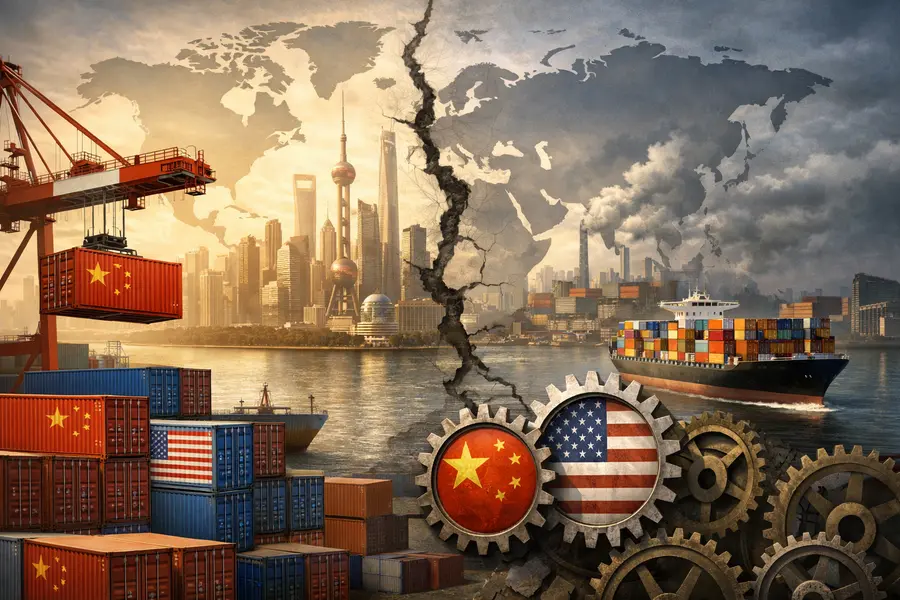
China's record trade surplus, persistent deflation, and technology export surge are straining global trade and raising world economy stability risks in 2026.
- Beijing set its lowest GDP growth target in three decades at 4.5%–5%; the IMF projects 4.5% and the World Bank 4.4% for 2026.
- China's 2025 trade surplus reached a record $1.2 trillion; high-tech exports surged 50.9% year-on-year in the first five months of 2026.
- Deflation has persisted for ten consecutive quarters and property investment has collapsed 50%–80% from its 2020–2021 peak, keeping domestic demand suppressed.
Lead
China's $20.8 trillion economy reached a structural turning point in mid-2026. Record export volumes and surging technology shipments mask an economy mired in a deflationary spiral entering its tenth consecutive quarter. Beijing set its lowest official GDP growth target since the early 1990s — a range of 4.5% to 5% — as the International Monetary Fund projected 4.5% and the World Bank 4.4%, with both institutions warning that the country's export-led model is generating destabilizing spillover effects across the world economy.
What Is Happening
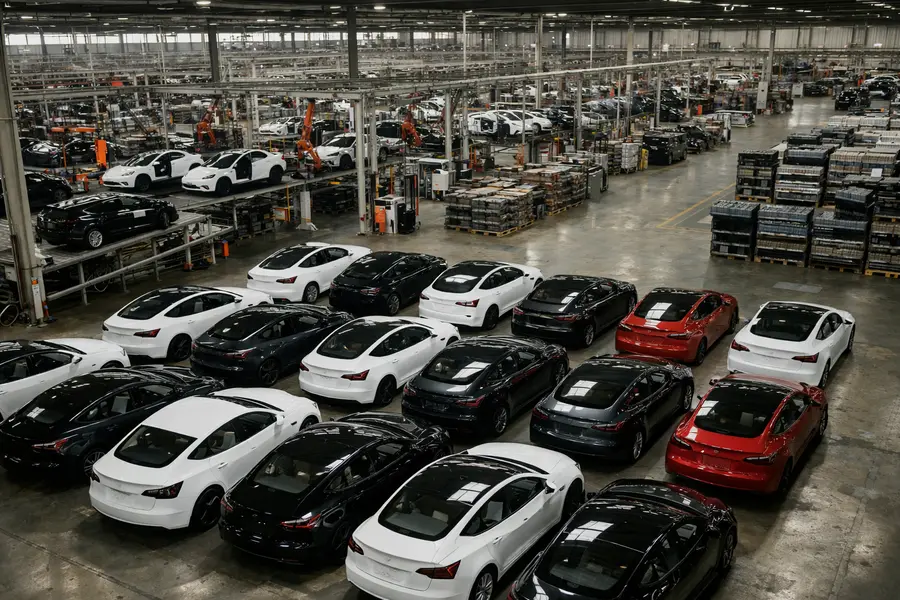
China's economic transformation in 2026 is defined by a widening gap between its external dynamism and internal weakness. Exports rose 15.5% in the first five months of the year, with high-tech goods surging 50.9% on the back of global artificial intelligence investment demand. Mechanical and electrical products — representing 61% of total exports — grew 27.4%. The May 2026 trade surplus alone reached $105.4 billion, and the cumulative January–May figure totaled $451.7 billion.The 2025 annual surplus of $1.2 trillion was the largest ever recorded for any country. Analysts at the Peterson Institute for International Economics warned the figure has further room to rise as Chinese industrial capacity continues to outpace domestic absorption and firms redirect unsold inventory to overseas markets.
Domestically, the picture remains considerably more subdued. China's property sector — historically the engine of household wealth formation — is in its fifth year of decline. Real-estate investment has plunged 50%–80% from its 2020–2021 peaks across key metrics including new home starts, sales, and construction. Fixed-asset investment fell 3.8% in 2025, the first annual contraction in decades. Youth unemployment stands at 16.9%.
The Deflation Trap
China's deflation has become the central risk frame for this cycle. Producer prices have been contracting for more than three years; the consensus forecast for producer price inflation sits at approximately -1.0%, with Goldman Sachs projecting a slightly firmer -0.7%. Eurasia Group ranked the deflation trap among its top global risks this year, identifying a self-reinforcing cycle: falling property values suppress household consumption, which reduces business revenue, which cuts hiring, which feeds further price contraction.Beijing's policy response has included mortgage rate cuts, down-payment reductions, and the lifting of purchase restrictions in major cities. The IMF recommended fiscal support for the property sector of roughly 5% of GDP over three years, with up to 0.9% allocated to 2026. The government is running a budget deficit of approximately 4% of GDP — the highest on record going back to 2010. Despite the scale of these interventions, consumer confidence has not durably recovered, and China's domestic market remained stagnant through the second quarter even as massive stimulus was deployed.
Global Trade Pressures
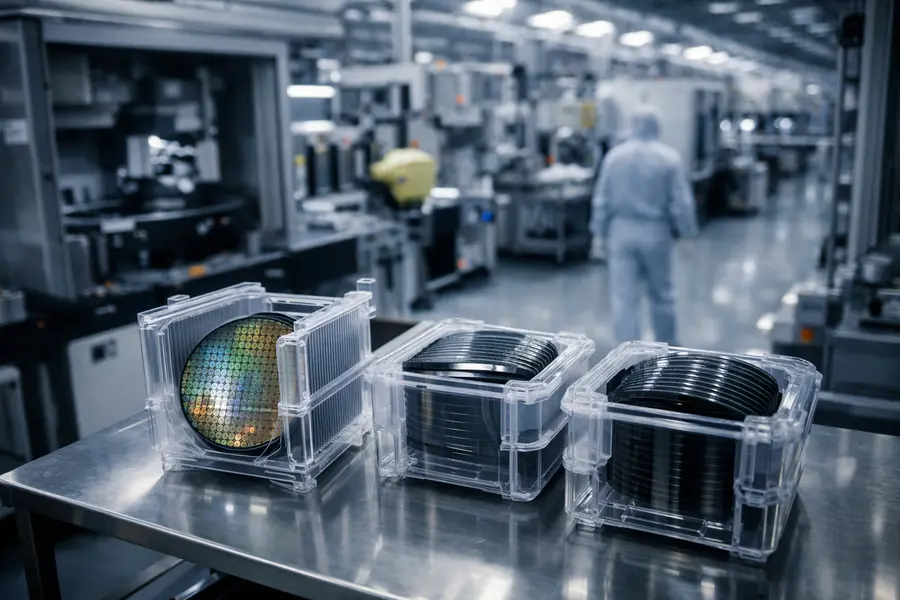
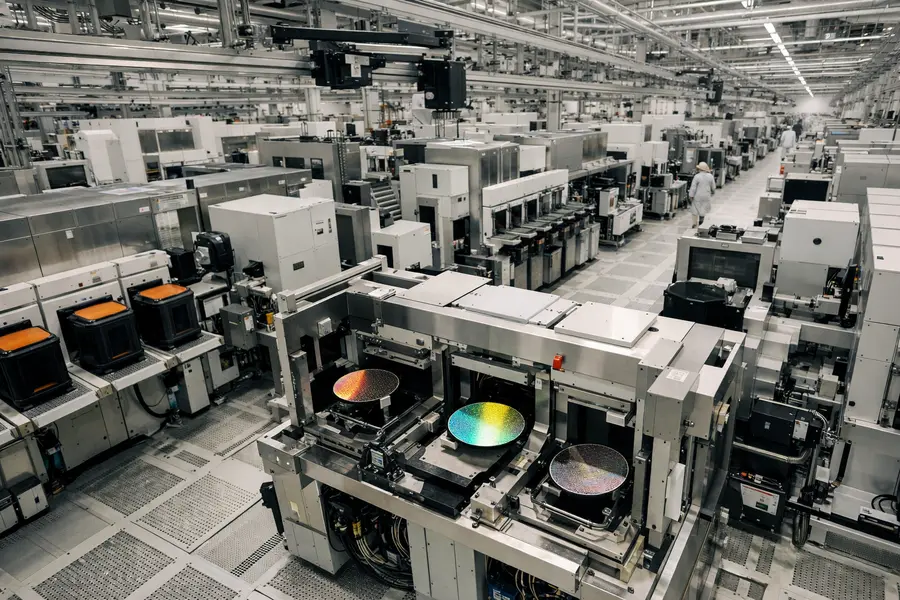
The global trade consequences of China's structural transition are now broadly felt. With domestic demand weak, Chinese producers are aggressively redirecting output to overseas markets, intensifying competition in electric vehicles, solar panels, industrial machinery, robotics, and semiconductors. The IMF formally assessed that the high volume of Chinese exports is creating adverse spillover effects and eroding market share for producers across advanced economies — particularly in Europe and Asia.
Trade with emerging markets has expanded more than 10% annually since 2021 as Beijing diversified away from Western partners facing rising tariff walls. Exports to ASEAN, Latin America, Africa, and Central Asia have absorbed a substantial portion of volumes previously directed to the United States, whose tariff escalation from 2025 sharply curtailed bilateral flows. Despite that bilateral contraction, China's total surplus has continued to expand.
China Geopolitics Dimension
The China geopolitics backdrop sharpens the challenge. The ongoing trade confrontation with Washington — centered on elevated tariffs and export controls targeting advanced semiconductors and AI hardware — has not materially slowed Chinese technology exports, which have found alternative supply chains and buyers across non-aligned markets. Premier Li Qiang made an unusually candid acknowledgment at the National People's Congress in March that the U.S. "tariff shock" had weighed on growth, though last year's stimulus had cushioned the impact.
Supply-chain fragmentation is reshaping global trade architecture. A McKinsey Global Institute update published this year found that trade corridors between geopolitically aligned blocs are deepening as trade between rival blocs contracts — a pattern that erodes global efficiency gains and raises systemic costs. Separately, Middle East shipping disruptions continue to affect energy markets and route economics, adding logistical uncertainty for Chinese exporters dependent on maritime freight.
World Economy Spillovers
The world economy is absorbing these pressures at a structurally vulnerable moment. Global growth is projected to slow to 2.5% in 2026, with emerging market and developing economies facing their weakest per capita income growth since the pandemic. Global public debt is on track to surpass 100% of GDP by 2029 — a level not seen since 1948 — constraining the fiscal capacity of governments worldwide to respond to a Chinese demand shortfall or further escalation in trade barriers.
UNCTAD's 2026 trade foresight identified geopolitical challenge as the defining feature of the current trade environment, with rising tariff barriers and investment screening reducing allocative efficiency across the global system precisely when structural adaptation demands greater openness.
Outlook
China's economic transformation — from high-speed, investment-led growth toward a slower, externally oriented model — is now the single most consequential variable in global trade and financial stability calculations. The record trade surplus reflects genuine industrial competitiveness but equally reflects a domestic demand failure that neither trade diversification nor technology sector strength has been able to offset. With property recovery likely years away and deflationary pressures entrenched, Beijing's path forward requires sustaining growth without intensifying the China geopolitics friction that could close off remaining export markets. For the world economy, the central question is whether Chinese export acceleration will compress margins and employment across a widening range of industries before a durable domestic consumption recovery can rebalance the relationship.
Mentioned tickers: FXI, MCHI, KWEB