Pomegra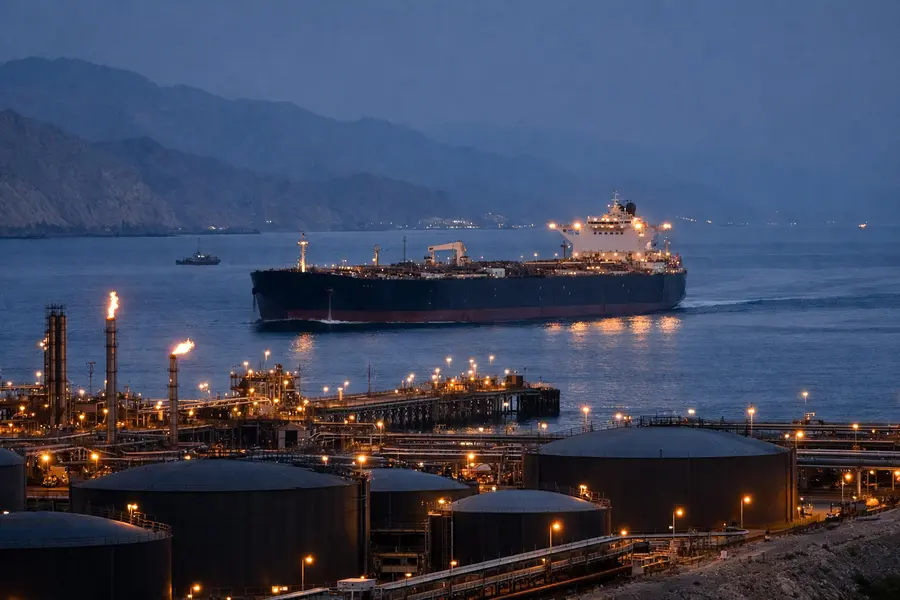
Brent crude settled near $91 and WTI topped $85 per barrel as Iran's conditions for reopening the Strait of Hormuz kept global oil supply in deficit and negotiations at an impasse.
- Brent settled near $91 and WTI topped $85 as the IEA flags a global oil supply deficit of 1.8 million barrels per day this quarter.
- Crude tankers are going dark for longer as Hormuz daily transits fell from about 130 to as few as 8-15 vessels since the conflict began.
- Iran has conditioned any Hormuz reopening on U.S. sanctions relief and war reparations, leaving no clear timeline for resolution.
Lead
Brent crude settled near $91 per barrel Tuesday while West Texas Intermediate (WTI) topped $85, as five months of Persian Gulf disruption defied diplomatic resolution and kept physical oil markets in structural deficit. The Strait of Hormuz - the chokepoint through which roughly 20% of global oil consumption ordinarily transits - now processes as few as 8 to 15 tanker crossings per day against approximately 130 before the Iran-U.S. conflict erupted in late February. Iranian Foreign Minister Abbas Araghchi confirmed Sunday that the waterway would remain shut until Washington eased sanctions on Tehran and paid war reparations - demands the U.S. has rejected outright - leaving no credible pathway to a near-term opening.Why Have Oil Prices Stayed High Despite Easing From July Peaks?
Prices remain elevated because the physical supply shortfall has no near-term fix, even as markets have partially digested the shock. The International Energy Agency estimates a global oil deficit of 1.8 million barrels per day for the current quarter, with over 14 million barrels per day of Middle East supply disrupted by Iran-related closures - the single largest disruption in oil market history. Benchmark prices spiked as high as $105 per barrel in late July after the collapse of a mid-June ceasefire agreement; the subsequent retreat to the mid-80s and low-90s reflects accelerated draws on global stockpiles, a modest increase in U.S. production, and partial rerouting of Gulf producer exports through overland pipelines. But those offsets narrow rather than close the gap, and the market's baseline is one of persistent undersupply rather than recovery.
What Are Crude Tankers Doing to Keep Oil Moving?
Crude tanker operators have adapted to the conflict by extending the windows during which vessels disable their Automatic Identification System transponders, a tactic first employed when the war began. Supertankers that once went dark for a few hours while crossing the Strait of Hormuz now stay off-grid for substantially longer periods as they navigate both Hormuz and the Bab el-Mandeb strait further south. The tactic keeps oil barrels moving but compounds the difficulty of monitoring real-time supply flows, drives up war-risk insurance premiums for every barrel transiting the zone, and inflates the end cost of physical crude for buyers in Asia and Europe. Shipping data from MarineTraffic and vessel-tracking platforms confirm that unofficial crossings above the official 8-to-15 count do occur - including ship-to-ship transfers conducted outside transponder range - but the aggregate volume remains far below the pre-conflict baseline.Market Reaction
Energy markets have priced in a durable geopolitical risk premium, while simultaneously tracking any signal of diplomatic progress. China, the largest buyer of Hormuz crude, has drawn down state reserves and trimmed seaborne import volumes in response to elevated tanker costs, providing a partial demand offset. U.S. crude production has risen to partially substitute for Gulf shortfalls, and key Gulf producers - Saudi Arabia, the UAE, and Iraq - have redirected incremental volumes through pipeline corridors where capacity permits. Still, those measures absorb only a portion of the Hormuz-related loss. Gasoline prices in the United States reached a near 20-month high earlier in August, and heating oil has surged further as warnings of tightened autumn supply have intensified. The United States Oil Fund (USO) has tracked the WTI move higher, reflecting broad market positioning in favor of continued energy price strength.Geopolitical Dimension
Iran and Oman have maintained technical-level contacts on the conditions for restoring commercial shipping lanes, but Araghchi's Sunday statement exposed the gap between the sides. Tehran's twin demands - formal sanctions easing and war reparations - represent a substantive escalation beyond the confidence-building steps Washington has so far offered. Periodic U.S. military strikes in southern Iran and retaliatory Iranian threats to Gulf shipping have reinforced a risk premium that market participants now treat as structural. The Iran-Oman diplomatic channel remains the only active track, but with no timeline attached and no public framework in place, traders are assigning a low probability to a near-term resolution.
Outlook
Brent and WTI face an asymmetric risk profile in the weeks ahead. The IEA's August oil market report identifies continued deficit conditions through the end of the third quarter, with demand in Asia proving resilient and North American supply growth unable to fully compensate for Gulf losses. A further deterioration in Hormuz negotiations or a renewed escalation in military activity reopens the path toward $100 per barrel. Conversely, even a preliminary ceasefire outline or a credible transit agreement would rapidly flush the risk premium from prices given the elevated level of speculative positioning currently in the market. Until diplomatic clarity emerges, oil barrels are likely to remain expensive, crude tanker economics will stay distorted by conflict-zone costs, and physical benchmarks will reflect a world still living with the most severe energy supply disruption of the decade.