Pomegra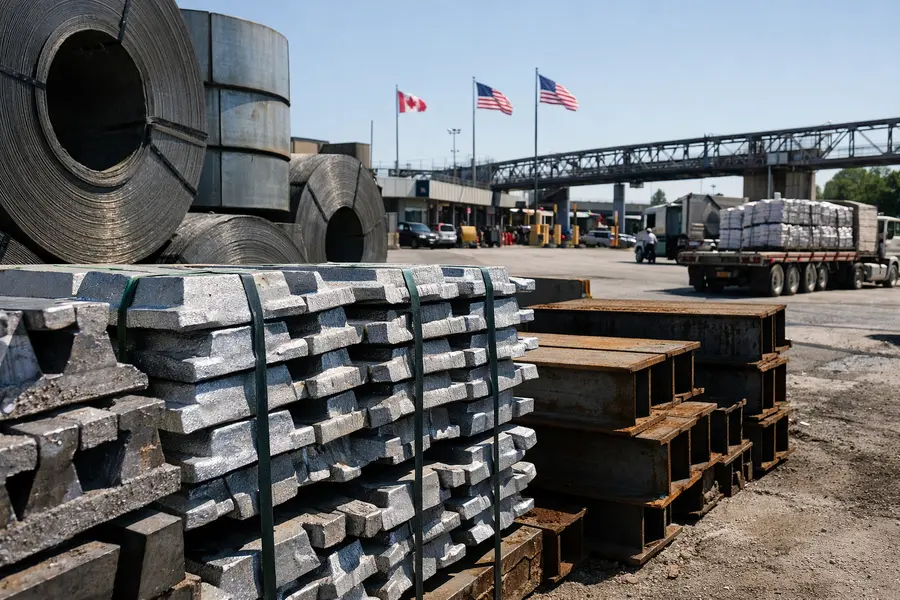
Canadian exporters face a sweeping 50% US tariff on $20 billion in cross-border goods taking effect Wednesday as Ottawa and Washington remain apart on the terms of a deal.
- The US Section 338 tariff activates at 12:01 a.m. August 19, covering an estimated $20 billion in annual Canadian exports across dozens of product categories.
- Trade Minister Dominic LeBlanc and US Trade Representative Jamieson Greer have met five times in four weeks, with both sides acknowledging a continuing gap.
- Roughly 100,000 Canadian jobs face direct disruption if the tariffs proceed, with dairy, lumber, wine, and automotive sectors most exposed.
Lead
The canada us border entered its most consequential 48-hour stretch in decades as a 50% US tariff on an estimated $20 billion in Canadian goods prepared to activate at 12:01 a.m. on August 19, 2026. Invoked under Section 338 of the Tariff Act of 1930 - a Depression-era statute rarely deployed in modern commerce - the measure spans dozens of product categories and threatens to structurally reshape the world's largest bilateral trading relationship, valued at more than $900 billion annually. High-level negotiations continued in Washington Monday afternoon with no agreement announced.
What Goods Cross the Canada US Border Under the New Tariff?
The Section 338 schedule is sweeping. Wine, furniture, lumber, plywood, doors, cement, dairy products, clothing, footwear, seeds, fishing rods, hockey sticks, swimming pools, and electronics all appear on the product list. So do telecom equipment, plastics and packaging, cosmetics and fragrances, and a range of agricultural inputs. Trade containers crossing into the United States after midnight Tuesday carrying these goods face a 50% ad valorem duty stacked on top of existing levies, including elevated steel and aluminum tariffs already in force. Separately, de minimis treatment - the provision allowing shipments under US$800 to enter duty-free - is being eliminated for Canada effective August 29, closing a secondary relief valve for smaller shippers.
Why Did the US Invoke Section 338?
Section 338 of the Tariff Act of 1930 authorizes the president to impose duties on imports from countries found to discriminate against US commerce. The Trump administration applied the designation in response to what it described as Canada's unequal treatment of American goods, identifying the country's supply-managed dairy system, provincial restrictions on the sale of American alcohol, and Canada's retaliatory auto tariffs as the primary points of contention. The legal framing bypasses standard dispute mechanisms, giving the executive branch broad unilateral latitude over timing and rate levels.
Where Do Talks Stand?
Negotiators remain apart. Trade Minister Dominic LeBlanc and chief negotiator Janice Charette have met with US Trade Representative Jamieson Greer five times since late July, including a Sunday virtual session both sides described as "constructive" while confirming a continuing gap. A follow-on meeting Monday at the Department of Commerce added Commerce Secretary Howard Lutnick to the US delegation. Canada's position, signaled clearly to American counterparts, is that the August 19 tariffs - if activated - could suspend the negotiating process itself, a warning designed to pressure Washington into holding the deadline in abeyance.
The framework under discussion pairs Canadian concessions on dairy quota structure and provincial alcohol restrictions with US commitments to shelve the Section 338 schedule and reduce existing steel and aluminum levies. Energy, defense procurement, and critical minerals have been bundled into the package as incentives for Washington. Prime Minister Mark Carney and President Trump are expected to receive a joint presentation of negotiated options once lower-level talks produce a draftable framework - a step that had not been reached as of Monday afternoon.
How Exposed Are Canadian Exporters?
The Section 338 list captures roughly 5% of Canada's total exports to the United States, but the concentration of impact within targeted categories is acute. Canada's wood products sector - already under sustained pressure from western wildfires and legacy lumber tariffs - faces a compounded levy. The wine industry in British Columbia and Ontario, with harvests still recovering from wildfire-related losses, views a 50% duty as potentially fatal to US-bound shipments. Dairy producers operating within Canada's supply management framework face quota disruption if US access demands form part of any final settlement.
Automotive exposure is systemic. More than 90% of Canadian-built vehicles are exported to the United States, and the cross-border supply chain is so integrated that disruption in one direction propagates rapidly in both. Roughly 100,000 Canadian jobs are directly vulnerable to layoffs or reduced hours should the tariffs hold. The Canadian dollar has traded under consistent pressure against the US dollar through August as currency markets price in escalating trade risk.Outlook
The negotiating window closes Tuesday night. Both governments are signaling a desire to reach agreement, but the structural gap on dairy access and provincial alcohol rules - the US side's stated non-negotiables - has not closed in five rounds of talks. If the 50% tariffs take effect Wednesday as scheduled, attention will shift to retaliatory measures Ottawa has prepared and to whether dialogue continues under a live tariff regime or enters a broader suspension. The iShares MSCI Canada ETF (EWC) and sector indices covering lumber, dairy, and consumer goods will reflect market judgments on those outcomes within the first hours after the deadline passes.