Pomegra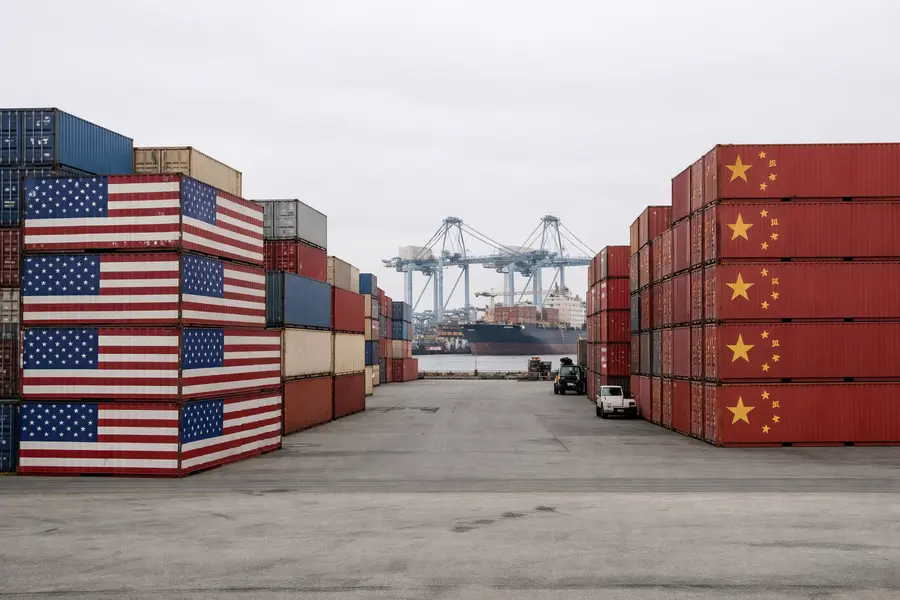
Bessent confirms US-China trade truce extension to January 10, 2027 on Fox News, removing a key macro overhang for multinationals heading into Q4 2026.
- The US-China trade truce, set to expire in November 2026, has been extended two months to January 10, 2027.
- Treasury Secretary Scott Bessent confirmed the extension on Fox News, citing sustained diplomatic engagement.
- The news offers rare positive geopolitical momentum as the Mideast energy crisis continues to pressure global growth.
US-China Trade Truce Gets Two-Month Reprieve
The United States and China have extended their bilateral trade truce by two months, with the new expiration date set at January 10, 2027. Treasury Secretary Scott Bessent confirmed the agreement on Fox News, describing the extension as a product of continued diplomatic engagement between the two governments. The announcement removes a hard deadline that had weighed on corporate planning and financial markets today, with executives across multiple sectors having braced for a potential tariff escalation in the fourth quarter.
Why Did Markets React Positively?
Equity futures moved higher after the announcement as investors recalibrated the probability of a fresh tariff shock heading into the year-end period. Companies carrying deep supply chain and revenue exposure to China - including Apple (AAPL), Nvidia (NVDA), Amazon (AMZN), and Walmart (WMT) - registered early relief in pre-market trading. Both the S&P 500 and the Nasdaq had been pricing in some probability of truce expiration without renewal; the extension reduces that tail risk for the remainder of 2026.
The truce, established earlier this year, suspended planned tariff increases on hundreds of billions of dollars in bilateral goods. An expiration without renewal would have triggered automatic reinstatement of those levies, disrupting supply chains that multinationals have spent years restructuring since the first wave of US-China trade tensions.
What Does the Extension Mean for Multinationals?
For corporations managing dual US-China exposure, the two-month window delivers operational certainty through the critical holiday shipping and inventory cycle. Microsoft (MSFT) and Amazon, both with cloud infrastructure and consumer electronics dependencies on Chinese manufacturing, benefit directly from the continued tariff pause. Tesla (TSLA), which operates a Gigafactory in Shanghai and sources components across the region, faces reduced near-term uncertainty on vehicle pricing and margin projections.
The extension follows a now-established pattern of incremental diplomatic management rather than comprehensive trade normalization. Structural disputes over technology exports, semiconductor access, and market access for financial services remain unresolved. January 10, 2027 becomes the new focal deadline.
Geopolitical Context: A Rare Positive Signal
The US-China development arrives as one of the few constructive geopolitical headlines in a week dominated by the ongoing Mideast energy crisis, which has kept Brent crude elevated and global supply chains under pressure. The trade truce extension functions as a circuit-breaker: it prevents a second major macro shock from compounding the energy disruption already weighing on growth forecasts across the IMF and World Bank's revised outlooks.
Bessent framed the extension as evidence of sustained communication channels between Washington and Beijing - a signal that both governments are managing the relationship with deliberate restraint despite persistent friction over Taiwan, export controls on advanced semiconductors, and Chinese industrial overcapacity in steel, solar, and electric vehicles.
How Does This Affect the Fed's Next Move?
A US-China tariff escalation would have injected a fresh inflationary impulse into the US economy at a delicate moment for Federal Reserve rate policy. By forestalling that scenario, the January extension modestly reduces upside risk to inflation expectations heading into the central bank's year-end meetings. Policymakers had flagged renewed trade risk as a wildcard in their projections; shifting that deadline further down the calendar gives the Fed additional room to navigate without trade-driven price pressure layering onto existing energy-sector inflation.
Interest rates markets had partially priced in a reduced probability of further Fed easing precisely because of trade uncertainty; the extension strengthens the case for a more accommodative path if Mideast-driven energy inflation proves transitory rather than structural.
Outlook
The extension to January 10, 2027 buys both governments negotiating runway but resolves none of the structural disputes that have defined the US-China economic relationship for nearly a decade. Corporate supply chain decisions in semiconductors, consumer electronics, and industrial goods will remain in flux until a longer-term framework emerges. In the near term, the removal of a hard November deadline gives multinationals and equity markets one fewer variable to hedge against in the final quarter of 2026 - a modest but meaningful relief at a time when the macro backdrop offers limited comfort.