Pomegra

The Bank of Korea lifted its key rate 25 bps to 3.25%, the highest since November 2024, as chip-led growth and above-target inflation keep policy tight.
- The Bank of Korea raised its base rate 25 bps to 3.25% on Thursday, the highest since November 2024, in a 5-2 board vote.
- 2026 GDP growth forecast rose to 3.9% and 2027 to 4.1%, with October inflation at 2.8% against a 2% target.
- Most board rate projections sit above 3.25%, pointing to at least one more hike, with the consensus at 3.50% in early 2027.
Lead
The Bank of Korea raised its benchmark base rate by 25 basis points to 3.25% on Thursday, November 26, resuming its tightening cycle after a pause in October. The decision matched expectations: 32 of 34 economists in a Reuters poll had forecast the move. It lifts interest rates in Asia's fourth-largest economy to their highest level in two years. The board cited stronger domestic growth, inflation projected to stay above target for a considerable time, and persistent financial stability risks, including rising Seoul home prices.
What Did the Bank of Korea Decide and How Did the Board Vote?
The Bank of Korea raised its base rate to 3.25% from 3.00%, with five of seven board members in favor. Two members, Hwang Kunil and Lee Soohyung, voted to hold at 3.00%.
The increase is the third of the current cycle. The central bank raised rates in July and August, held in October, and has now moved again. The split vote shows the board is no longer unanimous on pace, even as most members back further tightening.
Why Is the Bank of Korea Still Tightening?
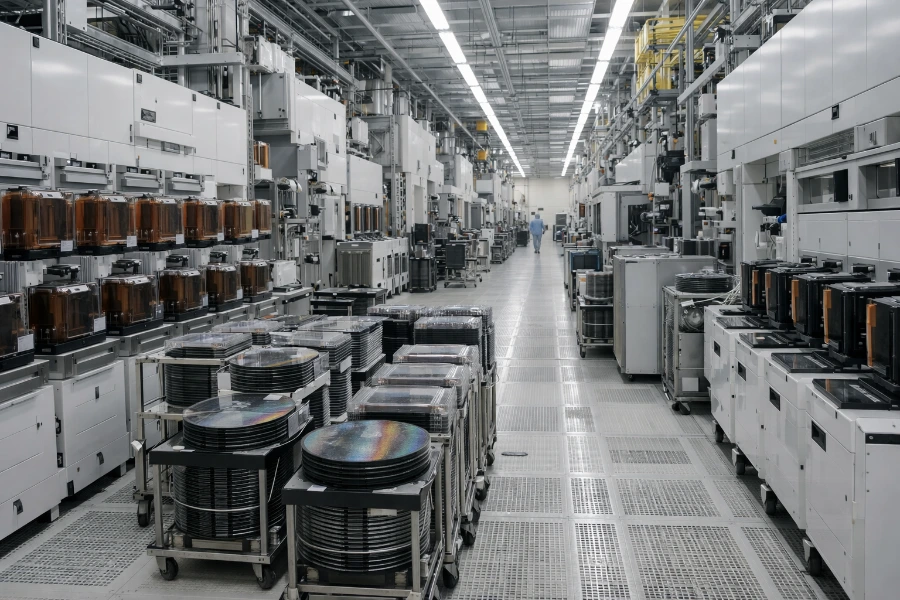
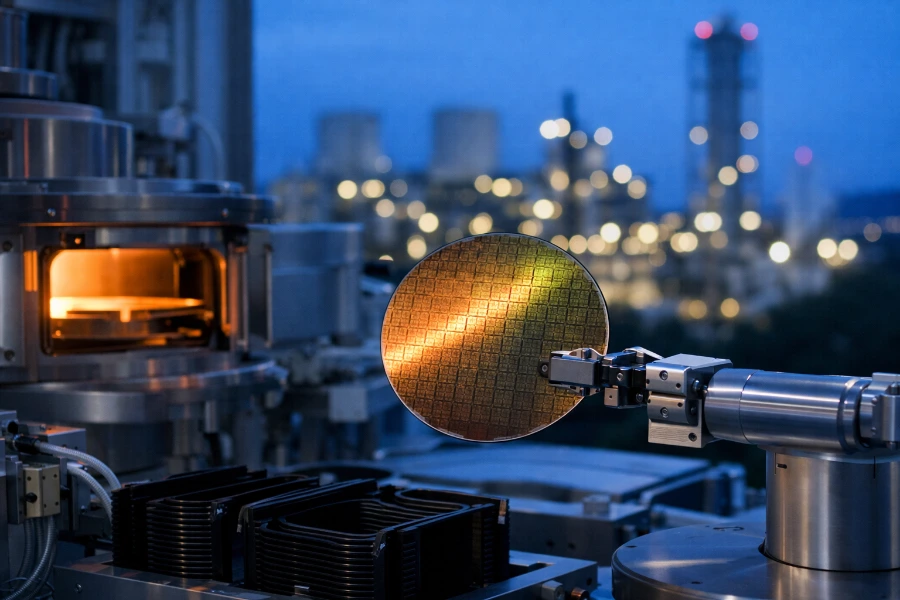
The central bank is tightening because an AI-driven semiconductor export boom is pushing growth well above its earlier projections while inflation remains above target. Chip shipments have nearly quadrupled from a year earlier and now make up almost half of total South Korean exports.
The bank sharply upgraded its growth outlook. It now sees GDP expanding 3.9% in 2026, up from 3.3%, and 4.1% in 2027, up from 2.9%. Growth is projected to ease to 3.0% in 2028.
Consumer price inflation stood at 2.8% in October, against the bank's 2% target. The updated projections put inflation at 2.7% in 2026, 2.4% in 2027 and 2.1% in 2028. That path leaves price growth above target for most of the forecast horizon, which is the main argument for keeping policy restrictive.
Housing is a second pressure point. Rising home prices in Seoul have added to concerns about household leverage and financial stability, a long-standing priority for Korean policymakers.
How Did Korean Markets React to the Rate Hike?
Korean markets treated the hike as largely priced in, with the won roughly flat to modestly stronger and the Kospi recovering part of a steep selloff. The benchmark Kospi had dropped about 6% on Wednesday as chip stocks, including Samsung Electronics (005930.KS) and SK Hynix (000660.KS), led the decline. It recovered roughly 1% to 2% on Thursday after the decision.
The sell-off underlines how concentrated Korea's equity market and export base have become. The semiconductor cycle that supports the case for higher rates also drives much of the volatility in domestic stocks. Government bond yields have also moved into the 3% range as markets reprice the path of policy.
What Does the Hike Signal About Future Rate Decisions?
The decision signals that the tightening cycle is not finished. Most of the board's rate projections for the next six months sit above the new 3.25% base rate. The bank said the timing of further increases will depend on inflation trends, domestic economic conditions and financial stability.
Market consensus points to one final hike, to 3.50%, in early 2027. Some local surveys put the peak as high as 3.75%. Governor Rhee Chang-yong's guidance is therefore as important to the won as the hike itself. A clear signal of another move would support the currency and lift short-term yields. Language suggesting the cycle is near its end would ease pressure on rate-sensitive sectors such as property and construction.
What Are the Risks to the Outlook?
The main risk is that the engine of Korean growth is also its main vulnerability. Strong chip demand underpins both the growth upgrade and the case for tighter policy. A slowdown in global AI infrastructure spending would hit exports, corporate earnings and equity valuations at the same time, and would weaken the case for further hikes.
The domestic side carries its own risks. Higher borrowing costs add pressure on indebted households at a time when home prices are rising. The central bank has to weigh that against the risk of letting above-target inflation become entrenched.
Korea's tightening also fits a broader pattern. Central banks across the world have been raising rates in 2026 as AI-related investment and energy costs keep price pressures elevated. That leaves little room for Seoul to ease before inflation shows a sustained decline toward 2%.
Outlook
The Bank of Korea has raised its base rate to 3.25%, with a 5-2 vote showing some internal caution. Growth forecasts of 3.9% for 2026 and 4.1% for 2027 and inflation above 2% through 2027 support another increase, most likely to 3.50% in early 2027. The path depends on chip exports, home prices and the won. A reversal in global AI spending is the main factor that could change it.
Mentioned tickers: 005930.KS, 000660.KS