Pomegra
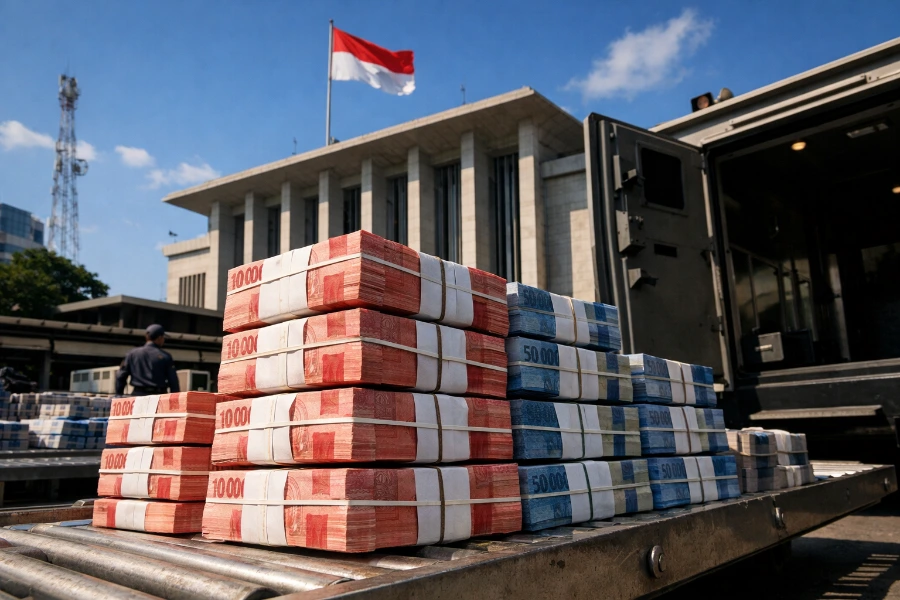
Bank Indonesia raised its key rate 25 bps to 6% to defend the rupiah after a record low near 18,200 per dollar, with another hike expected in December.
- Bank Indonesia lifted its benchmark rate 25 bps to 6% on Nov. 18, an unexpected move.
- The rupiah hit a record low near 18,200 per dollar and is down about 8.7% this year.
- Economists now expect a further hike at the December policy meeting.
Lead
Bank Indonesia surprised markets on Wednesday, raising its benchmark rate by 25 basis points to 6% to stem the slide in the rupiah. The currency had touched a record low of about 18,285 per dollar a day earlier, making it the weakest performer among emerging Asian currencies. The decision ended a four-month pause in policy moves and marks the central bank's first tightening in that period. Economists now expect another increase in December as interest rates become the main tool against capital outflows.What Did Bank Indonesia Decide?
Bank Indonesia raised its policy rate to 6% at its Board of Governors meeting on Nov. 17-18. The deposit facility rate rose 25 bps to 5.25%, and the lending facility rate rose 25 bps to 6.75%.
Markets had priced in no change, which made the move a surprise. The central bank described the hike as a step to strengthen rupiah stabilization against rising global uncertainty. It also called the move pre-emptive, aimed at keeping inflation for 2026 and 2027 inside its 2.5% target range, plus or minus 1 percentage point.
Why Did Bank Indonesia Raise Interest Rates?
The central bank raised interest rates to narrow the yield gap that has pushed investors out of rupiah assets. The currency has lost about 8.7% against the dollar this year, and the record low on Tuesday raised the cost of imported goods, fuel and dollar-denominated debt servicing.
A weaker currency feeds into consumer prices through imports, which threatens the inflation target. Higher rates raise the return on holding rupiah bonds and deposits, which supports demand for the currency. Rate moves are the central bank's primary lever alongside foreign-exchange intervention and bond-market operations.
Market Reaction
The decision followed a period of sustained pressure on Indonesian assets, with the rupiah the worst performer in emerging Asia. A surprise move signals that policymakers prioritize currency stability over near-term growth support. Tighter policy raises borrowing costs for households and companies in Southeast Asia's largest economy, where domestic consumption drives growth.
What Comes Next for the Rupiah and Policy?
Economists expect Bank Indonesia to deliver another 25 bp increase in December, which would take the benchmark rate to 6.25%. The path depends on whether the rupiah stabilizes below its record low and on the pace of foreign capital flows.
Three factors will shape the outcome:
- Dollar strength: A firmer dollar and higher U.S. yields would keep pressure on emerging-market currencies.
- Capital flows: Renewed foreign selling of Indonesian bonds would force further tightening or intervention.
- Inflation: Faster import-driven price increases would reinforce the case for higher rates.
A stable rupiah in coming weeks would reduce the need for additional hikes. A renewed slide toward or beyond 18,285 per dollar would make a December move more certain.
Outlook
Bank Indonesia has resumed tightening to defend the rupiah and its inflation target. The policy rate stands at 6%, and markets expect a further move in December. The central bank's priority is currency stability, and the direction of the dollar and foreign portfolio flows will determine how far rates need to rise.