Pomegra
Australia's S&P/ASX 200 gained 2.8% in FY26 as AI infrastructure stocks rebounded and Wall Street tailwinds helped offset steep declines across the broader technology sector.
- The S&P/ASX 200 closed FY26 at 8,823, with the materials sector surging 47.4% and supplying the bulk of index gains.
- AI infrastructure stocks including NEXTDC and Dicker Data posted double-digit revenue growth, diverging sharply from broader technology's 37% decline.
- S&P 500 and Nasdaq logged their best quarterly performance in six years, lifting ASX 200 FY26 gains through renewed Wall Street enthusiasm for AI spending.
Lead
SYDNEY — The S&P/ASX 200 closed Australia's 2026 financial year on June 30 at 8,823, a 2.8% advance from its July 1, 2025 opening level, capping a year defined by striking sector divergence and rising institutional focus on Australia's emerging role in global AI deployment. The benchmark added 59 points, or 0.7%, on the final trading session, with a late-year rebound in AI infrastructure stocks and sustained demand for critical minerals providing the twin engines of a modest but positive full-year return.
What Happened
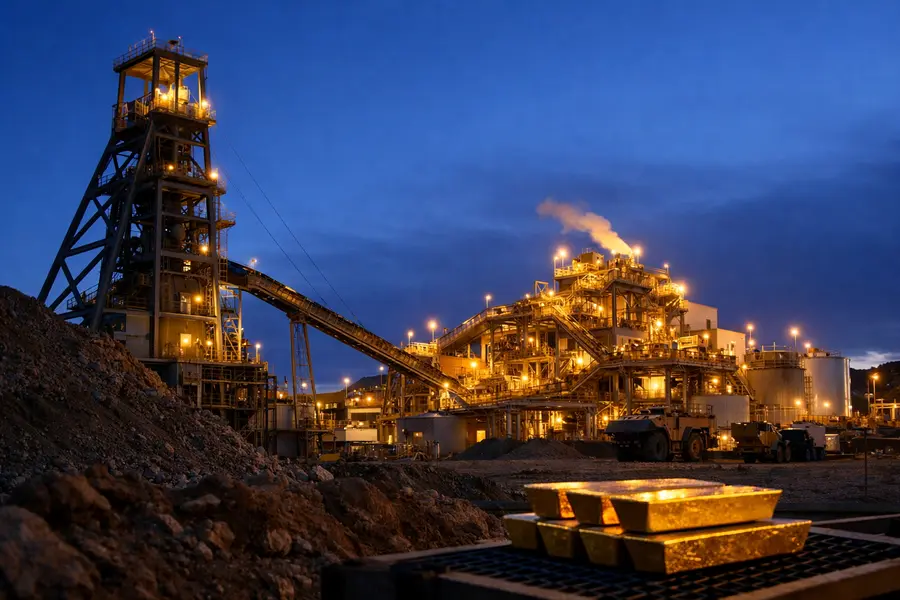
The Australian stock market news story of FY26 was written almost entirely in the materials sector. The S&P/ASX 200 Materials Index finished the financial year up 47.4%, powered by a 160% rebound in lithium prices from their July 2025 lows, record copper prices, and sustained institutional demand for rare earth and critical minerals linked to semiconductor manufacturing and the global energy transition. Fourteen of the index's 20 best-performing constituents were mining and resources companies. 4DMedical surged 1,787% across the year — a return that exceeded the combined performance of the next six best-performing ASX 200 stocks.
Technology, healthcare, and telecommunications sectors all posted negative returns. The S&P/ASX 200 Information Technology sub-index fell 37.06%, with healthcare down 37.47%, as high-valuation growth names were re-rated under cost-of-capital pressure. WiseTech Global and Xero ranked among the most prominent technology underperformers, both falling on company-specific events that compounded broader sector headwinds.
AI Stock Rebound
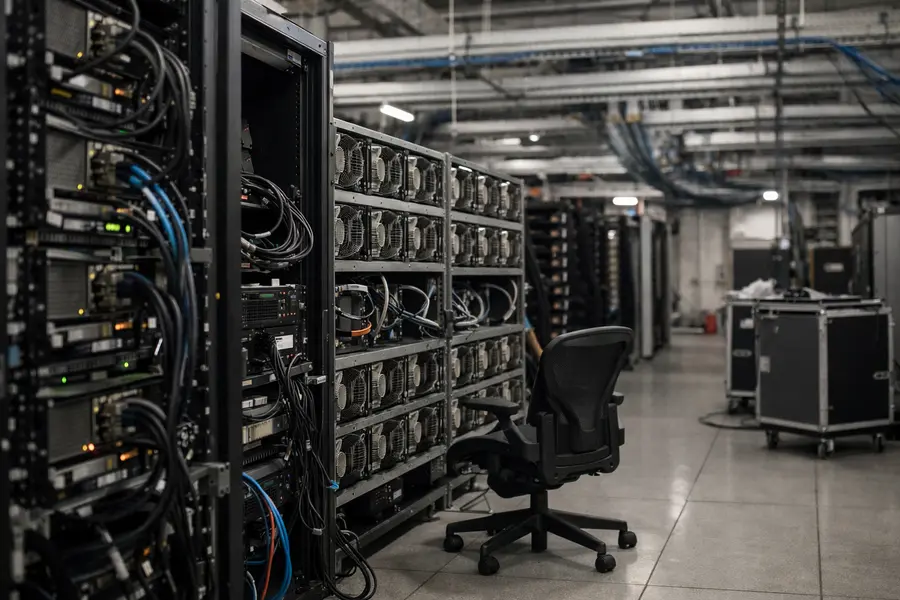
Within the technology sector's broadly difficult year, AI infrastructure names carved out a distinct and durable performance track. NEXTDC, Australia's leading data centre operator, advanced 17.9% for the calendar year. The company reported first-half FY26 revenue of A$231.8 million — up 13% year-on-year — while contracted utilisation rose 71MW, or 29%, to 316MW. Its pro-forma forward order book expanded 53% to 205MW, underpinned by accelerating demand from hyperscale cloud and AI workloads. A memorandum of understanding with OpenAI for a sovereign AI hyperscale campus and GPU supercluster at its Sydney facility, valued at approximately A$7 billion, positioned NEXTDC as the ASX 200's most direct proxy for global AI infrastructure capital spending.
Wall Street Impact
The Wall Street impact on Australian equities was pronounced in the final quarter of FY26. The S&P 500 and Nasdaq Composite logged their best quarterly performance in six years, driven by sustained AI capital expenditure commitments from major US cloud providers and improved geopolitical conditions following a tentative US-Iran truce. The Dow Jones Industrial Average crossed 52,000, encouraging risk appetite across Asia-Pacific markets and providing a direct tailwind for ASX 200 FY26 gains in AI-linked names.
The correlation between Nasdaq performance and ASX technology stocks was evident throughout the year. Sessions following US technology strength consistently produced outsized moves in Australian AI infrastructure and software names, while a five-session Nasdaq losing streak in late June triggered swift drawdowns across the same cohort. The transmission mechanism remained unambiguous: offshore AI sentiment shaped domestic technology valuations in near real time.
Strategic Context
FY26 reinforced two structural forces reshaping the Australian stock market: the accelerating build-out of AI compute infrastructure that is establishing Australia as a regional data centre hub, and the commodity endowment that places the country at the intersection of critical minerals demand and semiconductor supply chains. Lithium, copper, and rare earth elements — materials essential to AI hardware and the energy transition — created natural alignment between Australia's resource base and global technology spending cycles.
The broader IT sector's 37% decline simultaneously served as a reminder that AI exposure without direct infrastructure or compute revenue remained insufficient insulation against valuation compression. The gap between AI infrastructure operators with contracted capacity pipelines and generic software names without visible AI revenue widened considerably across the financial year.
Outlook
The ASX 200 FY26 gains of 2.8% reflect a market that leaned on commodity strength as its primary ballast while selectively rewarding AI infrastructure investment. Looking into FY27, sector leadership is expected to broaden if the AI stock rebound 2026 extends from infrastructure into enterprise software and services, with Wall Street's ongoing AI investment cycle providing a lead indicator for Australian technology valuations. Materials stocks face tougher year-on-year comparisons following an outsized FY26. AI infrastructure operators with deep forward order books and contracted utilisation pipelines remain positioned to capture growth as hyperscale compute demand continues to expand across the Asia-Pacific region.