Pomegra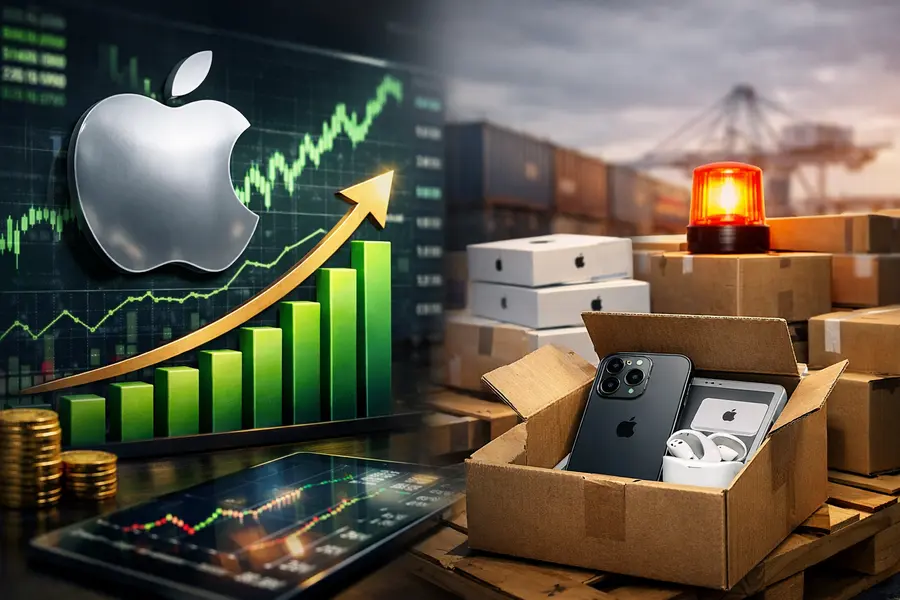
Apple beat fiscal Q3 estimates on strong iPhone and Mac sales, but Tim Cook's admission of a demand forecasting failure on the iPhone production line sent shares tumbling nearly 10%.
- Apple Q3 revenue hit $109.42B, up 16% YoY; EPS of $2.02 topped the $1.89 consensus estimate.
- Tim Cook blamed a self-inflicted "demand forecast issue" for Q4 supply bottlenecks constraining iPhone and Mac output.
- AAPL shares dropped roughly 6.65% after hours to $311.25, opening down nearly 10% on July 31.
Lead
Apple Inc. reported its strongest June quarter on record on July 30, 2026, posting revenue of $109.42 billion and net profit of $29.8 billion — up 27% year over year — yet the stock fell sharply as Chief Executive Tim Cook issued a candid warning: the company had failed to anticipate how robustly consumers would embrace its latest products, creating a supply shortfall that will constrain the iPhone production line and Mac shipments throughout the September quarter.
What Happened
Fiscal Q3 results cleared Wall Street's bar on nearly every headline metric. iPhone revenue surged 22%, Mac revenue jumped 29%, and earnings per share of $2.02 beat the consensus estimate of $1.89. The single soft spot was Services revenue of $30.7 billion, which fell short of expectations and added to investor unease.
The quarter that matters to the market now is Q4. Apple guided for revenue growth of 9% to 11% in the September period, beneath the 12% consensus, citing an inability to procure enough advanced semiconductors to meet stronger-than-anticipated demand. Cook put the problem plainly on the earnings call — his last as CEO before John Ternus assumes the role on September 1: "It's a demand forecast issue, to be candid, where the iPhone and the Mac are both doing remarkably better than we thought they would do."
The Supply Chain Crunch
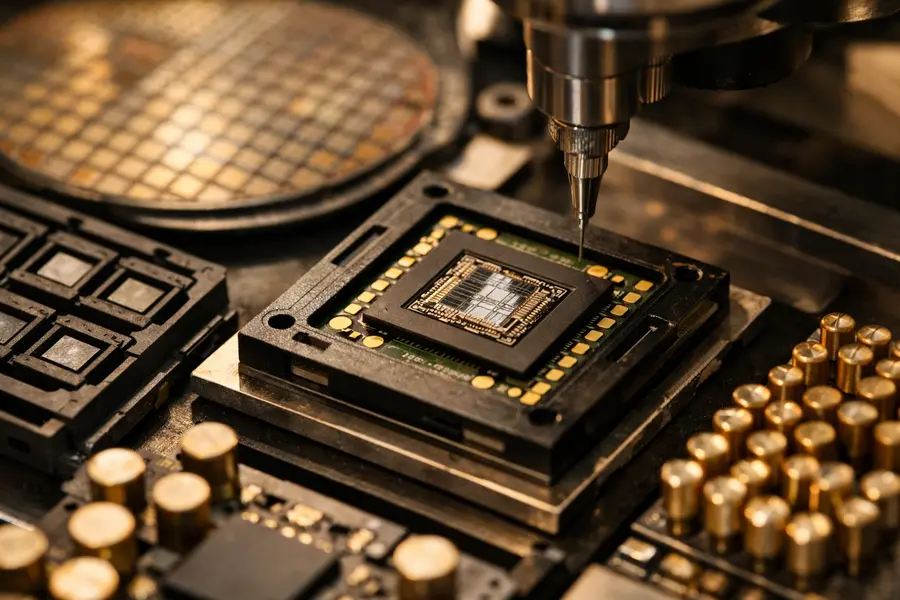
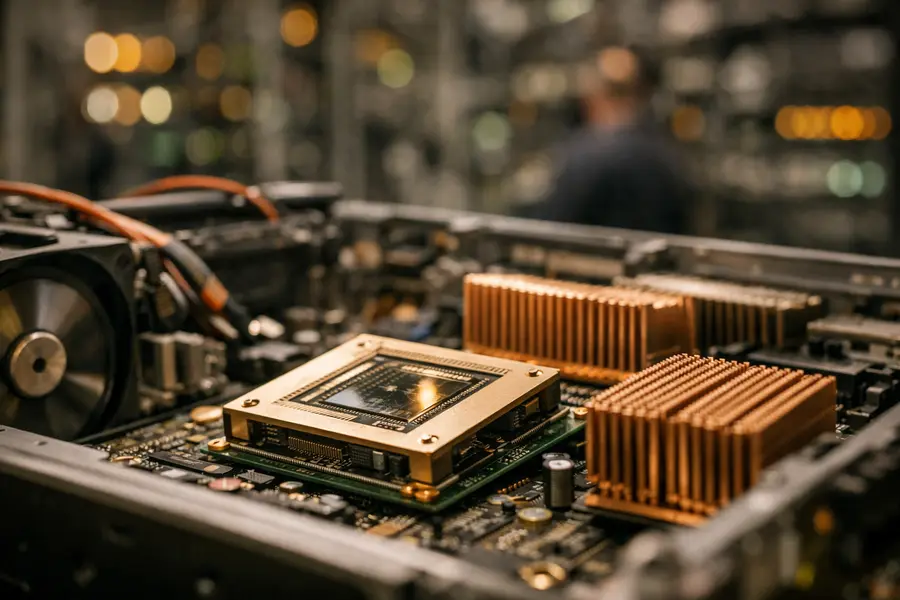
The structural bottleneck sits at the leading edge of the global semiconductor supply chain. Apple's A-Series system-on-chip processors are manufactured on TSMC's 3-nanometer process node — capacity that is sold out through at least 2027 as hyperscalers compete for advanced-node wafers to power artificial intelligence data centers. With limited flexibility to secure incremental wafer starts, Apple's iPhone production line cannot be ramped quickly enough to close the gap between actual demand and the forecasts the company used when placing orders months earlier.
A secondary pressure compounds the problem: AI infrastructure build-outs have absorbed roughly 70% of global DRAM production in 2026, driving what Cook called a "hundred-year flood" in memory chip pricing. Apple had cushioned the impact by drawing down stockpiled inventory, but Cook acknowledged that buffer is fading and the full weight of DRAM and NAND price inflation will press on gross margins in the September quarter.
"We've got a quarter where we're going to be scrambling on the supply side, essentially," Cook told analysts.
Market Reaction
AAPL shares closed the regular session on July 30 at $333.43. After the earnings call concluded, the stock fell approximately 6.65% in extended trading to around $311.25, and opened down nearly 10% on July 31. The sell-off reflected investor concern that a company of Apple's scale — one that manages one of the most sophisticated supply chains in the world — had misjudged demand across its two flagship product categories simultaneously, and that the resulting shortfall would suppress revenue growth for at least one full quarter.Strategic Context
The earnings call carried unusual weight as Cook's farewell performance after more than a decade leading Apple. He praised his successor, Ternus — Apple's longtime hardware engineering chief — saying the handover is "going seamlessly." Investors and analysts are now watching whether Ternus will recalibrate Apple's demand-forecasting and supply-reservation processes, particularly given the structural competition for TSMC advanced-node capacity that the AI investment cycle has introduced.
The Services shortfall, while secondary to the supply story, adds an additional variable. Services has long been positioned as Apple's highest-margin growth engine; any sustained deceleration would alter the market's long-run earnings model for the stock.
Outlook
Apple enters the September quarter scrambling to secure additional chipmaking capacity while absorbing elevated memory costs — a combination that will weigh on both revenue growth and gross margins. The company's record Q3 performance demonstrates underlying product demand remains robust, but the admitted failure to model that demand correctly is now the defining story of Cook's final chapter and an early test of confidence in the incoming leadership. Resolution of the TSMC capacity constraint is unlikely before 2027 at the earliest, making supply-side management a defining strategic priority for the Ternus era from day one.
Mentioned tickers: AAPL, TSM