Pomegra
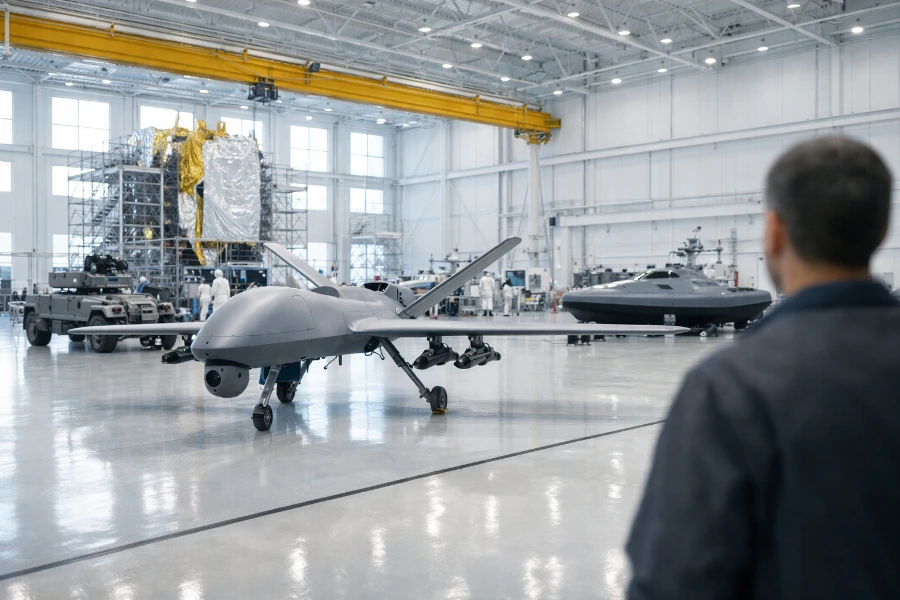
UFORCE, the London-headquartered, Ukraine-founded defence group, closed a $700M Series A at a $6B valuation, co-led by Valor Equity Partners and the UK National Wealth Fund.
Key Takeaways
- UFORCE raised $700M in Series A funding at a $6B valuation, announced November 12, 2026.
- Valor Equity Partners and the UK National Wealth Fund co-led; the fund contributed $150M.
- The valuation is roughly six times the ~$1B set in a $50M round in March 2026.
Lead
UFORCE, a defence-technology company founded in Ukraine and now headquartered in London, announced a $700M Series A at a $6B valuation on November 12, 2026. Valor Equity Partners and the UK's National Wealth Fund (NWF) co-led the round. The money will pay for research and development and for more production of the company's autonomous sea, air and ground systems, in Ukraine and in allied countries. The NWF's share of the round is $150M, its largest defence investment to date.
What Does UFORCE Build?
UFORCE builds uncrewed systems for maritime, aerial and ground combat, plus the command-and-control software that coordinates them. Its MAGURA family of uncrewed surface vessels has contributed to the destruction of more than 12 Russian warships, according to the company. The NEMESIS strike platforms have logged more than 300,000 combat flights across over 100 units.
The product line also includes LIUT ground robotic platforms and PREDATOR turrets for counter-drone defence. The company operates major hubs in Kyiv and Washington, DC. Oleg Rogynskyy is chief executive.
Who Else Invested in the Round?
The US-Ukraine Reconstruction Investment Fund (URIF) took part in the round. Other new backers include Menlo Ventures, Xantium and Hiro Capital. Existing investors Shield Capital, Ballistic Ventures, Lakestar and Squadra increased their stakes.
Retired General Christopher Cavoli, the former NATO Supreme Allied Commander Europe and now a partner at Valor Equity Partners, joins the UFORCE board. The appointment ties a battlefield-facing company to a senior Western military figure at a moment when it is courting allied procurement budgets.
Why Is the Valuation Six Times Higher Than in March?
The jump from about $1B to $6B in eight months rests on bookings and on combat record, not on a new product. The CEO told CNBC that bookings more than doubled year over year from a base of "several hundred million dollars." He called the valuation "not an aggressive valuation" against bookings and revenue, and said the company turned down higher offers. Revenue and headcount were not disclosed.
A sixfold step in under a year invites scrutiny. Defence-tech valuations have tracked order books and government contract expectations, and those can move quickly in either direction. UFORCE's backlog is concentrated in demand from Ukraine and its allies, and a ceasefire or a shift in European procurement budgets would alter the revenue assumptions behind a $6B price tag.
The company's production claims also come from the company itself. It says it has built ten times as many uncrewed surface vessels as typical competitors, a figure CNBC noted it could not verify.
Why Does the UK National Wealth Fund Matter Here?
The National Wealth Fund is a state-owned UK investor, and its role signals that London treats domestic defence manufacturing as an industrial-policy priority. A public finance institution co-leading a defence round alongside a US growth investor is unusual in the sector, where most capital has come from venture funds and strategic corporate investors.
The deal makes UFORCE the UK's most valuable defence startup. It also gives Britain a stake in a supply chain built on Ukrainian combat experience, which British officials have framed as bringing battle-tested technology and skilled jobs to the country.
Valor Equity Partners, the firm led by Antonio Gracias, supplies the American side. Its partner Cavoli's seat on the board adds a link to NATO command structures.
How Does UFORCE Compare With European Defence-Tech Rivals?
At $6B, UFORCE is valued at about a third of Helsing, the German defence AI company that has been the region's most highly valued private defence startup. The comparison matters because Helsing's valuation rested largely on software and long-cycle government programmes, while UFORCE's rests on hardware already fielded in combat.
The CEO argued that Ukrainian companies iterate faster than traditional defence primes and Western defence-tech startups. That claim reflects a real pattern: the war has forced short cycles between battlefield feedback and design changes. It remains to be seen whether that speed survives the move to factories in the US, Europe, Asia-Pacific and the Middle East, where certification, export controls and local content rules apply.
What Comes Next for UFORCE?
The near-term task is manufacturing. UFORCE plans to expand and distribute production capacity across several allied regions and to strengthen supply chains for Ukraine and partner nations. Standing up factories abroad will test whether a company that grew under wartime urgency can run multi-country industrial operations.
Three variables will shape the outcome: conversion of bookings into delivered systems, the pace of allied procurement spending, and the terms on which Ukrainian-designed technology can be produced overseas. A Series B or a public listing would follow only after the company shows margins on production at scale.
Outlook
UFORCE's $700M Series A, co-led by Valor Equity Partners and the UK National Wealth Fund, values the company at $6B, up from about $1B in March. The round funds a shift from Ukrainian wartime production to a distributed manufacturing base across allied countries. Bookings growth and combat usage support the price, while unverified production claims and dependence on government demand are the main open questions.