Pomegra
Torus, the Utah energy-storage maker, raised a $500M Series C led by Magnetar to build container-sized AI compute units that run on grid power already allocated to existing sites.
Key Takeaways
- Torus raised $500M in a Series C led by Magnetar; valuation and deal terms were not disclosed.
- Total reported financing reaches $767M since the company's 2021 founding.
- The new Foundry product targets 47,000+ GPUs deployed by the end of 2027.
Lead
Torus, a Salt Lake City manufacturer of energy-storage and power-management systems, announced a $500 million Series C on November 11, 2026. Magnetar Capital Partners led the round. ICONIQ, Origin Ventures, Ridgeline Partners and Trinity Capital also participated. The company did not disclose its valuation or the equity stake the investors received.
The money funds the launch of Foundry, a prefabricated AI compute product that moves Torus from selling batteries into selling data center capacity. The company says it plans to have more than 47,000 GPUs running in Foundry units by the end of 2027.
What Is Foundry and How Does It Work?
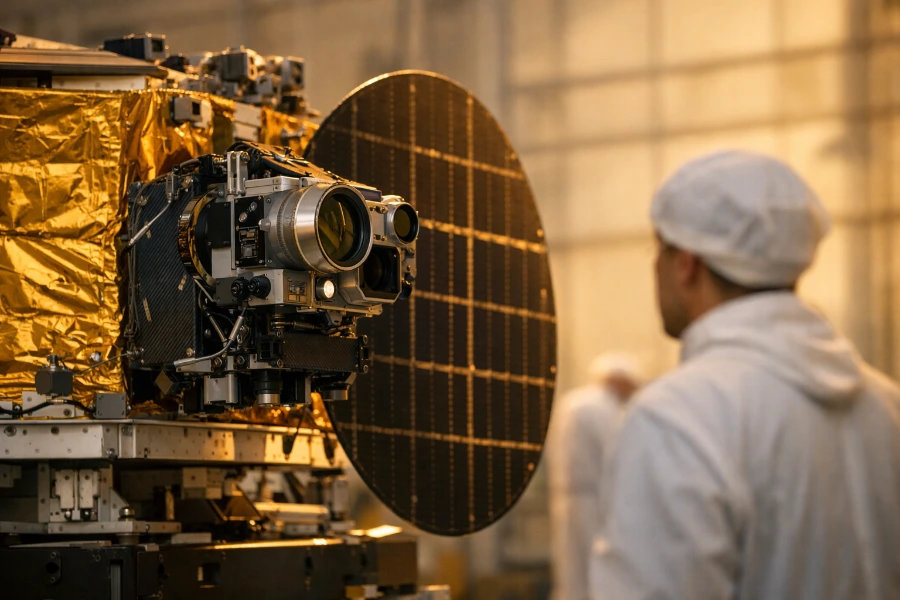
Foundry is a shipping-container-sized unit that combines power, storage, cooling, networking and compute. Each site can host 1 to 20 megawatts. Torus builds the units at its 545,000-square-foot GigaOne factory in western Salt Lake City and says the path from signed contract to operation takes 12 to 16 weeks.
The pitch is placement. Instead of requesting a new grid connection, Foundry sits behind the meter at sites where a utility has already allocated capacity, and the on-site storage smooths demand. CEO Nate Walkingshaw summed it up this way: "Most providers are bringing power to the chips. Foundry brings the chips to power." The cooling system is closed-loop and uses no water.
Torus sells Foundry in three configurations. "Strategic" is the enclosure alone, "Partner" is a turnkey build with GPUs, and "Direct" is dedicated capacity operated by Torus.
Who Is Buying and How Big Is the Factory?
Torus launched Foundry with two customers: Hydra Host, a bare-metal GPU cloud provider, and one unnamed AI cloud provider. Thousands of GPUs are already operating, a long way short of the 47,000 target. Two customers, one of them unnamed, is a thin base for a round of this size.
GigaOne opened its first production line in early 2026. Current capacity is 500 megawatts of IT load a year, with a stated plan to expand to 1 gigawatt. The company employs nearly 400 people.
What Does This Round Say About the Last One?
The round shows Torus has shifted from a storage vendor to an AI infrastructure vendor, and investors are funding the shift. Magnetar put $200 million into Torus in September 2025 for modular battery systems. The new $500 million is 2.5 times that check, from the same lead, and it arrives with a different product attached.
Torus raised its first reported institutional money, $67 million led by Origin Ventures, in April 2024. Adding the 2025 and 2026 rounds brings reported financing to $767 million. Capital intensity is the underlying issue. A factory, a hardware inventory and GPU-heavy deployments all demand cash before revenue arrives, and the undisclosed valuation leaves outsiders unable to judge what price Magnetar paid for the change in strategy.
Why Is Inference the Target?
Foundry is aimed at AI inference, the workload of serving trained models to users, which is spread across many sites rather than concentrated in a single campus. Torus cites a McKinsey estimate of 35% annual demand growth for such compute through 2030. Inference suits 1 to 20 megawatt sites better than frontier training does, which typically needs far larger, tightly clustered clusters.
That fit also defines the limits. Torus competes with established modular data center builders and with cloud providers expanding their own footprints. Its edge is speed and the use of existing grid allocations, which matters while interconnection queues for new data centers stretch for years in many US markets.
What Comes Next for Torus?
The next milestones are factory output and GPU deployments. Torus must turn thousands of operating GPUs into 47,000 in roughly 13 months, and it must do so while doubling GigaOne's stated capacity toward 1 gigawatt. Any slip in GPU supply, utility approvals or customer onboarding would push revenue back while the factory costs continue.
Torus also keeps its earlier lines, including Reserve for storage and power management and Protect for networking and cybersecurity, which gives it revenue outside the GPU market. Whether Foundry becomes the main business or a side product will become clear as customer announcements follow.
Outlook
Torus has $767 million in reported financing, a new compute product, a factory with a 500 megawatt capacity and two named-or-unnamed launch customers. The bet rests on inference demand continuing to grow and on utilities' spare allocations being easier to use than new grid connections. Evidence of that will come from the 2027 GPU count and from whether more customers sign on beyond the first two.